






Some research has indicated that salt might alter the autoimmune response, which is implicated in the development of multiple sclerosis (MS), but it is not clear if it has any direct effect on the course of the disease itself.

FK506 possesses a well-studied neuroregenerative effect, stimulating neurite extension in the presence of nerve growth factor in vitro, and enhancing nerve regeneration following nerve crush injury and isografting.

The use of FK506 to stimulate nerve regeneration is limited because of the risk of renal failure and hypertension, and its considerable cost. 

With long-term allografts, FK506 alone or combined with other drugs reportedly cause life-threatening infections. Like FK506, rapamycin is an immunosuppressant and FKBP-12-binding ligand, and has a neuroregenerative effect in vitro.

In almost 20 years, China's Research  &  Development (R&D) expenditure as a percentage of its gross domestic product has more than tripled, reaching 1.98 percent in 2012. 

That is a big improvement, it surpasses all 28 countries that make up the European Union, which collectively managed 1.96 percent. But where is the money going? 

It is a word we hear from time to time, but few of us know what it means.

Utilitarianism is the method most people use to decide whether an action is right or wrong. We decide the moral merits of what we do on whether the consequences of that action are good or bad. But utilitarianism has recently been in the firing line of the press and radio and by some moral philosophers.


We come in peace. redgum, CC BY-NC-SA

By Seth Shostak, SETI Institute

A middle aged, male, investment banker arrives at the emergency department with complaints of nausea, vomiting, anxiety and tremor. At business lunches and then at home every evening, he was drinking too much so, worried about his health, he decided to quit drinking and had his last Scotch 24 hours before coming to the emergency room.

It's a common scenario in emergency rooms - a patient suddenly stops regular, excessive alcohol consumption and develops withdrawal symptoms.

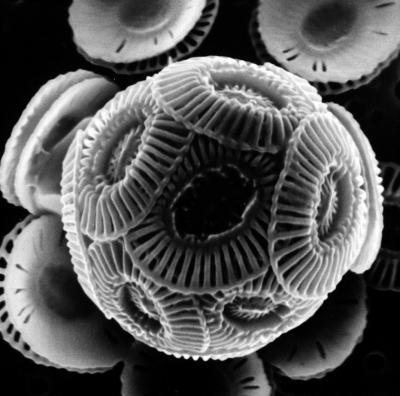
Some species of marine phytoplankton, such as the prolific bloomer Emiliania huxleyi, can grow without consuming vitamin B1 (thiamine), which contradicts the common view that E. huxleyi and many other eukaryotic microbes depend on scarce supplies of thiamine in the ocean to survive.

All living creatures need thiamine to live, as well as other vitamins. Organisms may produce some of their own vitamins, the way that human cells create vitamin D with help from sunlight, but sometimes they rely on other organisms to produce the vitamins they need and then consume them. For example, oranges and other fruits produce vitamin C, which humans need in their diets.

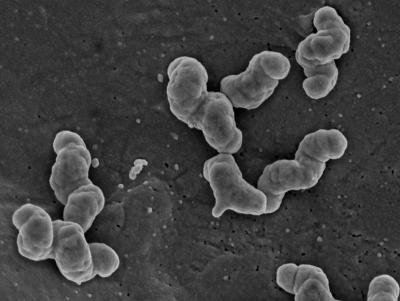
Nitrite-oxidizing bacteria are key players in the natural nitrogen cycle on Earth and in biological wastewater treatment plants but scientists have learned something new about how they are powered. 

For decades, these specialist bacteria were thought to depend on nitrite as their source of energy researchers have now shown that nitrite-oxidizing bacteria can use hydrogen as an alternative source of energy. The oxidation of hydrogen with oxygen enables their growth independent of nitrite and a lifestyle outside the nitrogen cycle. 

The exchange of chemical signals between organisms is considered the oldest form of communication.

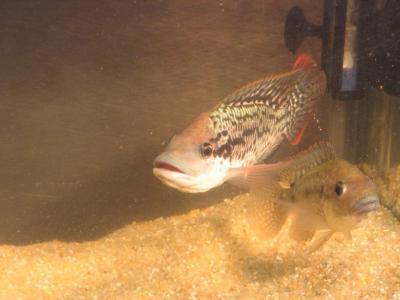
Acting as messenger molecules, pheromones regulate social interactions between conspecifics, for example, the sexual attraction between males and females. Fish rely on pheromones to trigger social responses and to coordinate reproductive behavior in males and females.

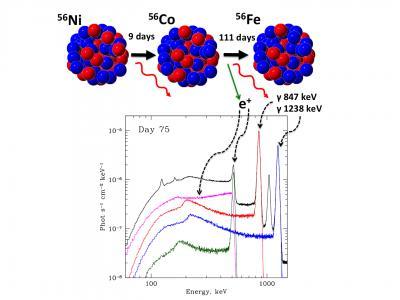
Astrophysicists have detected the formation of radioactive cobalt during a supernova explosion, lending credence to a corresponding theory of supernova explosions. 

The article's main author, Yevgeny Churazov (Space Research Institute of the Russian Academy of Sciences), and  co-authors, including Sergei Sazonov of the Space Research Institute and MIPT, reported the results of their analysis of data collected with the INTEGRAL gamma-ray orbital telescope, which they used to detect the radioactive isotope cobalt-56(56Co).

