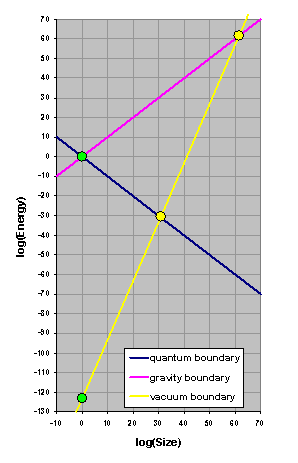


What is the size of the universe? How heavy is it? How big can black holes grow? How small are subatomic particles? How many orders of magnitude will I cross when going from the microscopic quantum world to the edge of the universe? Are we humans somewhere in the middle between all these length scales?
Does it cost money to be green, or can a company make greater profits by being green? Even a decade ago, most companies thought environmental sensitivity was too expensive an option, that it would render them uncompetitive in a harsh marketplace. Today, most thoughtful CEOs understand that environmentally sustainable products and practices are keys to greater profits.[1]
An opinion piece in the Boston Herald criticizes the squid dissection component of an overnight family education event at the New England Aquarium:
The barbaric highlight of the night was when the children were instructed to use the squid’s pseudo-spine to puncture its ink sac and then write their names on the carcass. [My son] Ari rolled his eyes at this vanity ritual in disbelief, calling it “mean” and “crazy.” I’ll go one step further and brand it “borderline satanic.”
Yes, what's up! Here we go. Climate change and ozone depletion affect one another in complicated ways. In simple terms, "the ozone hole" pertains to the Southern Hemisphere. However, reductions in ozone content in the stratosphere above the Arctic have been recorded during the northern winter untill early spring (January through March) in recent  years. These reductions, about 20-25%, are much smaller than those measured in each southern spring (September through December) over the Antarctic ozone hole, the big one.
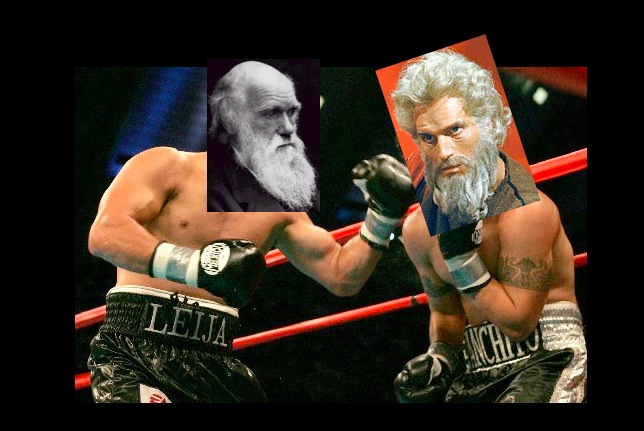
In honor of the 150th anniversary of the publication of the Origin of Species, The Star has decided to trash Darwin.

No, they're not going creationist on us, but Stephen Marche argues that Genesis beats the Origin hands down as literature:
If you're reading this, your blood pressure is likely already that of a kid's pump rocket (blasts 30 feet in the air!!!). Never fear. You will survive Turkey Day. Gobble-fricking-gobble. Now to the list.

1. Turkey: Buy a cook-in-the-bag turkey breast roast. Turn on the oven. Throw it in. If your guests or house pets don’t see you carve it, they will never know your dinner never gobbled (or, more precisely, that it is the unholy conglomeration of many separate gobblers).

2. Mashed Potatoes: Buy instant. Just add boiling water and enough butter and cream cheese to mask the slightly musty taste.

3. Gravy: In the can.

4. Cranberry Sauce: In the can. Be sure to actually place in dish and mash until the dog-food-esque shape is unrecognizable.
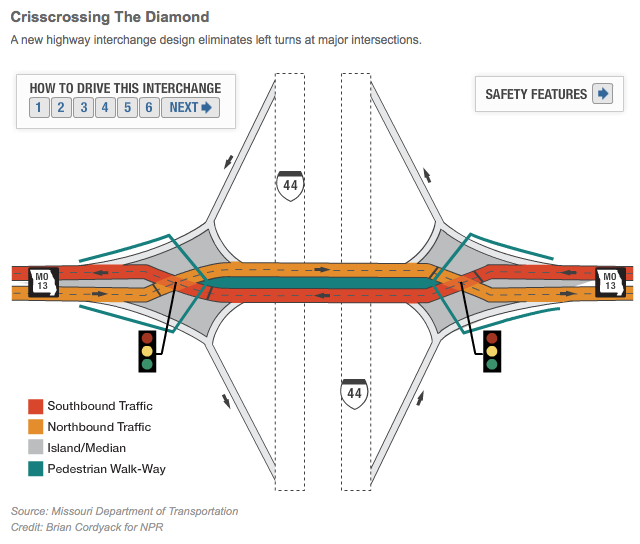
Missouri can proudly claim it is first in the nation - first to test a new "diverging diamond" interchange that improves traffic flow by eliminating problematic left turns. Sound boring? I admit, the story didn't jump out at me at first. But the myriad diagrams with tiny cars moving across the screen got me hooked, and now I hope that the experiment, if successful, spreads across the country. Even Popular Science reported on the action.
This is the second part of a two-part collection of tips for particle physics graduate students. The first part is here.

Three: be a fool today if you want to be a guru tomorrow


The third advice I have in store for Jane is maybe the toughest to follow, at least at first. But I do believe it is of critical importance for her to grow, become knowledgeable, and distinguish herself from the rest of the pack.
The Wall Street Journal published a list of 20 medical advances for which we should be thankful. WSJ says that amid all the bad news about medicine in the media - H1N1, failed miracle drugs, etc, contentious health-care reform issues - it's easy to overlook how much progress has been made in recent years.

Without further ado:


