


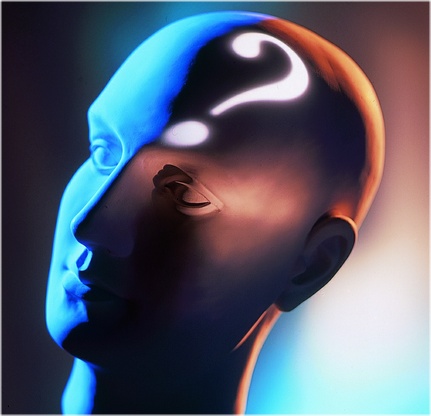
All of us have experienced being in a new place and feeling certain that we have been there before. This mysterious feeling, commonly known as déjà vu, occurs when we feel that a new situation is familiar, even if there is evidence that the situation could not have occurred previously. For a long time, this eerie sensation has been attributed to everything from paranormal disturbances to neurological disorders. However, in recent years, as more scientists began studying this phenomenon, a number of theories about déjà vu have emerged, suggesting that it is not merely a glitch in our brain’s memory system. A new report by Colorado State University psychologist Anne M.
"Practice makes perfect" and "timing is everything" are cliches are for a reason; they are mostly correct.   According to the findings published in this month's issue of Psychological Science, proper spacing of lessons  can dramatically enhance learning and larger gaps between study sessions result in better recall of facts.

Conversely: Cramming – whether it's math for a midterm or a foreign language in anticipation of a trip abroad – is not effective in the long haul.   Hal Pashler and John Wixted, professors of psychology at UC San Diego who led the study, say this can change how we think about education.

Need excellent boots?  W. L. Gore&Associates is the way to go.   Guitar strings?   Yep, they make those too.   Medical devices, electronics and now researchers at Rush University Medical Center are even using a small, soft-patch device made of a Gore-tex-type material to close a common hole found in the heart called a patent foramen ovale (PFO) in order to prevent recurrent strokes and transient ischemic attacks (TIAs) in adults. 

The randomized, multinational clinical research trial may determine if repairing a PFO using this device, also known as the GORE HELEX Septal Occluder, is more effective in preventing strokes than medical management alone. The U.S. Food and Drug Administration (FDA) recently granted approval to use the device for PFO closures.

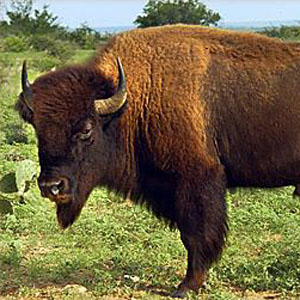
The American bison(buffalo) is in trouble, says a survey by the Wildlife Conservation Society, though there are many more of them now than there were a hundred years ago, and we love them - as a symbol of the old West and occasionally to eat, so something should be done to make sure we get more of them home on the range.


These sentiments were found in a public survey released today by the Wildlife Conservation Society (WCS) at a national conference on restoring bison populations in the North America.

The survey is part of an effort spearheaded by the American Bison Society to lobby government agencies, conservation groups, ranchers, and others to do all they can to restore the bison's ecological role as an important species to North America.

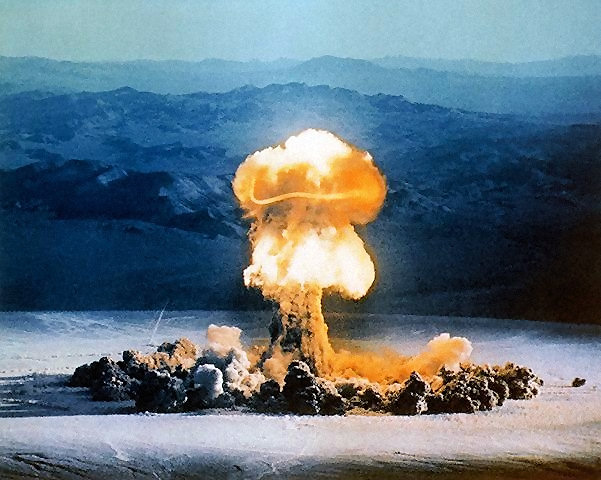
When Ohio State glaciologists failed to find the expected radioactive signals in the latest core they drilled from a Himalayan ice field, they knew it meant trouble for their research.   Those missing markers of radiation, remnants from atomic bomb tests a half-century ago, could mean a much greater threat to the half-billion or more people living downstream of that vast mountain range.

It may mean that future water supplies could fall far short of what's needed to keep that population alive.
People are different, both physically and mentally, but genetically everyone is very similar, scientists have said for decades. But with population research becoming more and more common, the University of Alberta's Tim Caulfield is concerned that genetic research could awaken racist attitudes.

Just last year Nobel Prize winning geneticist James Watson claimed there are genes responsible for creating differences in human intelligence. These comments made international headlines, Watson was vilified and he later apologized.

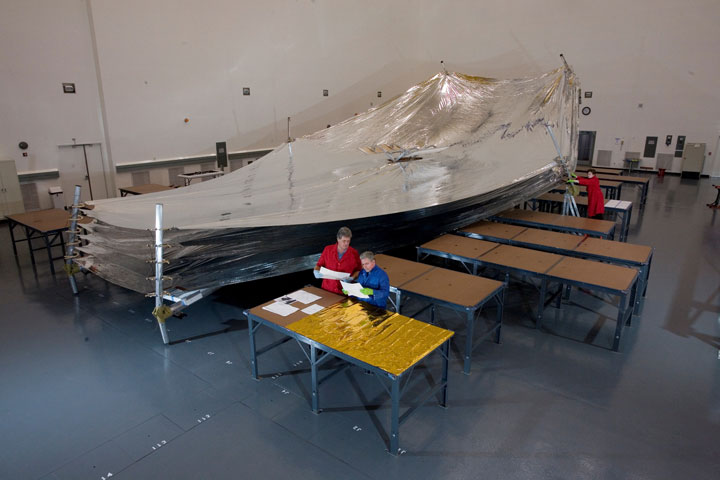
If every beachgoer could have one, we'd never need sunscreen again. The new sunshield for NASA's James Webb Space Telescope, designed by Northrop Grummann  in Redondo Beach, California, is capable of rejecting nearly all of the approximately 250,000 watts of energy the spacecraft will be receiving from the Sun while in orbit - the equivalent to applying sunscreen with an SPF of 1.2 million.
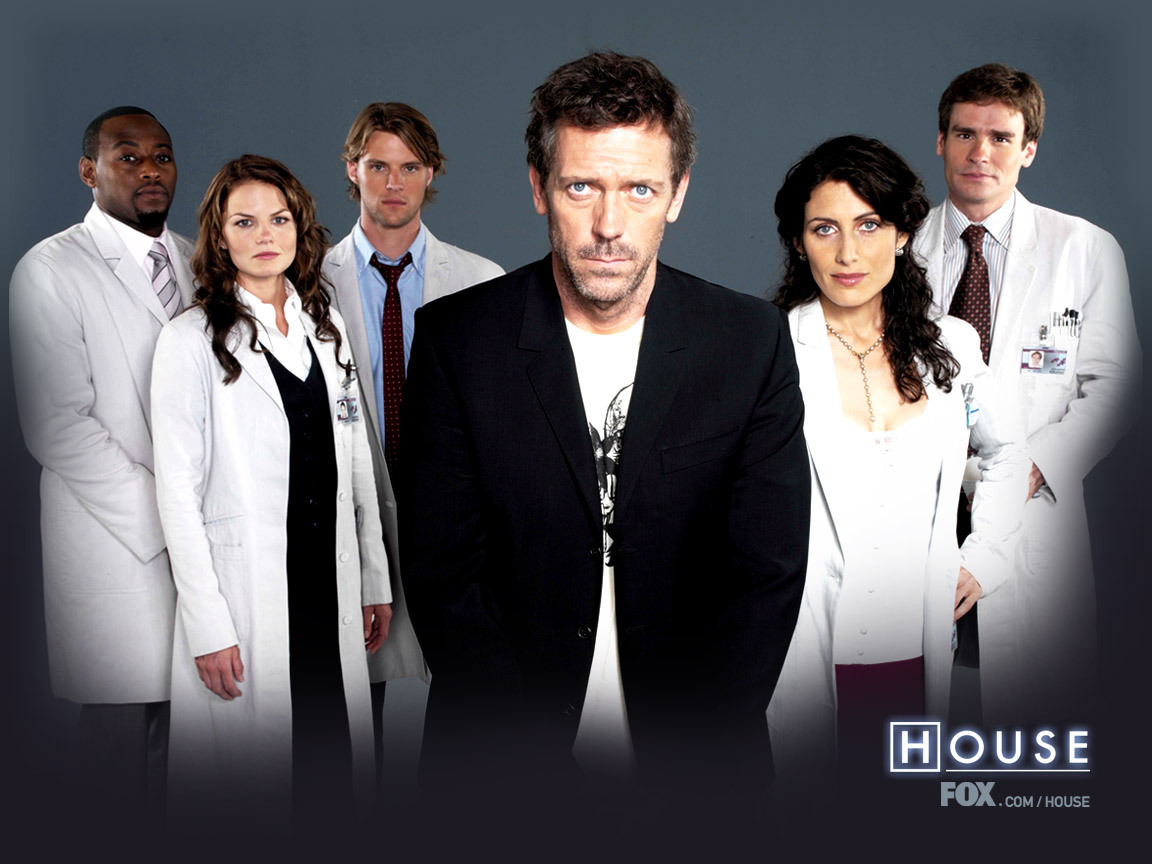
If you are like me, then you are excited for Tuesdays because you look forward to watching House every week. If you shout your own diagnosis at the TV screen and marvel in awe when they finally figure out the ailment (and more so because you have an idea what it means) then you will appreciate this higher level of House fandom.

My friends and I call it The House Drinking Game.  You see, as creative and different as House is, there are some things you can predict about it.   And if you can predict it, you can make a game of it.
In Aleksandr Solzhenitsyn’s novel, The First Circle, originally written in the 1950s, Soviet diplomat Innokenty Volodin makes an ill-advised phone call outside a Metro station.
What is the latest recipe for anti-matter?  Take a gold sample the size of the head of a push pin, shoot a laser through it, and suddenly more than 100 billion particles of anti-matter appear.  The anti-matter, also known as positrons, shoots out of the target in a cone-shaped plasma "jet."

This new ability to create a large number of positrons in a small laboratory opens the door to several fresh avenues of anti-matter research, including an understanding of the physics underlying various astrophysical phenomena such as black holes and gamma ray bursts.  Anti-matter research also could reveal why more matter than anti-matter survived the Big Bang at the start of the universe.

