









Biochemists at the national meeting of the American Chemical Society have described how proteins in alligator blood may provide a source of powerful new antibiotics to help fight infections associated with diabetic ulcers, severe burns, and “superbugs” that are resistant to conventional medication.

Previous studies by Merchant showed that alligators have an unusually strong immune system that is very different from that of humans. Unlike people, alligators can fight microorganisms such as fungi, viruses, and bacteria without having prior exposure to them. Scientists believe that this is an evolutionary adaptation to promote quick wound healing, as alligators are often injured during fierce territorial battles.

Their study found a range of other promising uses for the gator’s antibiotic proteins, including combating Candida albicans yeast infections, which are a serious problem in AIDS patients and transplant recipients, who have weakened immune systems, the scientists say.

Taking daily recommended dosages of ibuprofen and acetaminophen caused a substantially greater increase over placebo in the amount of quadriceps muscle mass and muscle strength gained during three months of regular weight lifting, in a study by physiologists at the Human Performance Laboratory, Ball State University.

Dr. Chad Carroll, a postdoctoral fellow working with Dr. Todd Trappe, reported study results at Experimental Biology 2008 in San Diego on April 6. His presentation was part of the scientific program of the American Physiological Society (APS).

Thirty-six men and women, between 60 and 78 years of age (average age 65), were randomly assigned to daily dosages of either ibuprofen (such as that in Advil), acetaminophen (such as that in Tylenol), or a placebo. The dosages were identical to those recommended by the manufacturers and were selected to most closely mimic what chronic users of these medicines were likely to be taking. Neither the volunteers nor the scientists knew who was receiving which treatment until the end of the study.

There is a widely held belief that maintaining a normal weight automatically guards against disorders such as high levels of circulating blood fats and a tendency to develop type 2 diabetes. More than half of American adults considered to have normal body weight have high body fat percentages -- greater than 20 percent for men and 30 percent for women -- as well as heart and metabolic disturbances, new Mayo Clinic research shows.

The researchers defined “normal weight” by body mass index (BMI). They found that people with normal BMI who had the highest percentage of body fat were also those who had metabolic disturbances linked to heart disease.

The researchers use the phrase “normal weight obesity” to describe this new type of patient at risk for metabolism problems and risk factors for heart disease, but who rates as “normal” on standard weight charts. They defined normal weight obesity as a condition of having a normal BMI with high body fat percentage.

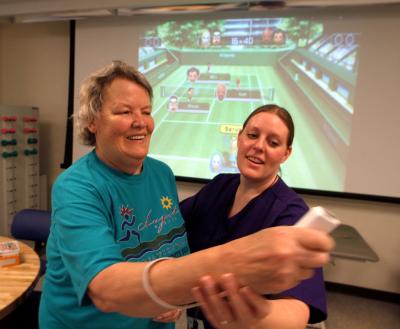
Parkinson’s disease affects daily tasks that people take for granted. Brushing teeth, getting out of bed and walking become a problem for these patients because of dopamine depletion, which results in stiffness or slowing of movement and fine motor dysfunction.

While occupational therapy is frequently used in the comprehensive care of Parkinson’s patients, evidence is needed to support its short- or long-term effectiveness, says says Dr.

Who knew you could cure disease by getting down in the mud?

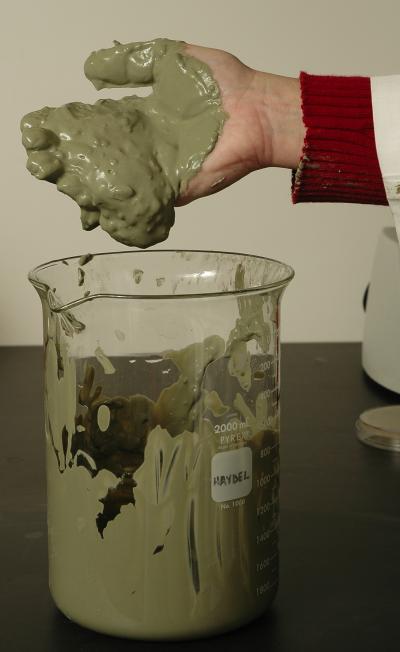
Scientists in Arizona report that minerals from clay could form the basis of a new generation of inexpensive, highly-effective antimicrobials for fighting MRSA infections that are moving out of health care settings and into the community. These “superbugs” are increasingly resistant to multiple antibiotics and cause thousands of deaths each year.

Unlike conventional antibiotics that are often administered by injection or pills, the so-called “healing clays” could be used as rub-on creams or ointments to keep MRSA infections from spreading, the researchers say. The clays also show promise against a wide range of other harmful bacteria, including those that cause skin infections and food poisoning, the scientists add. Their study, one of the first to explore the antimicrobial activity of natural clays in detail, was presented today at the 235th national meeting of the American Chemical Society.

People affected by Huntington’s disease, which affects up to one person in every 10,000 but clusters in families and certain populations, develop clusters of a defective protein in their neurons and shrinkage of brain areas associated with movement. The disorder causes disability and eventually death, but does not normally manifest until after people have had children, allowing the disease gene to be passed on.

“Although Huntington’s disease is considered the epitome of genetic determinism, environmental factors are increasingly recognised to influence the disease progress”, the researchers write.

Current strategies for jaw reconstruction require multiple procedures, first to repair the bone defect to offer sufficient support, and then to place the tooth implant.

The entire procedure can be painful and time-consuming, and the desired esthetic and functional repair can be achieved only when both steps are successful. Although the patient’s quality of life can be improved significantly, the prognosis is often unpredictable, especially in young patients, whose jaws continue to grow, while the implant remains fixed.

The ability to bioengineer combined tooth and bone constructs, which would grow in a coordinated fashion with the surrounding tissues, could potentially improve the clinical outcomes, and also reduce patient suffering.

Our biological rhythm controls many metabolic functions and is based on the circadian rhythm, which is a roughly 24-hour cycle that is important in determining sleeping and feeding patterns, cell regeneration, and other biological processes in mammals.

A newly discovered rhythm discovered by NYU dental professor Dr. Timothy Bromage also originates in the hypothalamus, a region of the brain that functions as the main control center for the autonomic nervous system. Unlike the circadian rhythm, this clock varies from one organism to another, operating on shorter time intervals for small mammals, and longer ones for larger animals. For example, rats have a one-day interval, chimpanzees six, and humans eight.

Bromage discovered the rhythm while observing incremental growth lines in tooth enamel, which appear much like the annual rings on a tree. He also observed a related pattern of incremental growth in skeletal bone tissue – the first time such an incremental rhythm has ever been observed in bone.

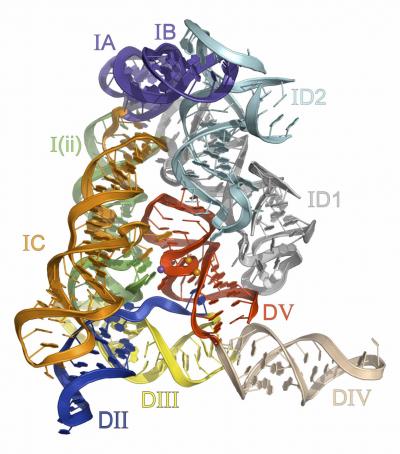
Recent research at Yale provided a glimpse of the ancient mechanism that helped diversify our genomes; it illuminated a relationship between gene processing in humans and the most primitive organisms by creating the first crystal structure of a crucial self-splicing region of RNA.

Genes of higher organisms code for production of proteins through intermediary RNA molecules. But, after transcription from the DNA, these RNAs must be cut into pieces and patched together before they are ready for translation into protein. Stretches of the RNA sequence that code for protein are kept, and the intervening sequences, or introns, are spliced out of the transcript.

Having a husband creates an extra seven hours a week of housework for women, according to a University of Michigan study of a nationally representative sample of U.S. families.

For men, the picture is very different: A wife saves men from about an hour of housework a week.

The findings are part of a detailed study of housework trends, based on 2005 time-diary data from the federally-funded Panel Study of Income Dynamics, conducted since 1968 at the U-M Institute for Social Research (ISR).


