Alzheimer's disease may affect as many as 5.5 million Americans and treatment costs are high with inconsistent benefits so one goal of science it to help stave off the disease or prevent it completely. 

A research paper has correlated a compound found in green tea and exercise with slowing the progression of the disease in mice. More speculative is that it may reverse its effects. 

When the chemotherapy drugs like cisplatin or oxaliplatin hit cancer cells, they damage DNA so that the cells can't replicate but those cells have ways to repair the DNA and so the cancer drugs aren't as effective as they could be.

When DNA is damaged, cells use many enzymes to cut the strand of DNA and excise the damaged fragment. Then, other enzymes repair the original DNA so that the cells can function properly. Previously, Sancar's lab used purified enzymes to discover how this process happens in DNA damaged by UV irradiation and by chemotherapeutic drugs such as cisplatin and oxaliplatin.

New research has brought us closer to understanding the health benefits of coffee.

Monash researchers, in collaboration with Italian coffee roasting company Illycaffè, have conducted the most comprehensive study to date on how free radicals and antioxidants behave during every stage of the coffee brewing process, from intact bean to coffee brew.

A new epidemiology paper correlates a 5 percent increase of a person's total energy intake provided by sweet drinks each day with an 18 percent greater risk of developing type 2 diabetes may increase by 18%.

The authors estimate that replacing the daily consumption of one serving of a sugary drink with either water or unsweetened tea or coffee can lower the risk of developing diabetes by between 14% and 25%.

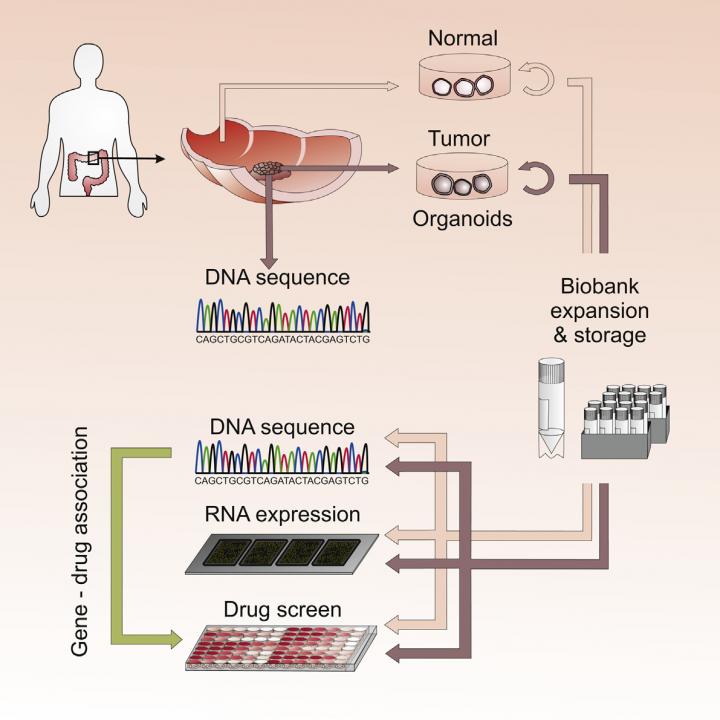
"Organoids", a futuristic-sounding term for three-dimensional cultures derived from tumors of cancer patients, closely replicate key properties of the original tumors - so close that these "organoid" cultures could be used for large-scale drug screens for the detection of genetic changes associated with drug sensitivity and pave the way for personalized treatment approaches. 

Since the Great Recession ended in 2009, the recovery in jobs has lagged behind that of Corporate America.

Corporate profits and business purchases of equipment and software returned to or near records within a year, yet unemployment remained stubbornly high – even though hiring usually tracks spending.

Even today, with joblessness at 5.7%, the labor force participation rate has declined to 63% from 67% before the recession, signaling many adults have simply quit looking for work. And in many parts of the US, unemployment remains elevated.

I was recently asked to give a talk in Toronto addressing this question: “Does science belong on my plate?” The quick answer is:

“No, because Science isn’t a “thing” you can serve or eat. Science is really a verb - a process, a method, a conversation.”

A longer, better answer is:

“There is a rich history of innovation and change in the human food supply extending over millennia. More recent innovation examples that have been achieved using sound science are a continuation of that tradition. They certainly belong on our plates.”

Urinary tract infections are common and wide-spread antibiotic resistance has led to calls for new ways to combat these infections. A recent paper details  an experimental drug that stabilizes the human immune defense protein HIF-1α can protect human bladder cells and mice against a major UTI pathogen, and it might provide a therapeutic alternative or complement to antibiotic treatment.

Health interventions to increase exercise in older people are making senior citizens a giant class in a way we don't do with other demographics - in the modern world there is a big difference between someone 65 and someone 80, it is not simply 15 years, but advertising treats everyone with gray hair the same, yet don't do it with Generation X and Millennials.

A research team writes in Cell Metabolism that they have uncovered a clue to how bacteria may promote some colon cancers.

The work used metabolomic technologies to find molecular evidence suggesting a vicious circle in which cancerous changes in colon cells promote the growth of bacterial conglomerations called biofilms, and biofilms in turn promote cancer development. 

On the whole, the findings suggest that removing bacterial biofilms could be a key strategy for preventing and treating colon cancers, which currently kill about 50,000 Americans per year. The study also revealed an apparent metabolic marker of biofilm-associated colon cancers.