

Dispersal and adaptation are two fundamental evolutionary strategies available to species given an environment. Generalists, like dandelions, send their offspring far and wide. Specialists, like alpine flowers, adapt to the conditions of a particular place.

Ecologists have typically modeled these two strategies, and the selective pressures that trigger them, by holding one strategy fixed and watching how the other evolves. New research published in the journal Evolution illustrates the dramatic interplay during the co-evolution of dispersal and adaptation strategies.

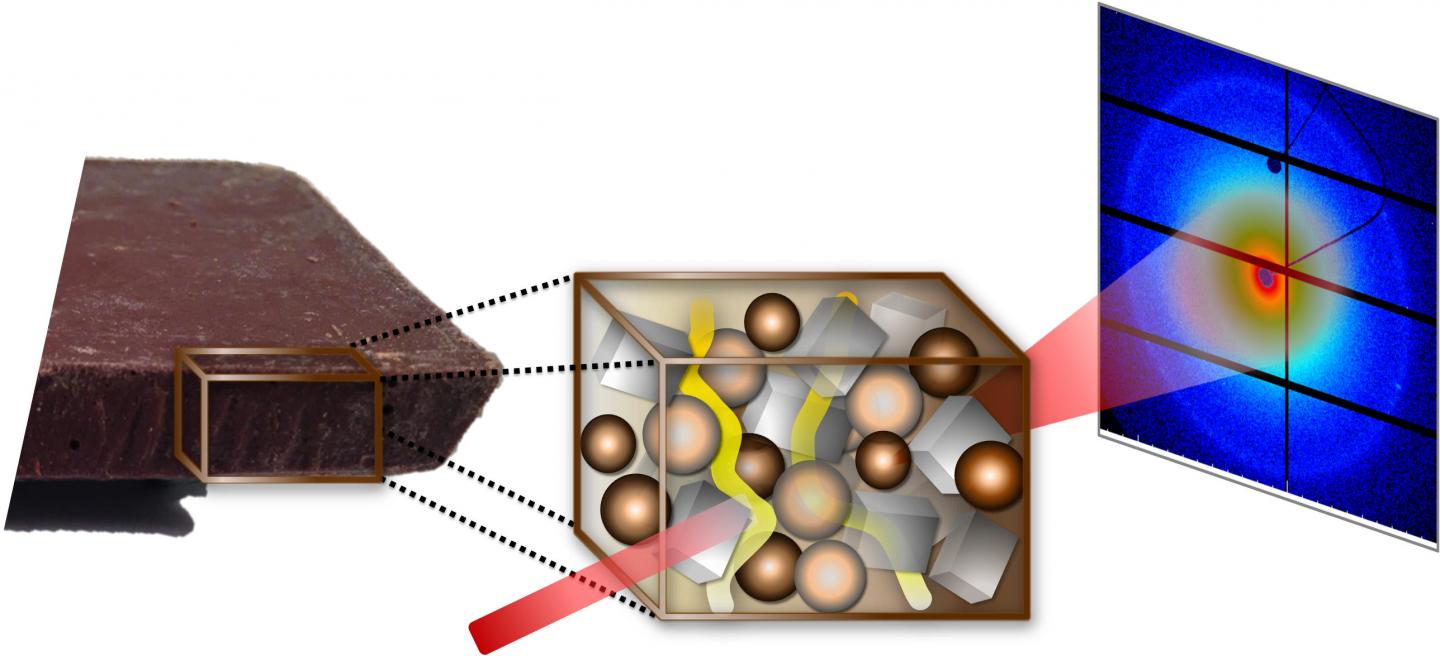
We have all seen "fat bloom", that unwelcome white layer that occasionally forms on chocolate. It is harmless but Europe once banned ugly fruit so cosmetics are clearly important to them and for that reason Nestlé and the Hamburg University of Technology got the DESY synchrotron's high brilliance X-ray source PETRA III on the case.

By Sara Rennekamp, Inside Science  -- News broke this week that the company behind the popular Kind line of snack bars received a warning letter from the Food and Drug Administration.

Their offense? Not labeling the bars according to FDA rules -- primarily due to slapping a "healthy" label on a product that did not meet the FDA standards for healthy.

“It might take a little bit of force to break this up,” says mortician Holly Williams, lifting John’s arm and gently bending it at the fingers, elbow and wrist. “Usually, the fresher a body is, the easier it is for me to work on.”

Williams speaks softly and has a happy-go-lucky demeanor that belies the nature of her work. Raised and now employed at a family-run funeral home in north Texas, she has seen and handled dead bodies on an almost daily basis since childhood. Now 28 years old, she estimates that she has worked on something like 1,000 bodies.

Her work involves collecting recently deceased bodies from the Dallas–Fort Worth area and preparing them for their funeral.

Two women recently had their research paper rejected by a science journal based on an incredibly sexist review of their work – an event that has caused outrage on social media.

While the journal, PLOS ONE, has apologized and given the authors a second chance, not everyone is as lucky.

The case provides an opportunity for journals to adopt an open peer-review system – a process in which scientists evaluate the quality of other scientists' work – so that reviewers cannot hide behind anonymity. But it also shows it is time to get tough on the widespread biases in universities.

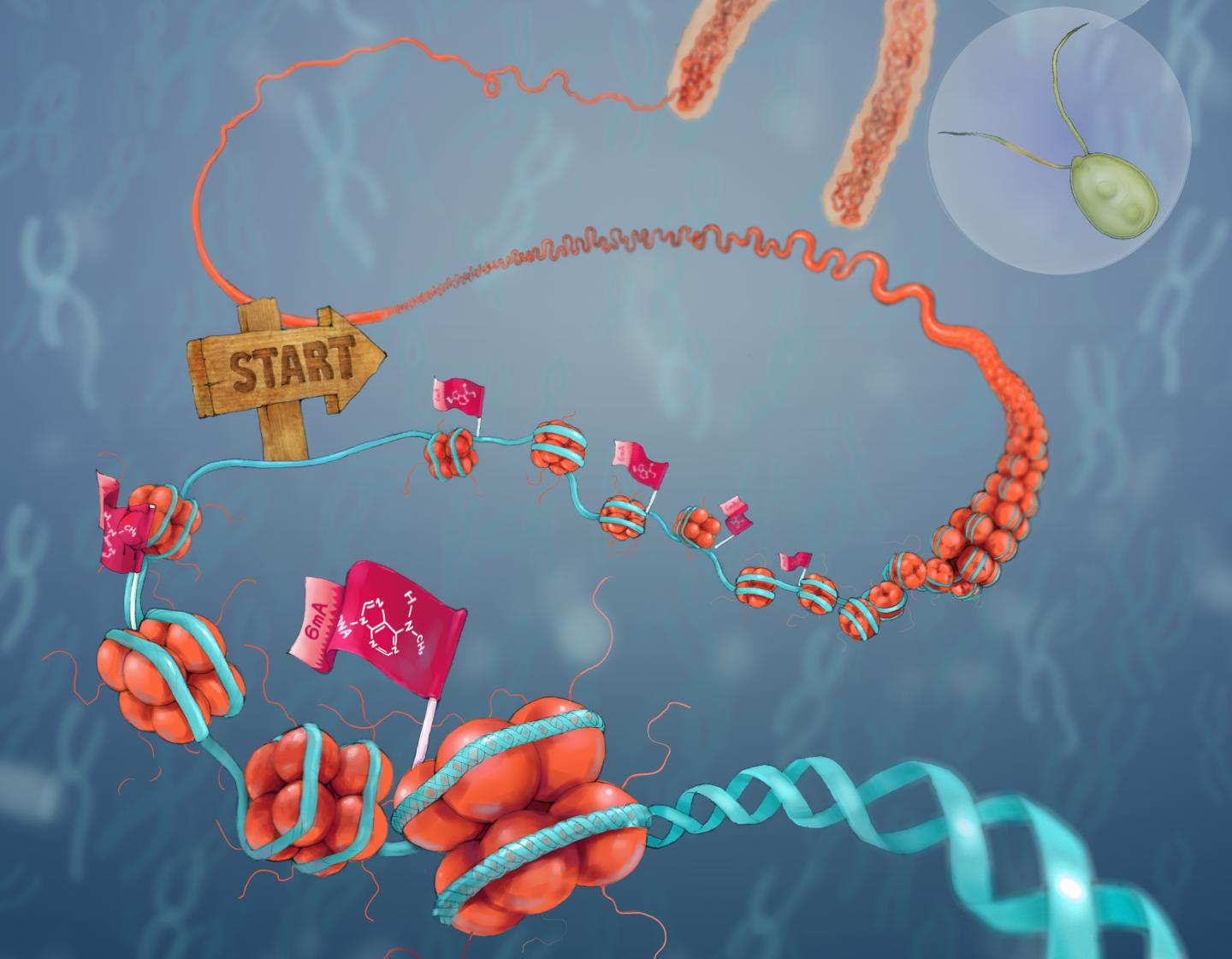
Common DNA modifications occur through methylation, a chemical process that can dramatically change gene expression, which regulates the eventual production of proteins that carry out the functions of an organism. 

DNA encodes genetic information in its chemical bases: adenine, cytosine, guanine, and thymine. Methylated cytosine is the dominant DNA modification found in eukaryotes, a taxonomical classification that includes mammals, insects, worms, plants, and algae, but new papers have identified an adenine DNA methylation that also epigenetically regulates cellular function in green algae, worms, and flies.

On March 17th, 2013, an object the size of a boulder hit the lunar surface in Mare Imbrium and exploded in a flash of light nearly 10 times as bright as anything ever recorded before - the largest recorded explosion occurred on the surface of the moon.

A common black fungus, Aspergillus carbonarius ITEM 5010, found in decaying leaves, soil and rotting fruit has been used to to create hydrocarbons, the chief component of petroleum, similar to those in aviation fuels. The fungus produced the most hydrocarbons on a diet of oatmeal but also created them by eating wheat straw or the non-edible leftovers from corn production.

Fungi have been of interest for about a decade within biofuels production as the key producer of enzymes necessary for converting biomass to sugars. Some researchers showed that fungi could create hydrocarbons, but the research was limited to a specific fungus living within a specific tree in the rainforest, and the actual hydrocarbon concentrations were not reported.

A majority of American adults have tried dieting to lose weight at some point in their lives, and at any given time, about one-third of the adult population say they're currently dieting, which is why diet books are the one consistent think about the New York Times bestseller list. Yet 60 percent of American adults are overweight or even obese and more than 16 percent of deaths nationwide are linked to that. 

There are plenty of misunderstandings and sometimes they get regurgitated into new forms, like that sugar is toxic or bread is bad for your brain. It can get a little confusing so Johns Hopkins physicians have shed some light on what is well-worn myth and what is fiction and what is in between.

Belief: Eating too much sugar can cause diabetes