




Milk is a key element for household food security and provides a stable income to farmers including women, who are usually in charge of taking care of the milk-producing animals in the low-income countries. Currently pathogen growth in milk is managed with refrigeration or with chemicals.

Although bacterial growth in milk is managed with refrigeration in the high-income countries, a high cost of infrastructure and a demand for a permanent electricity supply prevent milk refrigeration in the rural areas in the low-income countries.

Moreover, certain pathogens, for example Listeria monocytogenes, are less sensitive to low temperature; therefore, they can proliferate at refrigeration during transportation and storage.

The Mediterranean diet became a health fad when epidemiologists looked at a region in Europe and determined that their lower heart disease was due to more fish.

A new paper uses a debunked claim "it takes a gallon of gas to make a pound of beef" and uses that to declare that a new diet would reduce global warming. The authors from the University Hospital Complex of Huelva, Jaume I University of Castellón and the University of Huelva compared the daily menus in Spain, based on a roughly Mediterranean diet, to those eaten in English-speaking countries, such as the United Kingdom and the US.
Rhodiola rosea (R. rosea), or roseroot, may be a beneficial treatment option for major depressive disorder, according to a randomized, double-blind, placebo-controlled, comparison trial of oral R. rosea extract versus conventional antidepressant for mild to moderate major depressive disorder.
Animal development has an intriguing puzzle - scaling, the proportionality of different body parts. Whether you have an elephant or a mouse, organ and tissue sizes are generally proportional to the overall size of the body.

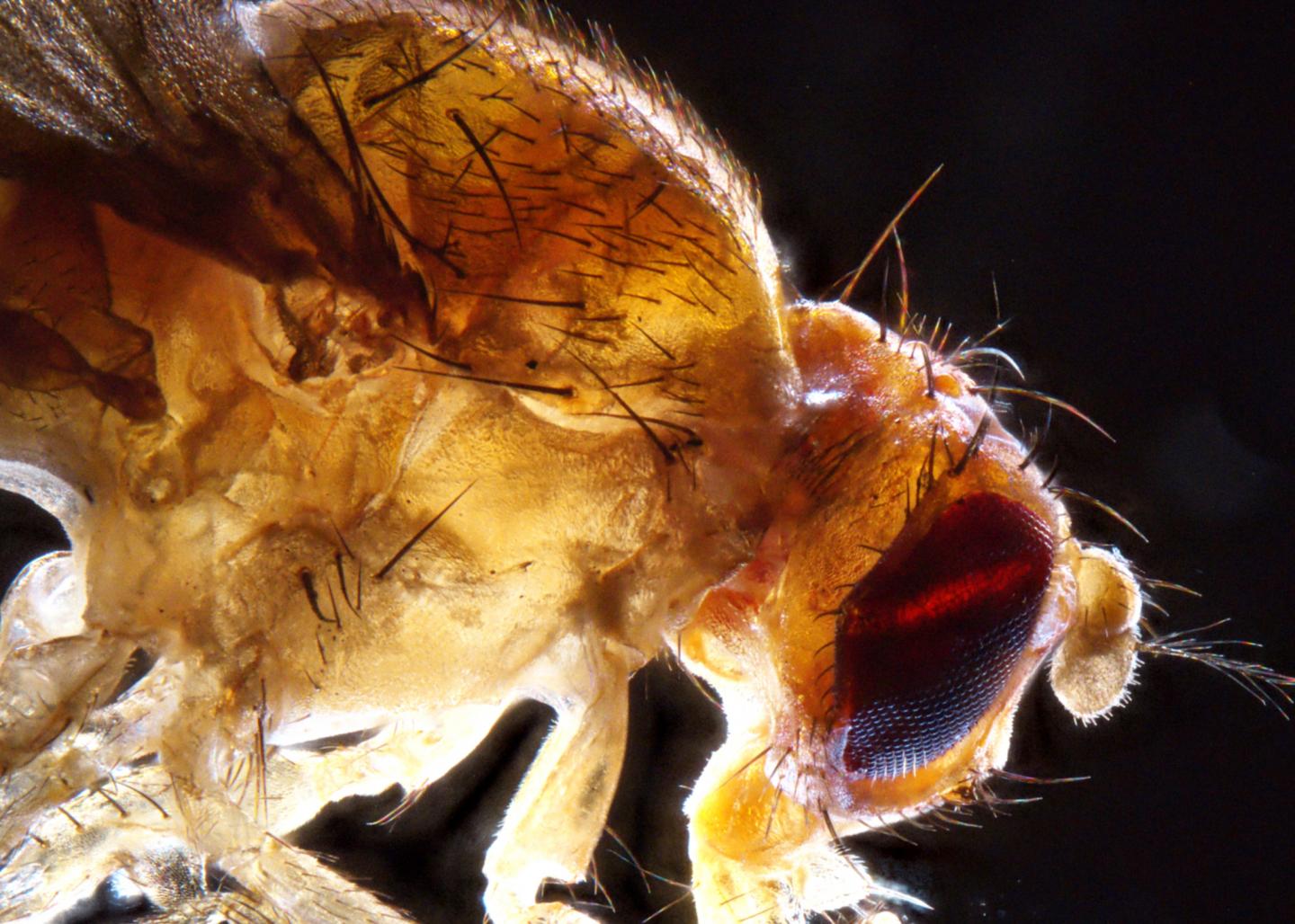
Clearly evolution determined 'just right' but how? Some new clues from fruit flies show the size and patterning accuracy of an embryo depend on the amount of reproductive resources mothers invest in the process before an egg leaves the ovary.
As we age, our bodies biologically are going to perform less efficiently. There are no 60-year-old shortstops in major league baseball, we can injure more easily and our brains slow down as well. We often won't have the memory or cognitive processing ability we used to have, but that doesn't mean it is dementia.

A new paper outlines a risk factor scoring system for dementia. The downside to risk factors is people really do not understand them, if Angelina Jolie continues to get genetic tests and then surgery as a result she may soon have no internal organs left, but properly used they can help identify those at risk and that leads to early diagnosis.

Orthorexia nervosa, the “health food eating disorder”, gets its name from the Greek word ortho, meaning straight, proper or correct.

This exaggerated focus on food can be seen today in some people who follow lifestyle movements such as “raw”, “clean” and “paleo”.

American doctor Steven Bratman coined the term “orthorexia nervosa” in 1997 some time after his experience in a commune in upstate New York.

It was there he developed an unhealthy obsession with eating “proper” food:

Most savvy citizens and policy makers are concerned about the departure of the world's best and brightest researchers from antibiotic discovery - regulations are up and everyone wants generic prices from the moment products are approved - but a paper in BMJ takes the contrarian approach and argues new antibiotics probably wouldn't help with antibiotic resistance anyway.

Associate Editor and Assistant Professor at the University of Maryland School of Pharmacy Peter Doshi, like many academics, comments academically because the real world is a simple black box - he believes authorities should not be approving drugs unless they are certain they can tackle the problem of antimicrobial resistance.

In light of the news of another tragic airline crash, and following in the wake of several other high profile air disasters, it might be natural to ask whether air travel is becoming less safe.

In fact, according to the numbers, air travel is safer than at almost any point in the history of commercial flight.

While the number of fatalities in some recent crashes has been high, the number of overall fatal accidents in recent years has dropped to its lowest point since the dawn of the jet age. Also, as more and more people take to the skies each year, the numbers of fatalities per liftoff or per flight hour have also dropped dramatically.

A new study finds that it is possible to detect endometrial cancer using tumor DNA picked up by ordinary tampons. DNA samples from vaginal secretions can show the presence of chemical "off" switches - known as methylation - that can disable genes that normally keep cancer in check.

The finding is a critical step toward a convenient and effective screening test for endometrial cancer, which is the most common gynecologic malignancy in the United States.

"Ancestry-constrained phylogenetic analysis supports the Indo-European steppe hypothesis", by Will Chang, Chundra Cathcart, David Hall and Andrew Garrett (all of UC-Berkeley), provides new support for the "steppe hypothesis" or "Kurgan hypothesis", which proposes that Indo-European languages first spread with cultural developments in animal husbandry around 4500 - 3500 BCE.

Chang et al. examined over 200 sets of words from living and historical Indo-European languages. After determining how quickly these words changed over time through statistical modeling, they concluded that the rate of change indicated that the languages which first used these words began to diverge approximately 6,500 years ago,

