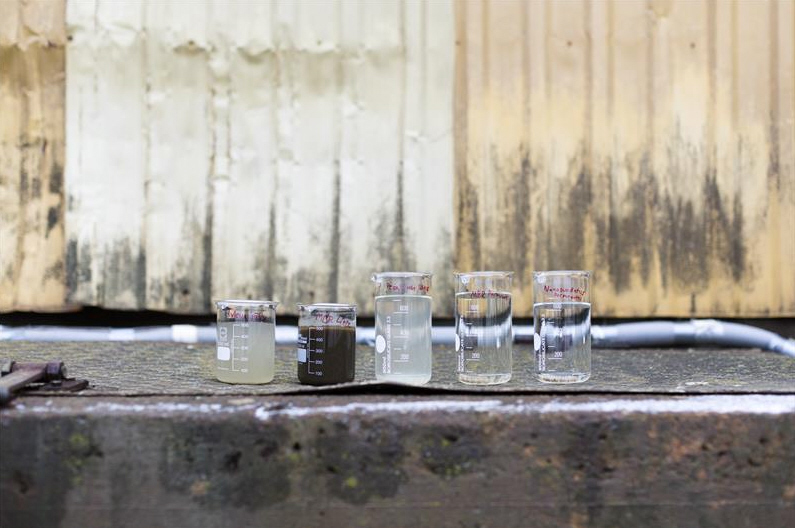




Our bodies do not absorb all of the medicines we might take, some are excreted and though the impact individually is minor, over time and in a large population, there are concerns that such medical waste will lead to issues like antibiotic resistance.
In cultural perception, an artificial hand looks something like a Steampunk reworking of a hand, with gears and pistons and rods. In the future, an artificial hand would look just like a hand, except with muscles made from smart metal wires.

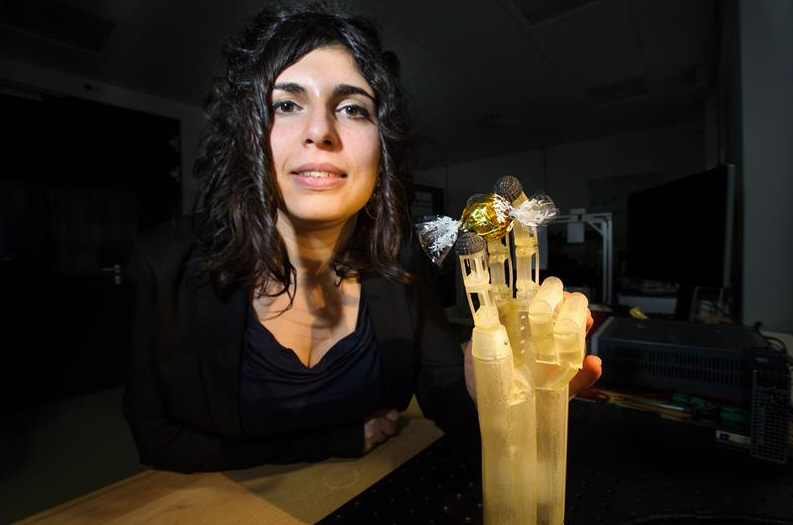
Engineers at Saarland University have equipped an artificial hand with muscles made from  nickel-titanium shape-memory wire, enabling the fabrication of flexible and lightweight robot hands for industrial applications and novel prosthetic devices. The muscle fibers are composed of bundles of the ultra-fine nickel-titanium alloy wires, each about the width of a human hair, and they are able to tense and flex and the material has sensory properties allowing the artificial hand to perform extremely precise movements. 
Milk has a long been a nutritional and economic staple in western countries but it is quickly susceptible to pathogens quite easily, which is why pasteurization, which kills harmful microbes, is the norm for all but the food fad fringes. Due to harmful microbes, raw milk is 150X as likely as pasteurized milk to result in illness.

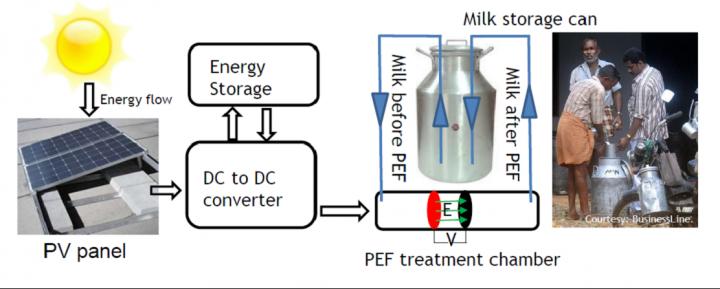
Refrigeration and chemicals can manage pathogen growth but Listeria monocytogenes are less sensitive to low temperature; therefore, they can proliferate at refrigeration during transportation and storage.  And not everyone has access to the infrastructure needed for a permanent electricity supply needed to drive refrigeration.

Perhaps if electricity were just needed in bursts.

The 2015 Alzheimer's Disease Facts and Figures report found that only 45 percent of people with Alzheimer's disease or their caregivers were told the diagnosis by their doctor.

That is significantly lower than the 90 percent of people told the diagnosis for the four most common cancers.

Why? The reason most commonly cited by health care providers for not disclosing an Alzheimer's diagnosis is fear of causing the patient emotional distress but, according to the report, "studies that have explored this issue have found that few patients become depressed or have other long-term emotional problems because of the [Alzheimer's] diagnosis." 

Filmmakers know personality disorders make for compelling viewing.

Think of attention-seeking Scarlett O'Hara in "Gone with the Wind" (1939). Or the manipulation and callous disregard for others in "Silence of the Lambs" (1991), "The Talented Mr. Ripley" (1999) and "Chopper" (2000). Then there are the fears of abandonment and emotional instability in "Fatal Attraction" (1987) and "Girl, Interrupted" (1999).

Cinema is less adept, however, at showing the ordinary joys, heartache and sometimes suicidal despair of the friends, workers or relatives we might know with personality disorders.

Who volunteers to have sex in a laboratory?

I was struck by this question when reading about an experimental study of ideal sexual positions for men with back pain.

For the purpose of the research, couples were filmed using motion capture and infra-red technology while they had sex.

The researchers were in a separate booth where they could hear, but not see, the participants. Electrodes were used to record muscle activity in certain parts of the body, to get an idea of force.

In a recent study, "Spatiotemporal isolation of attosecond pulses in the soft X-ray water window " published in Nature Communications by the Attoscience and Ultrafast Optics Group, led by ICREA Professor at ICFO Jens Biegert, the generation of isolated attosecond pulses at the carbon K-edge at 284 eV (4.4 nm), within the water window range, was achieved.

Carbon is one of the most abundant elements in the Universe and the building block of life on earth. It is a fundamental element for both organic compounds, such as cells, lipids, carbohydrates, as well as inorganic compounds, such as those used to fabricate carbon nanotubes, graphene, organic electronics and light harvesting devices.

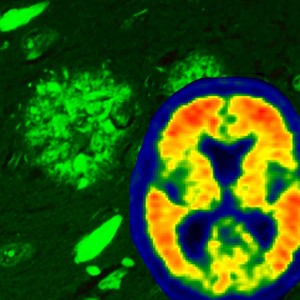
An examination of over 3,600 postmortem brains has concluded that the progression of dysfunctional tau protein drives the cognitive decline and memory loss seen in Alzheimer's disease. That means amyloid, the other toxic protein that characterizes Alzheimer's and builds up as dementia progresses is not the primary culprit.

There has been an ongoing debate about the relative contributions of amyloid and tau to the development and progression of cognitive dysfunction in Alzheimer's but the findings suggest that halting toxic tau should be a new focus for Alzheimer's treatment, 

New research published in Diabetologia shows that in women who have developed gestational diabetes mellitus (GDM) during pregnancy, being obese before the pregnancy and putting on more weight after it massively increases the risk of later developing type 2 diabetes (T2D).

Research has shown that the health of immigrants is generally better than that of citizens of their host country, at least on their arrival and for some time afterwards. But a team of researchers in Montreal has found that this is not true of all groups of immigrants; children and older people, for example, may be exceptions. "Our analysis suggests that immigrant health policies should not be 'one size fits all' in type, and that they need to take account of immigrants' ages and the indicators of the health problems they are vulnerable to", according to Zoua Vang, Professor of Sociology at McGill University and Alain Gagnon, Director of the Demography Department at the University of Montreal.


