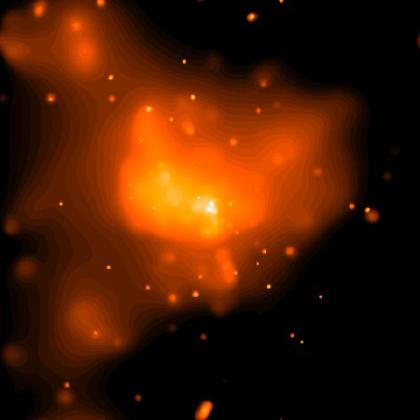
One of astronomy's big questions is why galaxies forming as recently as 1 billion years after the Big Bang contain so much dust. The leading hypothesis is that supernovae, stars that explode at the end of their lives, contain large amounts of metal-enriched material that, in turn, harbors key ingredients of dust, like silicon, iron and carbon.
To combat possible climate change due to greenhouse gases, a mix of alternative energy sources (except nuclear for the United States) and geoengineering schemes have been proposed. One idea proposes that ocean pipes could facilitate direct physical cooling of the surface ocean by replacing warm surface ocean waters with colder, deeper waters.
A new study from a group of Carnegie scientists determines that these types of pipes could actually increase global warming quite drastically.
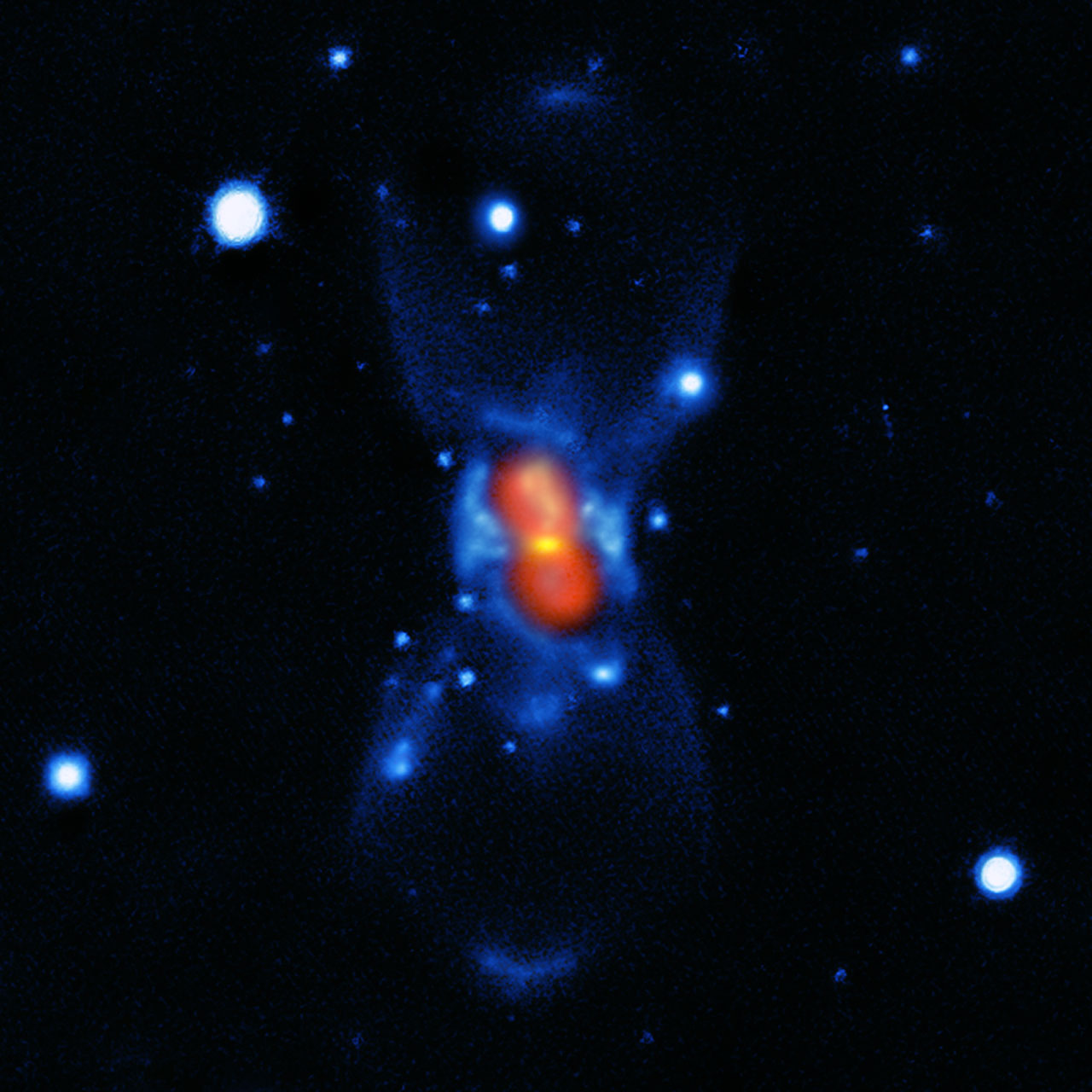
In 1670, the greatest astronomers, including Cassini and Hevelius, the father of lunar cartography, documented the appearance of a new star in the skies.
Hevelius described it as nova sub capite Cygni — a new star below the head of the Swan — and now it is officially known it by the name Nova Vulpeculae 1670. It lies within the boundaries of the modern constellation of Vulpecula (The Fox), just across the border from Cygnus (The Swan) and is also referred to as Nova Vul 1670 and CK Vulpeculae, its designation as a variable star.
Historical accounts of novae are rare and Nova Vul 1670 is both the oldest recorded nova and the faintest nova when later recovered.

When checking your email over a secure connection, or making a purchase from an online retailer, have you ever wondered how your private information or credit card data is kept secure?
Our information is kept away from prying eyes thanks to cryptographic algorithms, which scramble the message so no-one else can read it but its intended recipient. But what are these algorithms, how did they come to be widely used, and how secure really are they?
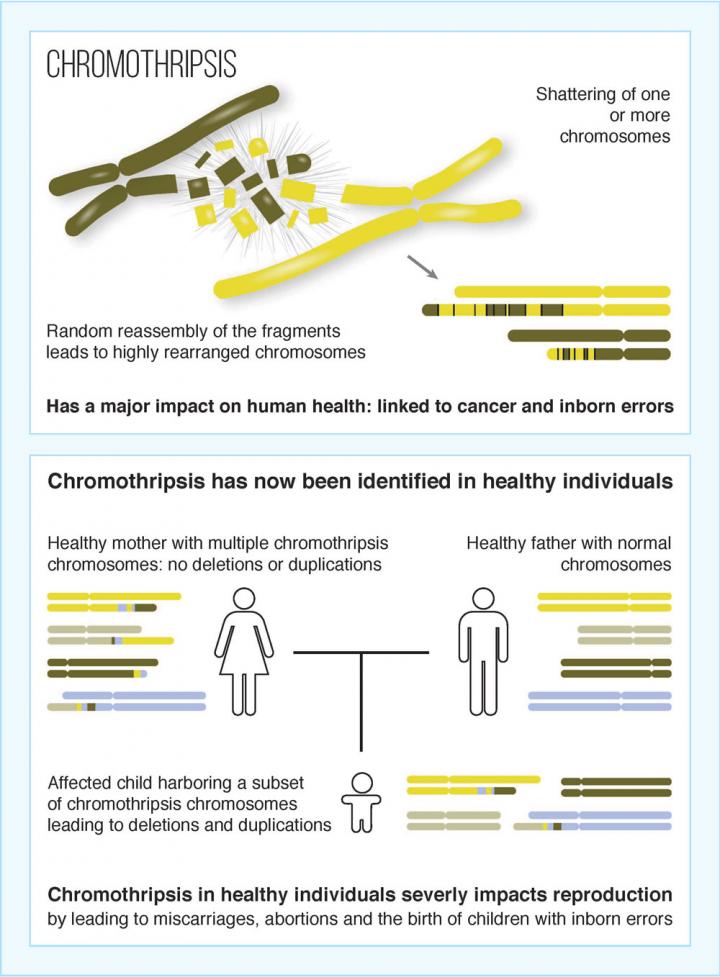
In a complex system like the human body, it's no surprise things can sometimes go wrong in development but evolution has made the system rather forgiving. When children inherit chromosomes from their parents, some minor genetic changes frequently occur without consequence but chromothripsis - chromosomal shattering - has been linked to severly affected children of healthy mothers in a small study.

Narcissistic children feel superior to others, believe they are entitled to privileges and crave admiration from others.
When they don’t get the admiration they want, they may lash out aggressively.
Why do some children become narcissistic, whereas others develop more modest views of themselves? We have undertaken research into this question and we found socialization plays a significant role.
Lost in all of the hype and hysteria and White House panels on how industry is killing bees is the last indicator species that was being doomed by non-organic pesticides: frogs.

Each day we are bombarded with branding and repetitive advertising. Is it feasible that we dutifully soak up visuals and messages and store them accurately?
An experiment tested the concept by examining our memory of the ubiquitous Apple logo and our perceived ability for recall.
Apple has long been a logo recognized the world over and now it is riding a wave of unparalleled fan adulation, with people standing in line for hours just to overpay for phones, tablets and watches and the aesthetic self-identification the logo brings.
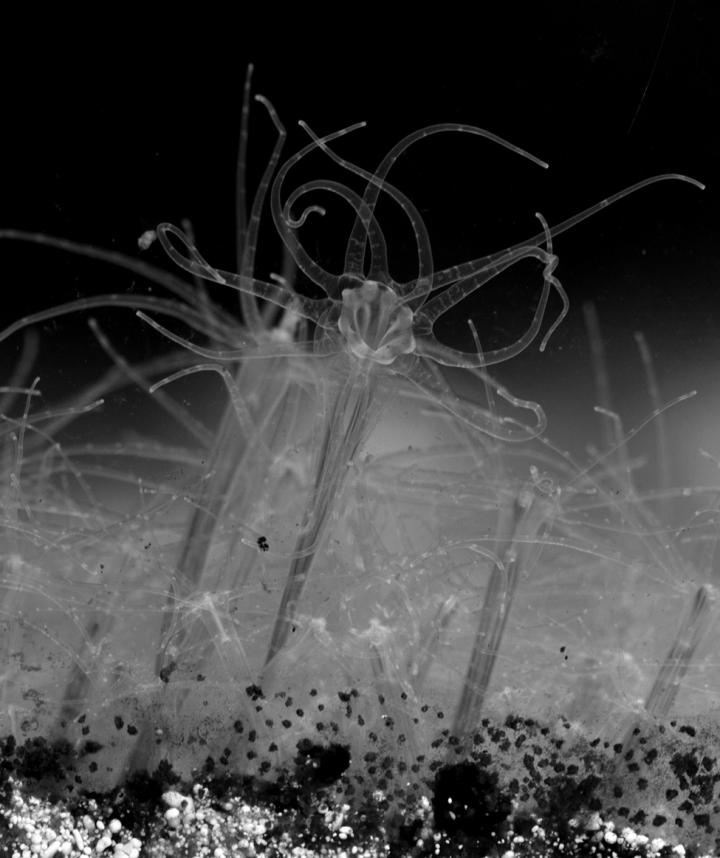
Most animals have a dorso-ventral (back-to-belly) body axis which determines the position of the central nervous system - dorsal in humans, ventral in insects.
Though there are obviously morphological differences, the same signaling molecules of bone morphogenetic protein (BMP) molecules establishes the dorso-ventral axis including the central nervous system in both insects and vertebrates, which led to the conclusion that this molecular mechanism was already present in the common ancestor.
Tracing the origin of the dorso-ventral axis has not been easy but sea anemones have provided some answers.
Spring is finally in, and with it the great expectations for a new run of the Large Hadron Collider, which will restart in a month or so with a 62.5% increase in center of mass energy of the proton-proton collisions it produces: 13 TeV. At 13 TeV, the production of a 2-TeV Z' boson, say, would not be so terribly rare, making a signal soon visible in the data that ATLAS and CMS are eager to collect.