Fake Banner
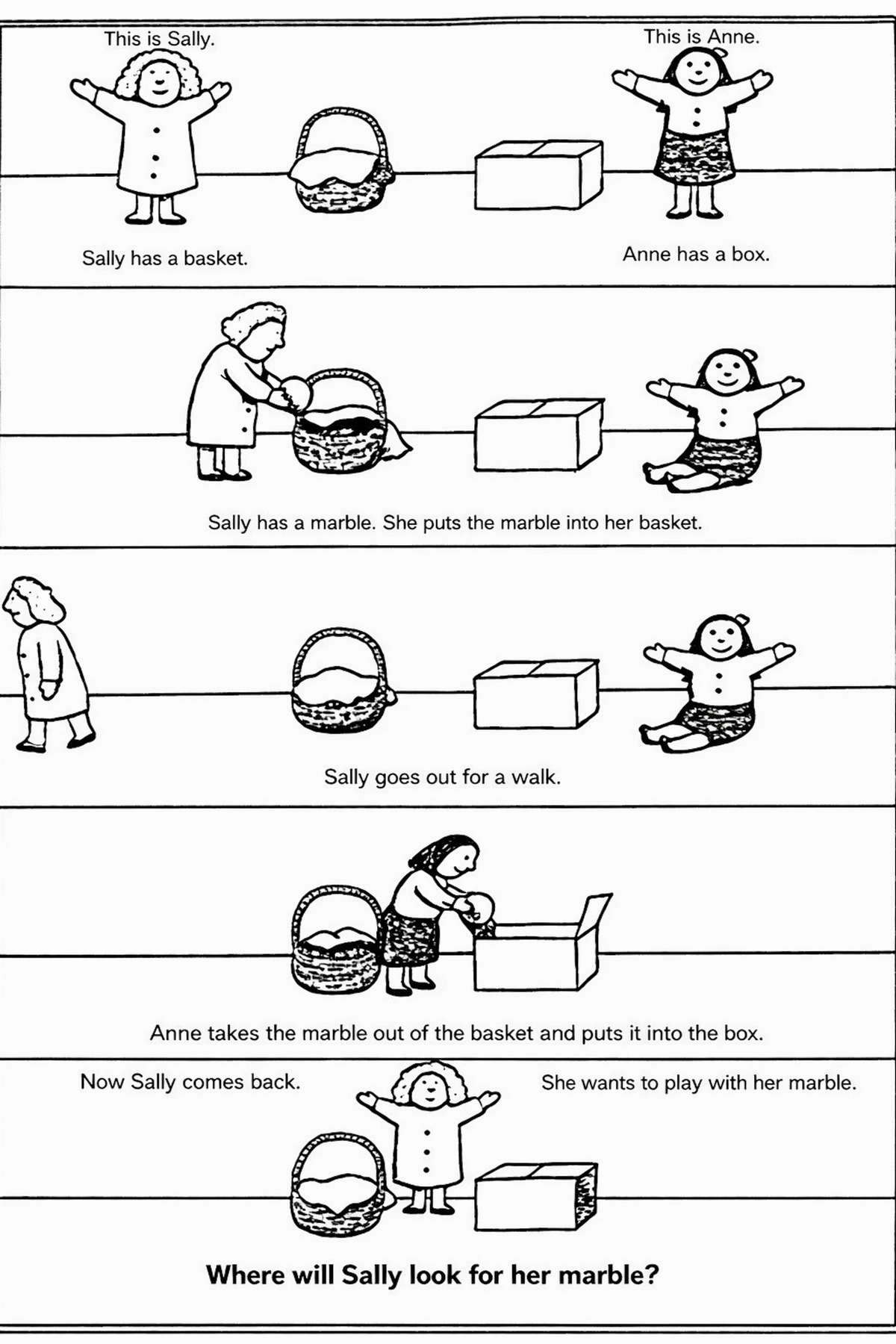
Theory Of Mind Is Wrong About Autistic People

For four decades, a controversial idea has shaped how autism is understood by researchers, healthcare...
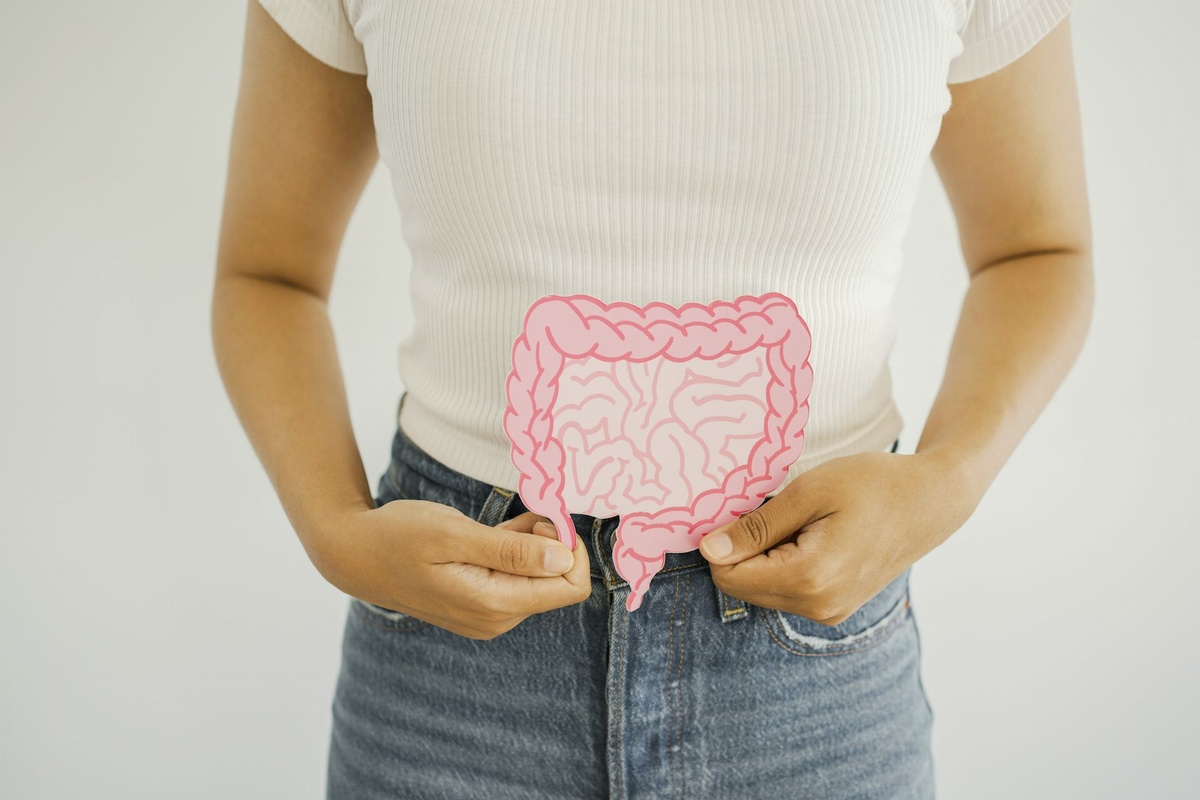
Bacteroides Fragilis May Be A Fifth Columnist Helping Colon Cancer In Your Body

The gut bacterium Bacteroides fragilis has long presented researchers with a paradox. It has been...
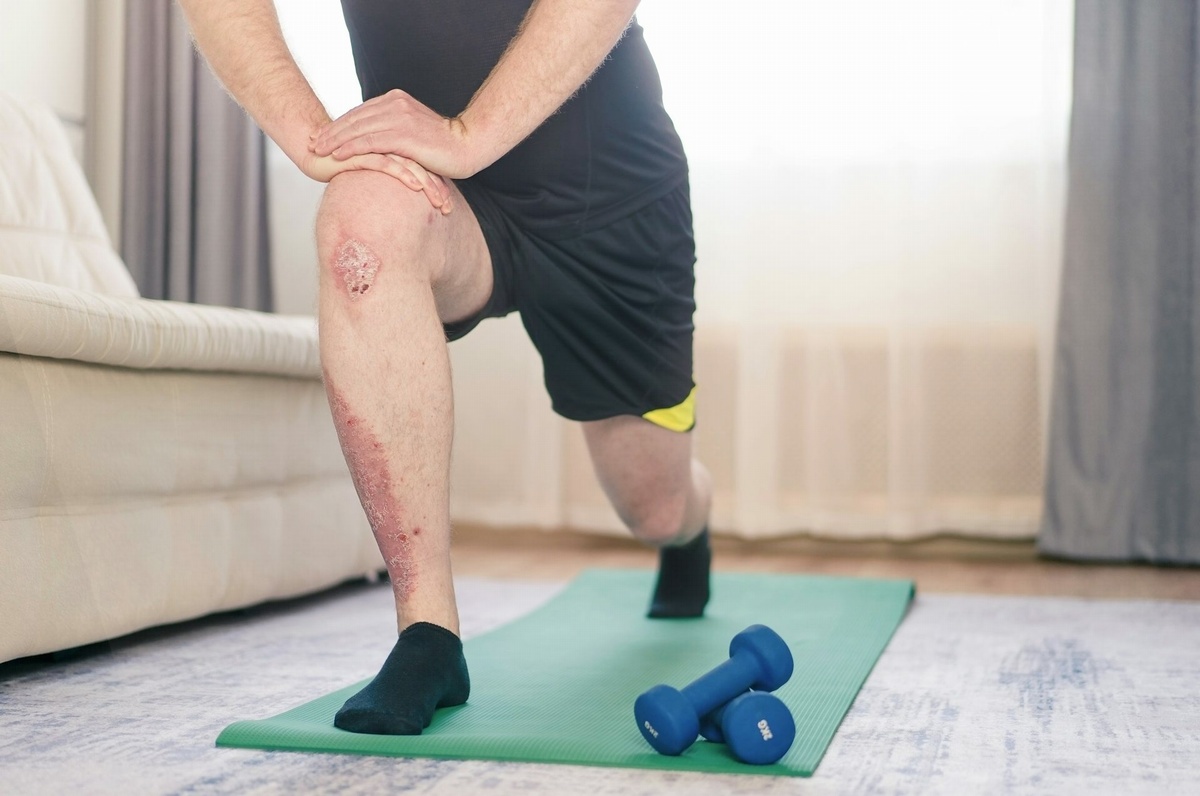
Losing Weight Improves The Heartbreak Of Psoriasis For Some

For many people living with psoriasis, the red, scaly skin patches are only part of the story....
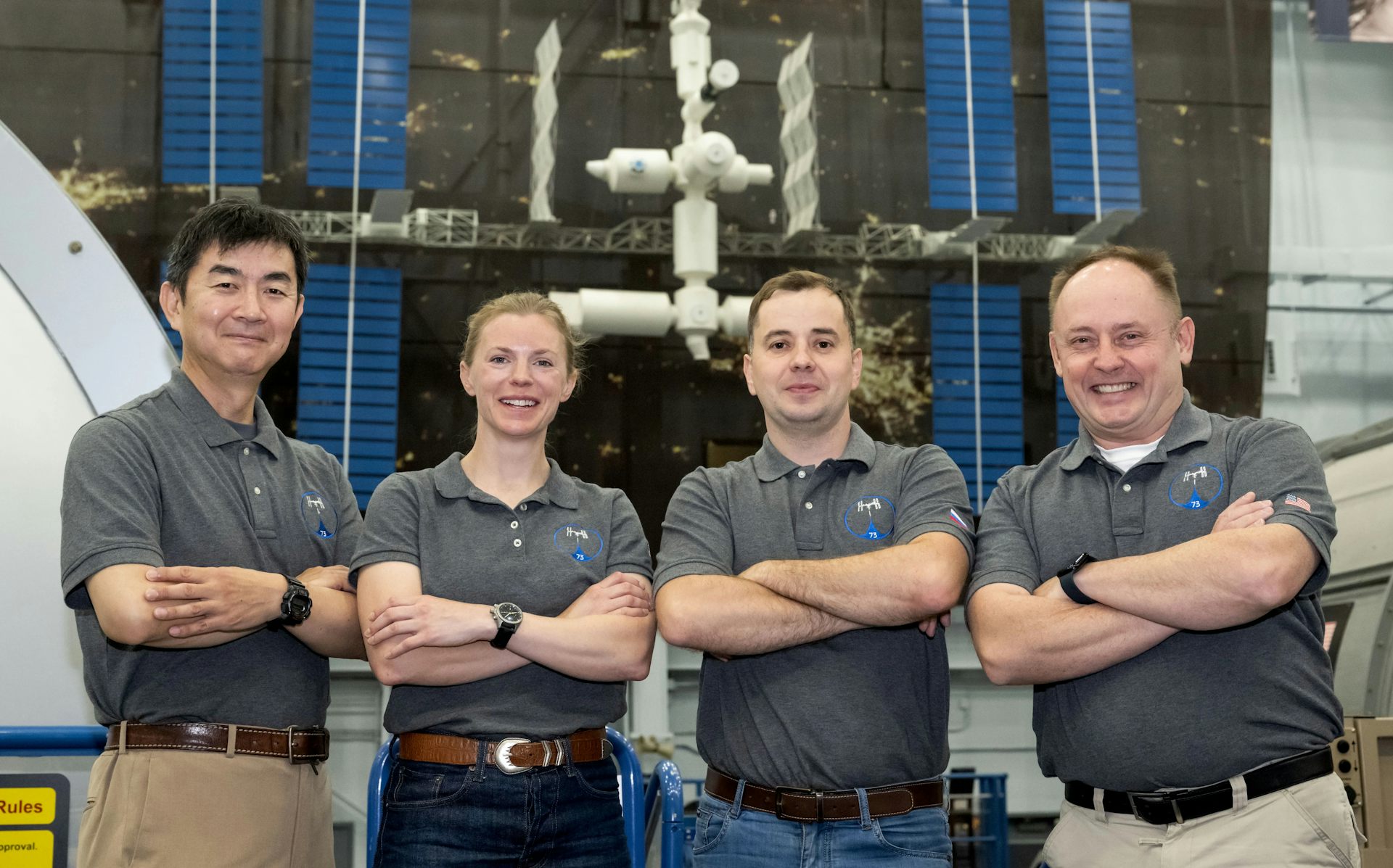
Healthcare In Space - The First Medical Evacuation From The ISS

For the first time in 25 years of continuous crewed operations, an astronaut has been medically...

User picture.
The ConversationRSS Feed of this column.

The Conversation is an independent source of news and views, funded by the academic and research community and delivered direct to the public. The Conversation launched in Australia in March 2011.... Read More »

Blogroll

There are ways non-scientists can assess if the research underlying big claims about cancer cures stack up. Rafael Anderson Gonzales Mendoza/Flickr, CC BY-NC-SA

By Nial Wheate, University of Sydney


Women – and little girls even more so – are desperate to see images and stories that don’t actively oppress them onscreen, says Olivia Murphy. Image: Nadia Mel, CC BY-SA

By Olivia Murphy, University of Sydney

Seattle Seahawks cornerback Richard Sherman gets called a lot of things. He calls himself the greatest cornerback in the NFL (and Seattle fans tend to agree). Sportswriters and some other players call him a loudmouth and a showboater. Fans of other teams call him a lot of things that shouldn’t see print (even on the Internet). One thing you’re not likely to hear anyone on ESPN call Sherman, though, is “scientist.”

And yet, an elite professional athlete like Richard Sherman is, in fact, extremely adept at doing science. Not the white-lab-coat, equations-on-a-blackboard sort of science, but the far older and universal process of observing, making and testing models of the universe.


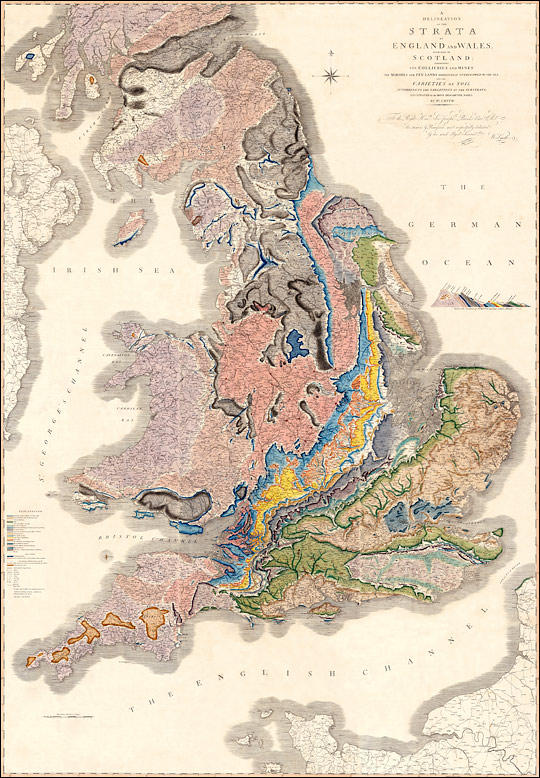
Published in 1815, Smith’s Geological Map of England and Wales and Part of Scotland was the first geologic map to cover such a large area in such fine detail. William Smith, British Geological Survey

By John Howell, Professor, Chair in Geology and Petroleum Geology at University of Aberdeen.

by Ian Musgrave, Senior lecturer in Pharmacology at University of Adelaide

I was going to avoid blogging on this topic, but seeing as the story made the Australian with the headline “Chemicals in lipstick and cleaning products linked to early menopause”, I feel I have to weigh in a bit to avoid undue panic and the inevitable dangers of people hurling their lipsticks out the window at great speed. Also, there are issues of science communication and “the dose makes the poison”


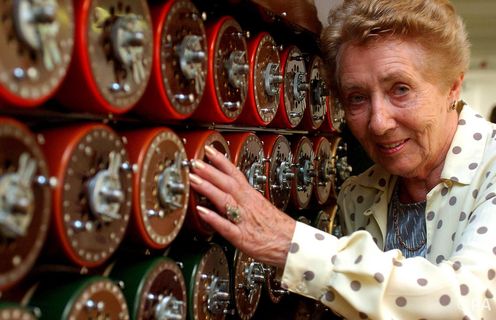
Jean Valentine, a bombe operator at Bletchley in the 1940s. Rui Vieira/PA

By Bryony Norburn, University of Buckingham