Fake Banner
Healthcare In Space - The First Medical Evacuation From The ISS

For the first time in 25 years of continuous crewed operations, an astronaut has been medically...

I Earned It, You're Privileged - The Paradox In How We View Achievement

The concept of “hard work v privilege”, and what either one says about someone’s social status...

Not Just The Holidays: The Hormonal Shift Of Perimenopause Could Be Causing Weight Gain

You’re in your mid-40s, eating healthy and exercising regularly. It’s the same routine that...

Anxiety For Christmas: How To Cope

Christmas can be hard. For some people, it increases loneliness, grief, hopelessness and family...

User picture.
The ConversationRSS Feed of this column.

The Conversation is an independent source of news and views, funded by the academic and research community and delivered direct to the public. The Conversation launched in Australia in March 2011.... Read More »

Blogroll

The Slave Trade painted by a French abolitionist artist.

By Daina Ramey Berry, University of Texas

People think they know everything about slavery in the United States, but they don’t.

They think the majority of African slaves came to the American colonies, but they didn’t. They talk about 400 hundred years of slavery, but it wasn’t. They claim all Southerners owned slaves, but they didn’t. Some argue it was a long time ago, but it wasn’t.


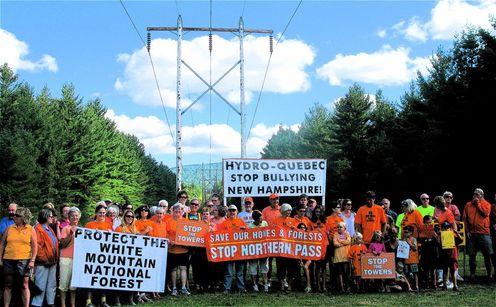
It's easy to sneer at people for protecting their backyards, but what if there's a compelling reason to do so? Mickey DeRham photos, CC BY-NC

By Naomi Oreskes, Professor of the History of Science at Harvard University.

The term NIMBY – “not in my back yard"– has long been used to criticize people who oppose commercial or industrial development in their communities. Invariably pejorative, it casts citizens as selfish individualists who care only for themselves, hypocrites who want the benefits of modernity without paying its costs.


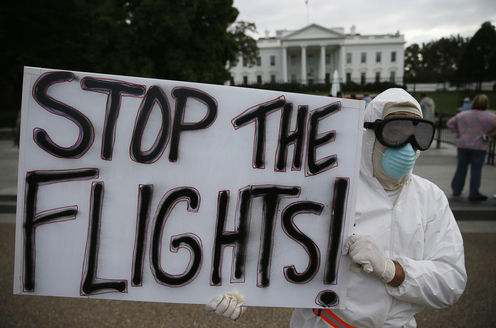
Think twice before you over-react. Image: Jim Bourg/Reuters

By Alfred Hermida, University of British Columbia

Whatever you do, don’t turn to Twitter for news about Ebola.

The volume and tone of tweets and retweets about the disease will make you wish you were watching the zombie apocalypse of The Walking Dead instead. It is much less scary.


Too much to ask. wavebreakmedia / shutterstock

By James Hayton, University of Warwick


Human volunteers for Ebola vaccine. Image:niaid

By Connor Bamford, University of Glasgow

The world has been warned that the current Ebola epidemic may not end without the use of a vaccine – and no licensed vaccines exist yet. That may soon change, because scientists are making swift progress.


How much more glacial melting can the planet stand? NASA

By Micheal Mann, Pennsylvania State University and Lawrence Torcello, Rochester Institute of Technology