Fake Banner
Deontological Decisions: Your Mother Tongue Never Leaves You

Ιf you asked a multilingual friend which language they find more emotional, the answer would usually...

Mummy Mia! Medicinal Cannibalism Was More Recent Than You Think

Why did people think cannibalism was good for their health? The answer offers a glimpse into the...

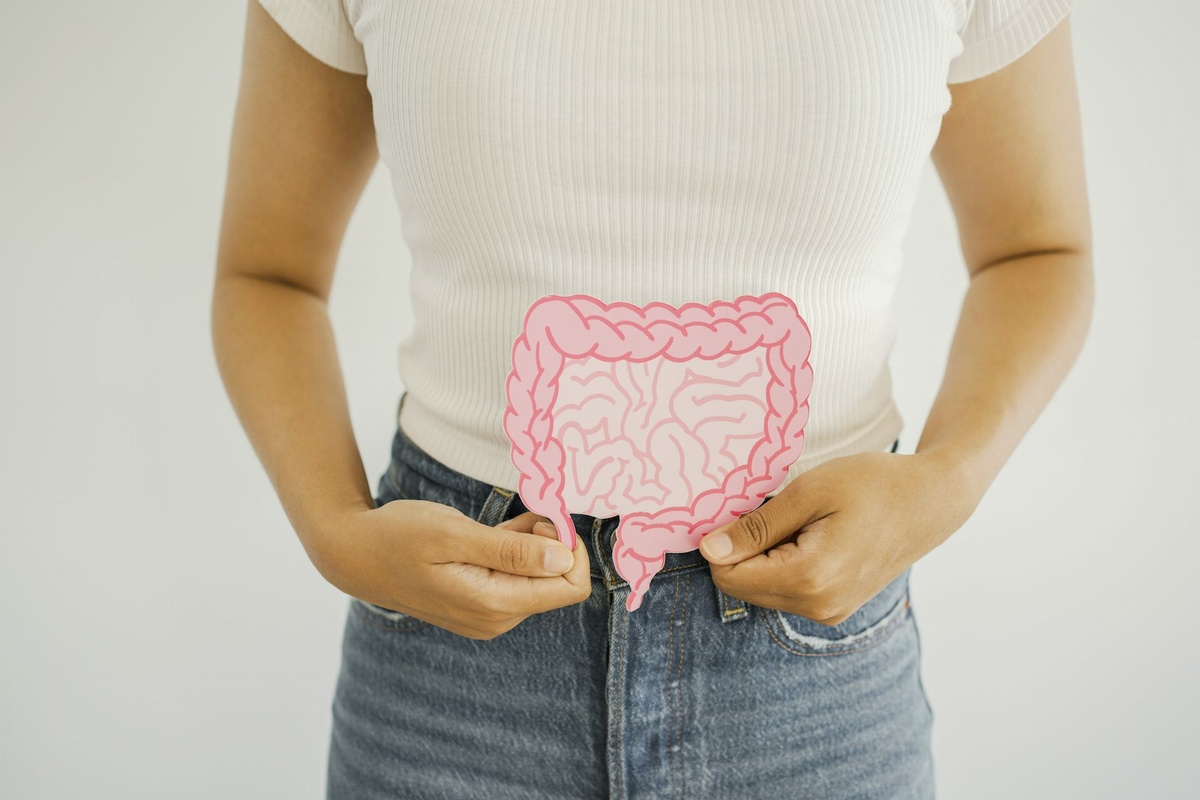
Inflammatory Bowel Disease May Accelerate Dementia

You have probably heard the phrase “follow your gut” – often used to mean trusting your instinct...

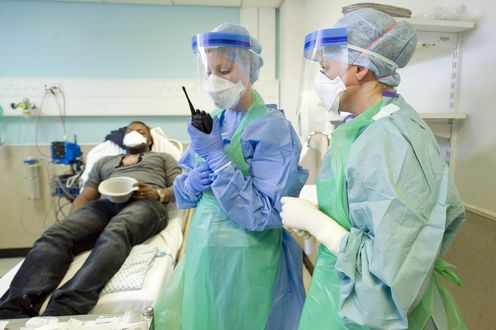
RFK Jr Is Wrong About MRNA Vaccines - They Make COVID-19 Less Deadly

US health secretary Robert F. Kennedy Jr has announced he is cancelling US$500 million (£374 million)...

User picture.
The ConversationRSS Feed of this column.

The Conversation is an independent source of news and views, funded by the academic and research community and delivered direct to the public. The Conversation launched in Australia in March 2011.... Read More »

Blogroll

It's Ada Lovelace day. Image credit: unknown

By Jan Bogg, University of Liverpool

Throughout the year there are special days that see newsagents fill with celebratory cards. Perhaps punched cards would be more appropriate for Ada Lovelace Day, which marks both the mathematical prowess of the woman dubbed the “first computer programmer” and the cultural barriers she faced – those women in science and technical fields still face today.


No, it's nothing to do with a reptilian existential crisis – just a name game. Credit: melanie cook/Flickr, CC BY-NC-SA

By Dustin Welbourne

You have likely been to a zoo at some point and visited their reptile house.

A building where the climate control dial is stuck on the “wet sauna” setting, and filled with maniacal children competing to be the first to press their ice cream covered face and hands on every available piece of clean glass.


Bacteria under attack by a flock of bacteriophages. Credit: Graham Beards/Wikimedia Commons

By Luc Henry, Swiss Federal Institute of Technology in Lausanne


We are only beginning to see what augmented reality can do. Credit: Flickr/Karlis Dambra, CC BY

By Nick Kelly, University of Southern Queensland


Credit: Wing-Chi Poon, CC BY-SA

By Sana Suri, University of Oxford

The 2014 Nobel Prize for Physiology and Medicine was awarded to three neuroscientists for their pioneering work on the brain’s “inner GPS system”. Over the course of four decades, they revealed that a small part in the brain called the hippocampus stores a map of animals' surroundings and helps them navigate.


Very little has been published on VivaGel in peer-reviewed literature. Credit: Morgan/Flickr, CC BY

By Bridget Haire