Fake Banner
Deontological Decisions: Your Mother Tongue Never Leaves You

Ιf you asked a multilingual friend which language they find more emotional, the answer would usually...

Mummy Mia! Medicinal Cannibalism Was More Recent Than You Think

Why did people think cannibalism was good for their health? The answer offers a glimpse into the...

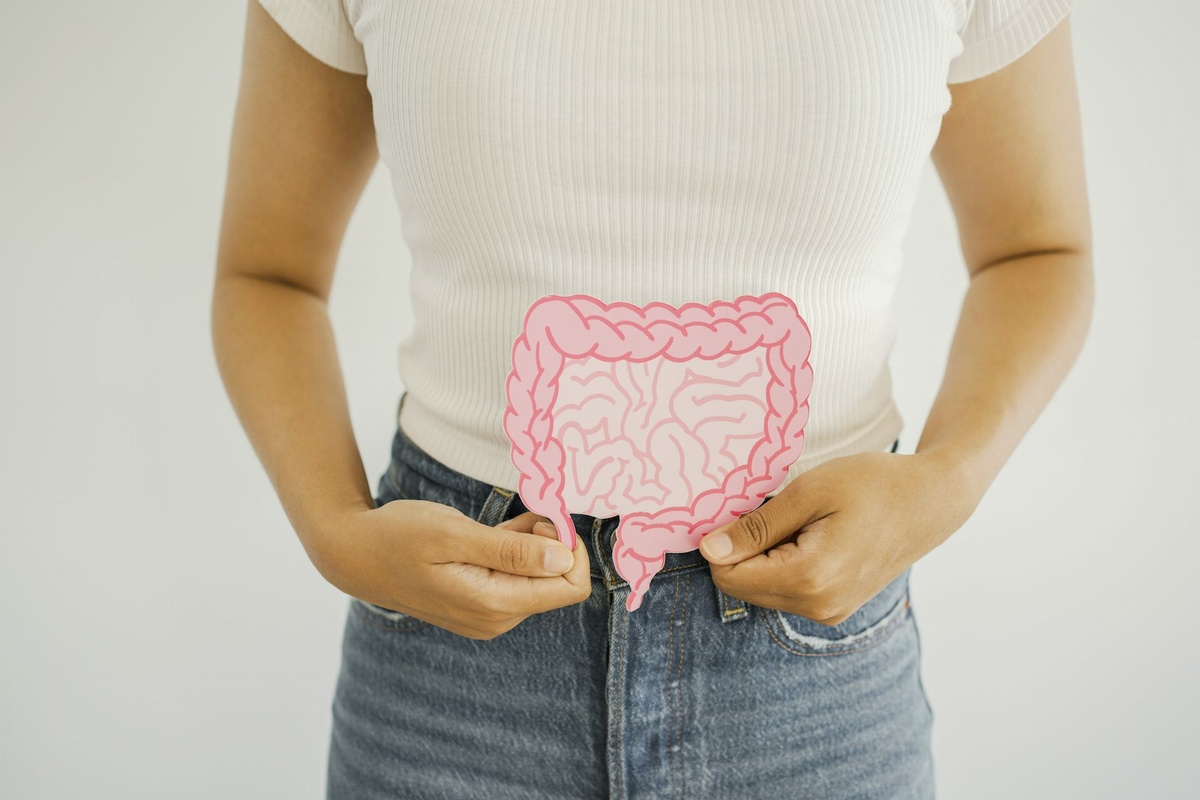
Inflammatory Bowel Disease May Accelerate Dementia

You have probably heard the phrase “follow your gut” – often used to mean trusting your instinct...

RFK Jr Is Wrong About MRNA Vaccines - They Make COVID-19 Less Deadly

US health secretary Robert F. Kennedy Jr has announced he is cancelling US$500 million (£374 million)...

User picture.
The ConversationRSS Feed of this column.

The Conversation is an independent source of news and views, funded by the academic and research community and delivered direct to the public. The Conversation launched in Australia in March 2011.... Read More »

Blogroll

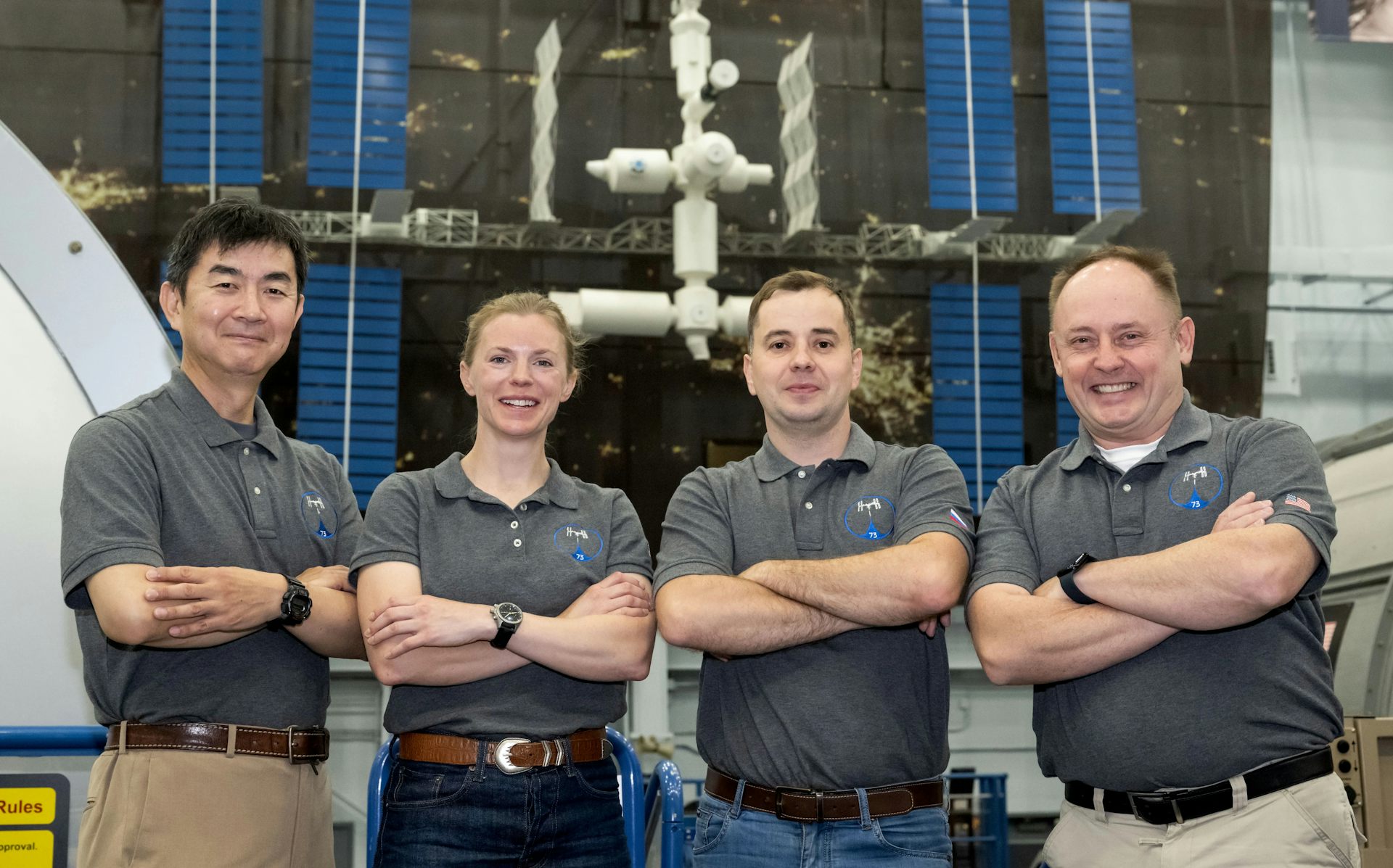
Two NASA astronauts, Robert Behnken and Douglas Hurley, will make history by traveling to the International Space Station in a privately funded spacecraft, SpaceX’s Falcon 9 rocket and Crew Dragon capsule. It will also be the first time astronauts have launched from US soil in nine years.

Young people who are “hooked” on watching fantasy or reading science fiction may be on to something. Contrary to a common misperception that reading this genre is an unworthy practice, reading science fiction and fantasy may help young people cope, especially with the stress and anxiety of living through the COVID-19 pandemic.

A person with Type 2 diabetes is three times more likely to break a bone than a nondiabetic. Since the number of people with diabetes is increasing rapidly in the United States, skeletal fragility in patients with Type 2 diabetes is a growing, but little-known, public health issue.

Usually poor bone density is the culprit behind fragile bones, but that is not the case with Type 2 diabetics, who tend to have normal to high bone density. Yet, they still suffer from fractures at an alarming rate. Nobody knows why.

During difficult times, we hope that everyone will pull together, keep calm, and work as a unit to ensure that society continues to run smoothly. Unfortunately, this is not always the case – as is particularly evident right now.

Up to one in five women will develop postpartum depression, a condition that can adversely affect the thoughts, emotions and functioning of mothers, as well as the mental health of their partners and children.

Adjusting to parenthood after delivery is challenging under normal circumstances, let alone in the midst of a global pandemic. Concerns about exposure to COVID-19, combined with physical distancing recommendations, can worsen depression and decrease access to the resources, such as health care and social supports, that women typically use to build resilience and promote recovery.

As the COVID-19 crisis unfolds, Americans have been hearing a lot about an obscure but vast federal trove of emergency supplies, the Strategic National Stockpile.