Fake Banner
Deontological Decisions: Your Mother Tongue Never Leaves You

Ιf you asked a multilingual friend which language they find more emotional, the answer would usually...

Mummy Mia! Medicinal Cannibalism Was More Recent Than You Think

Why did people think cannibalism was good for their health? The answer offers a glimpse into the...

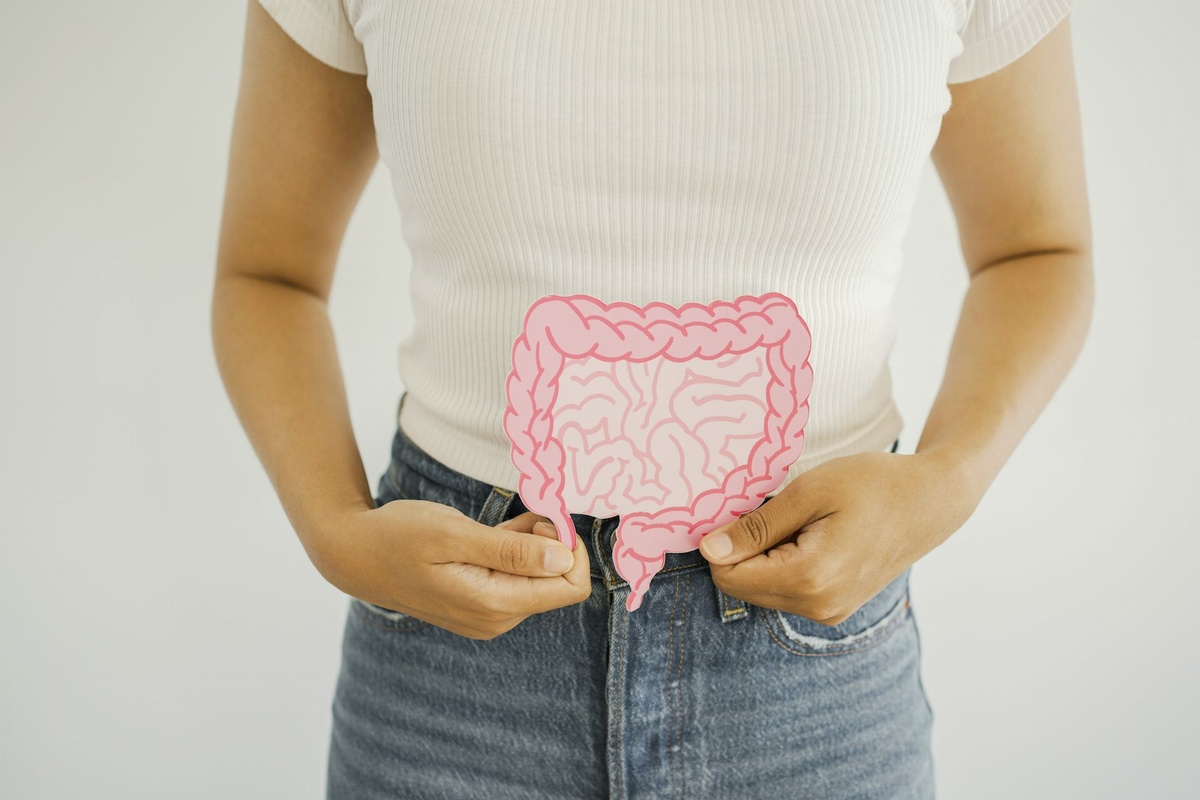
Inflammatory Bowel Disease May Accelerate Dementia

You have probably heard the phrase “follow your gut” – often used to mean trusting your instinct...

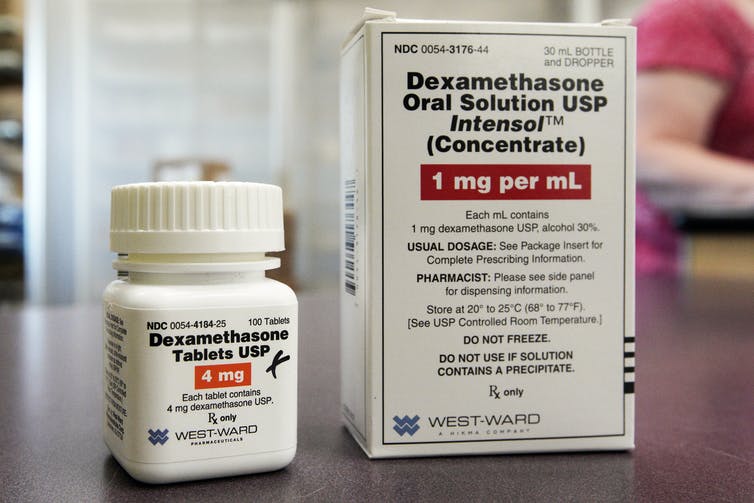
RFK Jr Is Wrong About MRNA Vaccines - They Make COVID-19 Less Deadly

US health secretary Robert F. Kennedy Jr has announced he is cancelling US$500 million (£374 million)...

User picture.
The ConversationRSS Feed of this column.

The Conversation is an independent source of news and views, funded by the academic and research community and delivered direct to the public. The Conversation launched in Australia in March 2011.... Read More »

Blogroll

In April, the editors of the Oxford English Dictionary did something unusual. For the previous 20 years, they had issued quarterly updates to announce new words and meanings selected for inclusion. These updates have typically been made available in March, June, September and December.

In the late spring, however, and again in July, the dictionary’s editors released special updates, citing a need to document the impact of the COVID-19 pandemic on the English language.

Why are some humans cruel to people who don’t even pose a threat to them – sometimes even their own children? Where does this behaviour come from and what purpose does it serve? Ruth, 45, London.

Humans are the glory and the scum of the universe, concluded the French philosopher, Blaise Pascal, in 1658. Little has changed. We love and we loathe; we help and we harm; we reach out a hand and we stick in the knife.

We understand if someone lashes out in retaliation or self-defence. But when someone harms the harmless, we ask: “How could you?”

With unemployment at its highest rate in three decades, almost a million Australians are experiencing the anxiety of being out of work. Even more are underemployed, and more still holding on to jobs for now, not knowing if that will last.

If you feel secure in your job, you are lucky. Because the psychological fallout of job insecurity can last a lifetime.

On Sept. 14, 2020, a new planet was added to the list of potentially habitable worlds in the Solar System: Venus.

There’s a thin line between working hard enough and working too hard. Pushing your body to reach new levels of fitness requires commitment, effort and a willingness to put yourself through intense, challenging workouts on a regular basis.

But more isn’t always better. Without the right balance of rest and recovery you could end up spiralling into a long-term fatigue condition called overtraining syndrome. The condition results in long-term reduced physical performance, and may be accompanied by other physiological and psychological symptoms (such as low mood or poor sleep) – though this isn’t always the case. It can take weeks, months and even years to recover from this condition.

The reopening of cafes has been one of the highlights of relaxed COVID-19 restrictions for many Australians. During lockdowns, long queues for takeaway coffee were testimony to caffeine’s relevance to our lives.