Fake Banner
Deontological Decisions: Your Mother Tongue Never Leaves You

Ιf you asked a multilingual friend which language they find more emotional, the answer would usually...

Mummy Mia! Medicinal Cannibalism Was More Recent Than You Think

Why did people think cannibalism was good for their health? The answer offers a glimpse into the...

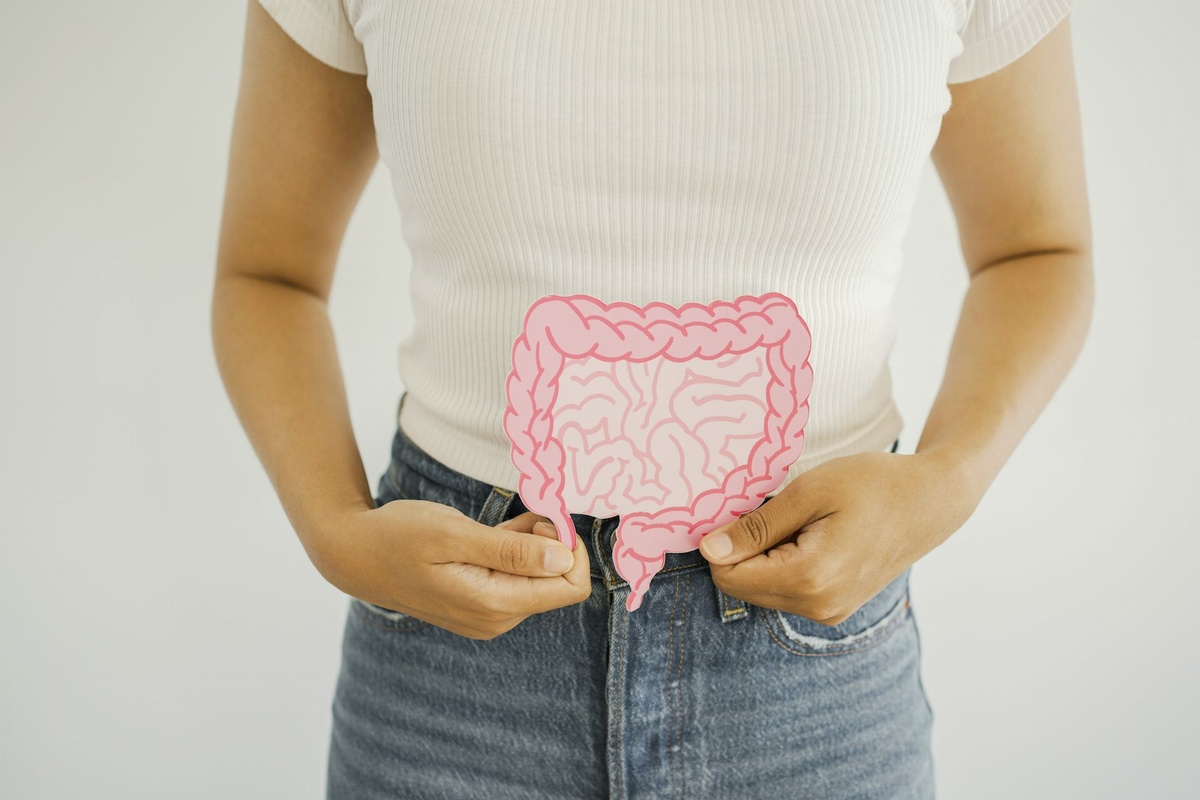
Inflammatory Bowel Disease May Accelerate Dementia

You have probably heard the phrase “follow your gut” – often used to mean trusting your instinct...

RFK Jr Is Wrong About MRNA Vaccines - They Make COVID-19 Less Deadly

US health secretary Robert F. Kennedy Jr has announced he is cancelling US$500 million (£374 million)...

User picture.
The ConversationRSS Feed of this column.

The Conversation is an independent source of news and views, funded by the academic and research community and delivered direct to the public. The Conversation launched in Australia in March 2011.... Read More »

Blogroll

Between 6 and 8 million people worldwide suffer from inflammatory bowel disease, a group of chronic intestinal disorders that can cause belly pain, urgent and frequent bowel movements, bloody stools and weight loss. New research suggests that a malfunctioning member of the patient’s own immune system called a killer T cell may be one of the culprits. This discovery may provide a new target for IBD medicines.

In recent years, the notion of an insect apocalypse has become a hot topic in the conservation science community and has captured the public’s attention. Scientists who warn that this catastrophe is unfolding assert that arthropods – a large category of invertebrates that includes insects – are rapidly declining, perhaps signaling a general collapse of ecosystems across the world.

As time passes, our fertility declines and our bodies start to fail. These natural changes are what we call ageing.

In recent decades, we’ve come leaps and bounds in treating and preventing some of the world’s leading age-related diseases, such as coronary heart disease, dementia and Alzheimer’s disease.

But some research takes an entirely unique view on the role of science in easing the burden of aging, focusing instead on trying to prevent it, or drastically slow it down. This may seem like an idea reserved mainly for cranks and science fiction writers, but it’s not.

It’s a common assumption that exercise in older people is difficult and dangerous, so it’s perhaps best avoided. But this is often not the case – even if these ideas are ingrained in society. Research has repeatedly shown that exercise in older adults is linked with lower disease risk, reduced risk of falls, and better overall health.

What does a pandemic smell like? If dogs could talk, they might be able to tell us.

We’re part of an international research team, led by Dominique Grandjean at France’s National Veterinary School of Alfort, that has been training detector dogs to sniff out traces of the novel coronavirus (SARS-CoV-2) since March.

Most adults will remember spending much of their childhood playing outdoors without much parental supervision. But fears for children’s safety plus the demands of modern life mean many parents don’t allow their children the same freedoms.