Fake Banner
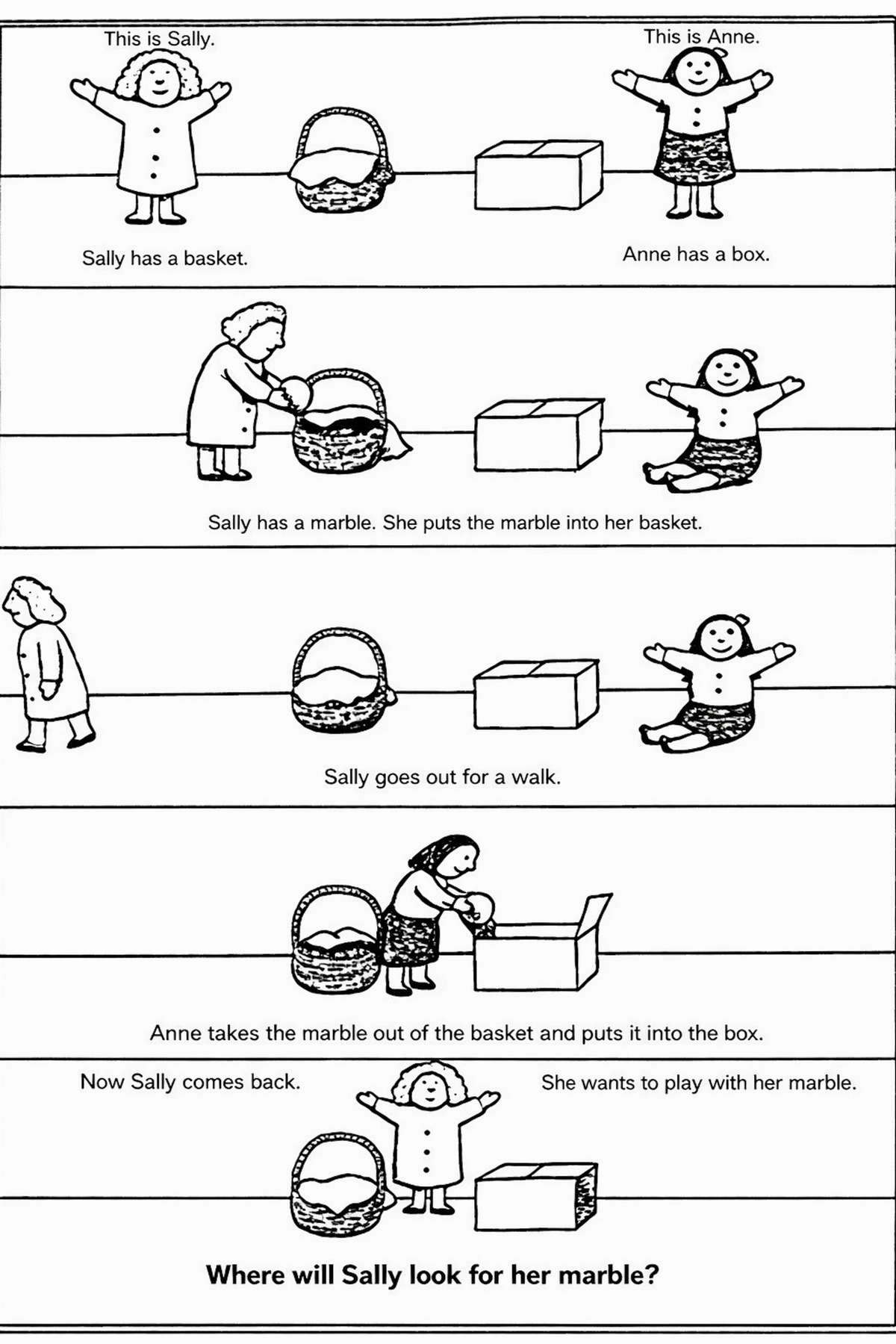
Theory Of Mind Is Wrong About Autistic People

For four decades, a controversial idea has shaped how autism is understood by researchers, healthcare...
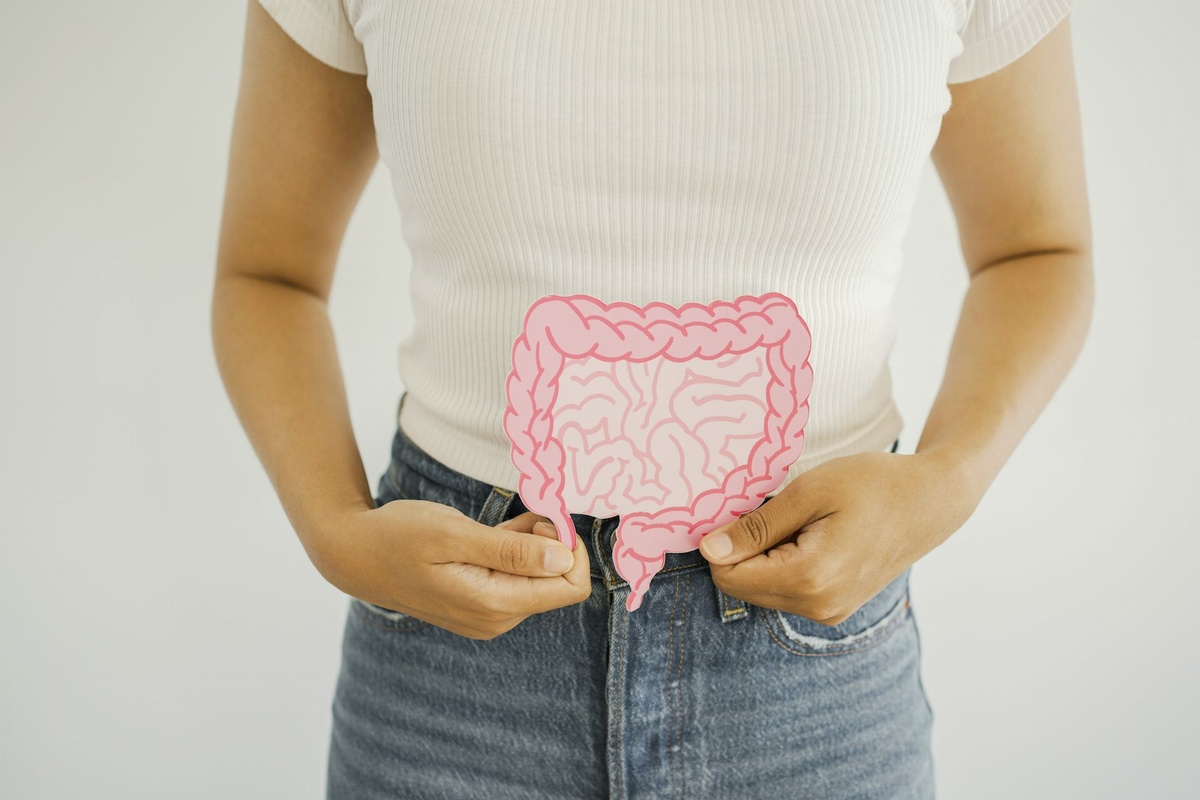
Bacteroides Fragilis May Be A Fifth Columnist Helping Colon Cancer In Your Body

The gut bacterium Bacteroides fragilis has long presented researchers with a paradox. It has been...
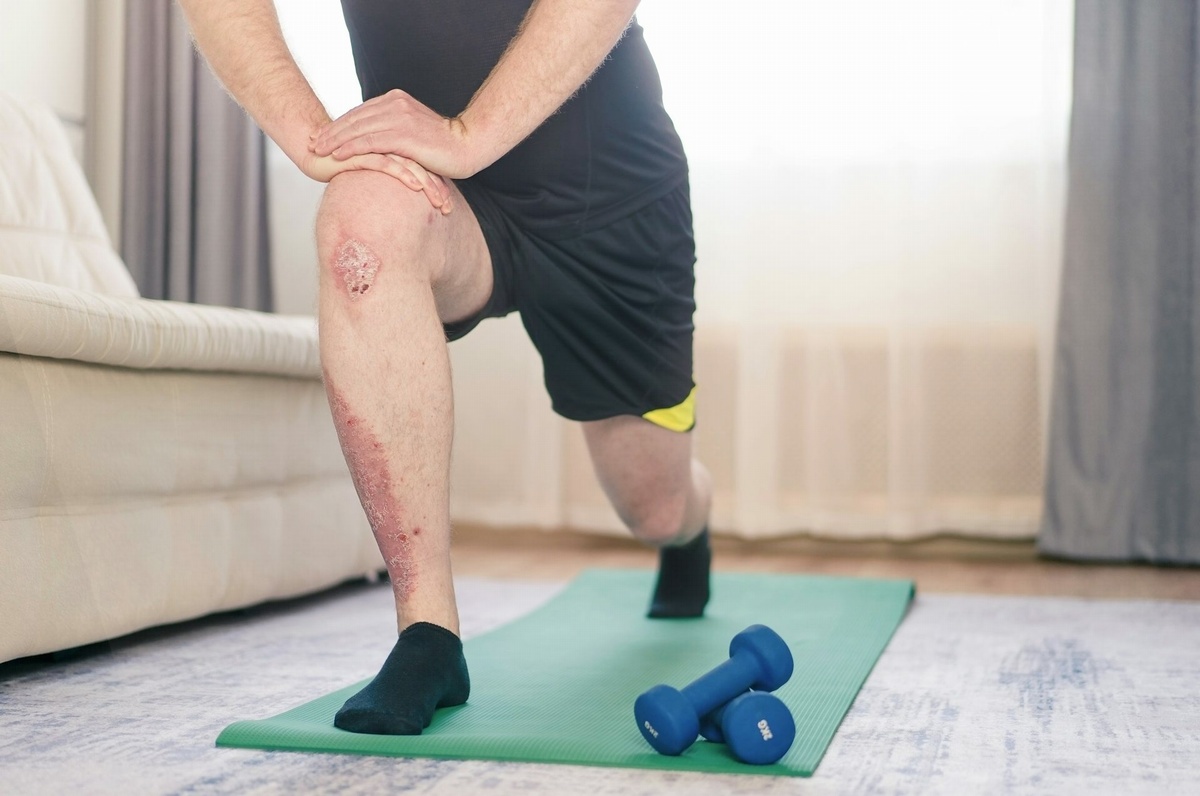
Losing Weight Improves The Heartbreak Of Psoriasis For Some

For many people living with psoriasis, the red, scaly skin patches are only part of the story....

Healthcare In Space - The First Medical Evacuation From The ISS

For the first time in 25 years of continuous crewed operations, an astronaut has been medically...

User picture.
The ConversationRSS Feed of this column.

The Conversation is an independent source of news and views, funded by the academic and research community and delivered direct to the public. The Conversation launched in Australia in March 2011.... Read More »

Blogroll

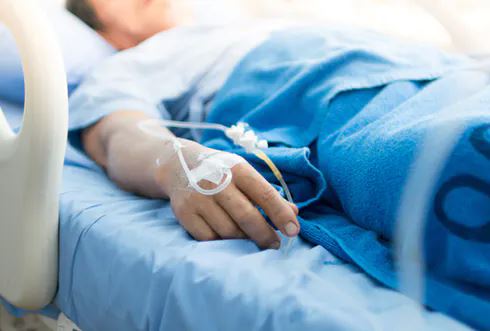
In late November 1999, a TV producer called me about an alarming report that 44,000 to 98,000 Americans were being killed each year by preventable errors in hospitals and another 1 million were being injured.

Could that be true? Based on my research, I replied, the estimate seemed low.

When it comes to news literacy, schools often emphasize fact-checking and hoax-spotting. But as I argue in my new book, schools must go deeper with how they teach the subject if they want to help students thrive in a democratic society.

As a new poll shows that Americans struggle to know if the information they find online is true, news literacy remains essential in student education.

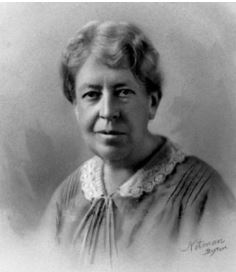
Ask anyone to name a philosopher and they’ll likely name a man. So, let’s turn the spotlight on three women: Mary Calkins, May Sinclair, and Hilda Oakeley. They each defended “idealism” – the idea that consciousness composes, or somehow pervades, the universe we live in.

Big consciousness theories are trending right now. Ecologists such as Suzanne Simard argue trees can “talk”, and philosophers such as Philip Goff argue elementary particles exhibit basic forms of consciousness. These women should be remembered as part of this blooming tradition.

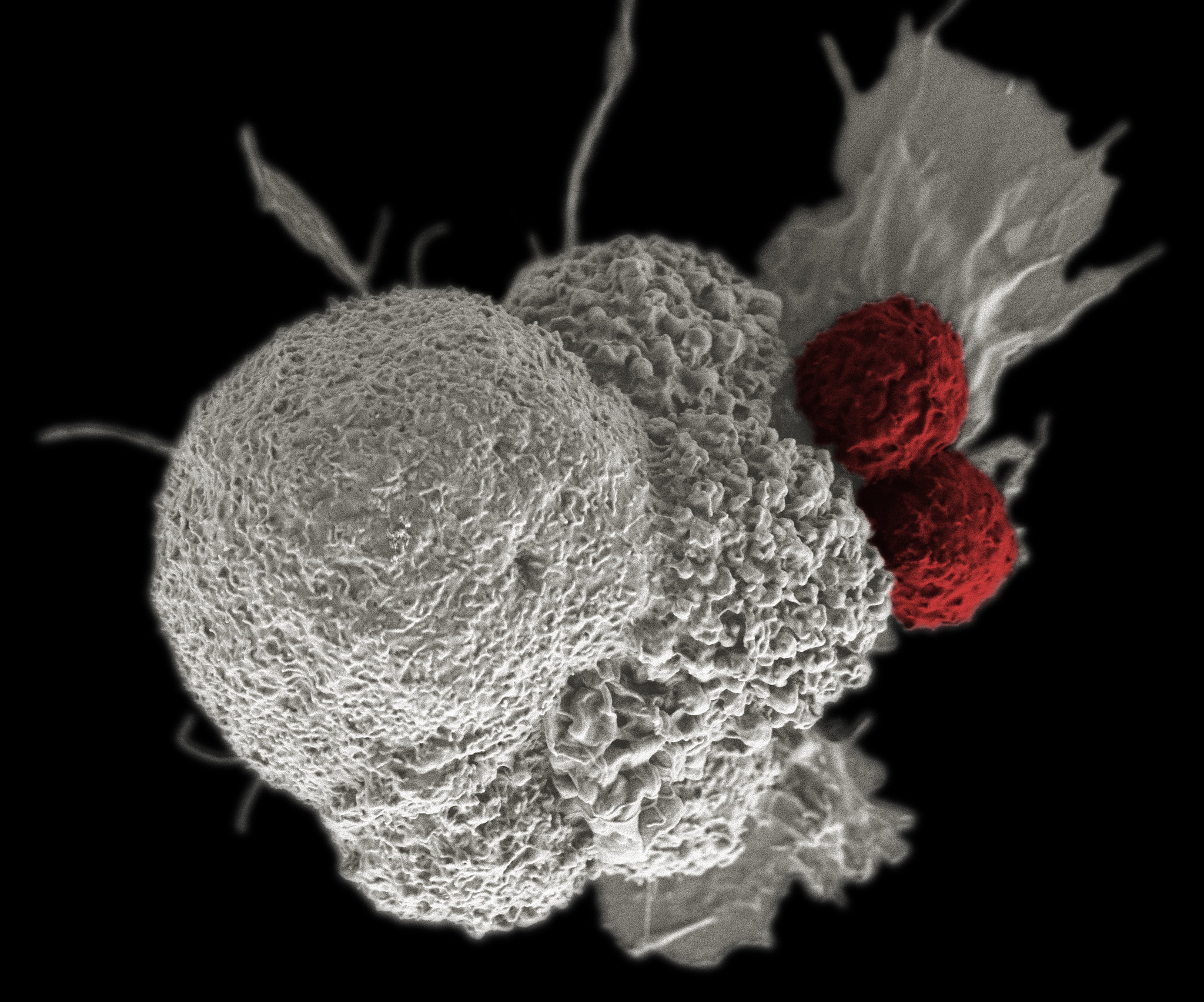
For the first time in the United States, a gene editing tool has been used to treat advanced cancer in three patients and showed promising early results in a pilot phase 1 clinical trial. So far the treatment appears safe, and more results are expected soon.

More than 200 million people around the world suffered from malaria in 2017. Over 400,000 died. The vast majority – around 90% – were in Africa, where many are all too familiar with the devastating impact of the disease. Young children and pregnant women are the most vulnerable.

Protective measures can help significantly to reduce the burden. This includes spraying with insecticides and using mosquito nets. But 100% coverage using these methods is impossible. Until the disease is eradicated, availability of effective treatments is critical.

As women started counting steps and walking to work wearing running shoes and fitness trackers, there was one work-related item that had to change: the briefcase. It’s not suited to walking fast and gets in the way of drinking coffee en route to the office. Enter the working women’s backpack. It’s a trend.

The Atlantic announced that this is the year professional women started wearing backpacks, even though some of us swear it’s been going on for a while. The sale of women’s backpacks is up by more than 20 per cent in the past year, but the sale of men’s backpacks has flat-lined.