Fake Banner
Deontological Decisions: Your Mother Tongue Never Leaves You

Ιf you asked a multilingual friend which language they find more emotional, the answer would usually...

Mummy Mia! Medicinal Cannibalism Was More Recent Than You Think

Why did people think cannibalism was good for their health? The answer offers a glimpse into the...

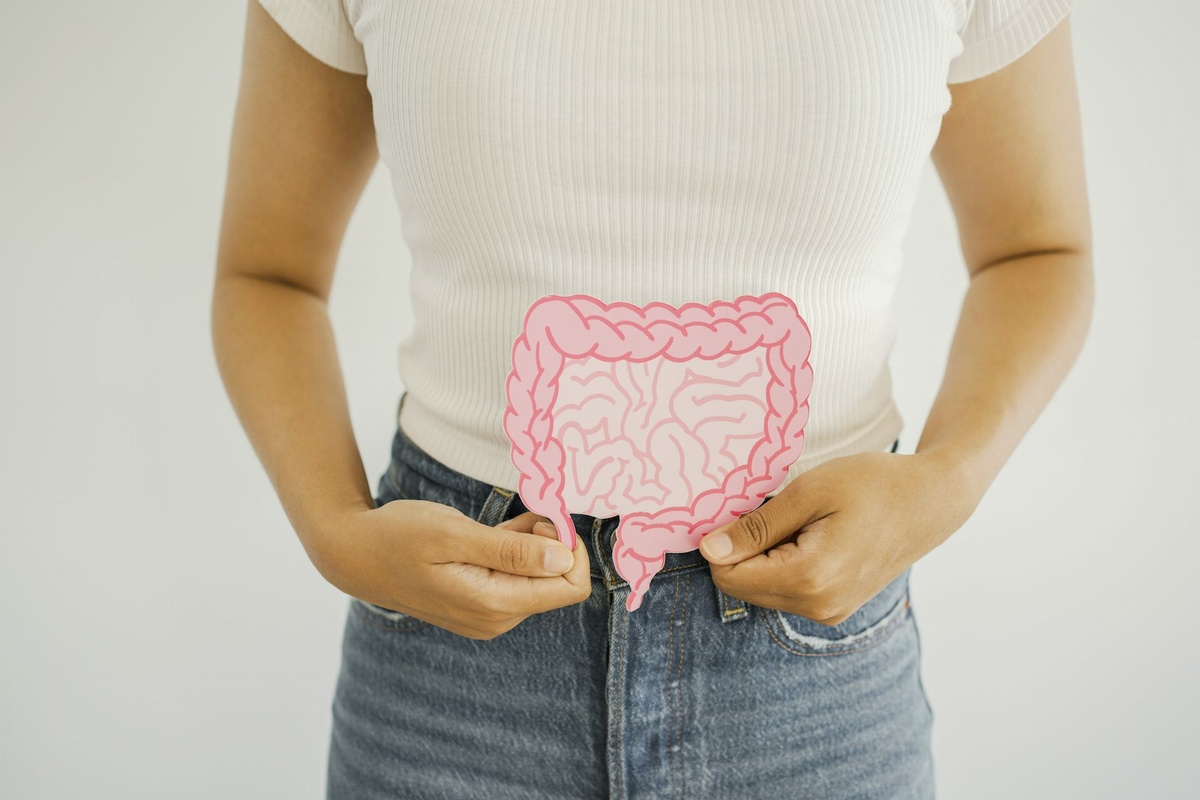
Inflammatory Bowel Disease May Accelerate Dementia

You have probably heard the phrase “follow your gut” – often used to mean trusting your instinct...

RFK Jr Is Wrong About MRNA Vaccines - They Make COVID-19 Less Deadly

US health secretary Robert F. Kennedy Jr has announced he is cancelling US$500 million (£374 million)...

User picture.
The ConversationRSS Feed of this column.

The Conversation is an independent source of news and views, funded by the academic and research community and delivered direct to the public. The Conversation launched in Australia in March 2011.... Read More »

Blogroll

Around the world thousands of people are on organ donor waiting lists. While some of those people will receive the organ transplants they need in time, the sad reality is that many will die waiting. But controversial new research may provide a way to address this crisis.

Japan has recently overturned its ban on the creation of human-animal hybrids, or “chimeras”, and approved a request by researchers from the University of Tokyo to create a human-mouse hybrid.


Since the first use of electric lamps in the 19th century, society hasn’t looked back. Homes and streets are lit at all hours so that people can go about their business when they’d once have been asleep. Besides the obvious benefits to societies and the economy, there’s growing awareness of the negative impact of artificial light.

Light pollution has been blamed for wasting energy, disrupting wildlife behavior and harming mental health. One aspect has avoided the spotlight though. Namely, that light not only allows one to see, but also to be seen. This could well attract unwelcome attention – and not just from moths.

Could Lyme disease in the U.S. be the result of an accidental release from a secret bioweapons experiment? Could the military have specifically engineered the Lyme disease bacterium to be more insidious and destructive – and then let it somehow escape the lab and spread in nature?

Is this why 300,000 Americans are diagnosed annually with this potentially debilitating disease?

Last week saw the release of the rebooted The Lion King, an attempt to capitalize on the billion-dollar success of the 1994 original. With a star-studded cast, the reboot closely follows the plot of the first movie (spoilers to follow, obviously).

Mufasa, king of the lions (and of every other creature in his territory), raises his son Simba to follow in his footsteps. But Mufasa is murdered by his jealous brother Scar, and his young heir is chased into the desert. Years pass, and eventually Simba reclaims his rightful place as the ruler of Pride Rock.

The Morrison government has introduced new legislation responding to recent protests by animal rights activists in Australia. The bill –named The Criminal Code Amendment (Agricultural Protection) Bill 2019 – will tighten up existing laws, creating harsher penalties for those who incite others to trespass on farms.

Minister for Agriculture Bridget McKenzie and Attorney-General Christian Porter have said this legislation will deliver on the government’s

Do you feel like nutritionists are always changing their minds? Do you want science-based information about diet but don’t know whom or what to believe?

If you’re nodding in agreement, you’re not alone: More than 80% of Americans are befuddled.

Yet it’s a lament that’s getting quite tiring – if you’re a nutrition scientist, that is. So much so that I refocused my career to shine scientific light on today’s critical food conversations, which have profound impacts on public health and the environment. My mantra: From farm to fork, what we eat matters.