Fake Banner
Deontological Decisions: Your Mother Tongue Never Leaves You

Ιf you asked a multilingual friend which language they find more emotional, the answer would usually...

Mummy Mia! Medicinal Cannibalism Was More Recent Than You Think

Why did people think cannibalism was good for their health? The answer offers a glimpse into the...

Inflammatory Bowel Disease May Accelerate Dementia

You have probably heard the phrase “follow your gut” – often used to mean trusting your instinct...

RFK Jr Is Wrong About MRNA Vaccines - They Make COVID-19 Less Deadly

US health secretary Robert F. Kennedy Jr has announced he is cancelling US$500 million (£374 million)...

User picture.
The ConversationRSS Feed of this column.

The Conversation is an independent source of news and views, funded by the academic and research community and delivered direct to the public. The Conversation launched in Australia in March 2011.... Read More »

Blogroll

While definitions vary, to “cancel” in today’s lingo means to remove people and cultural products from consumption and popular conversation. This is done in light of actions that make them unworthy of praise or critique.

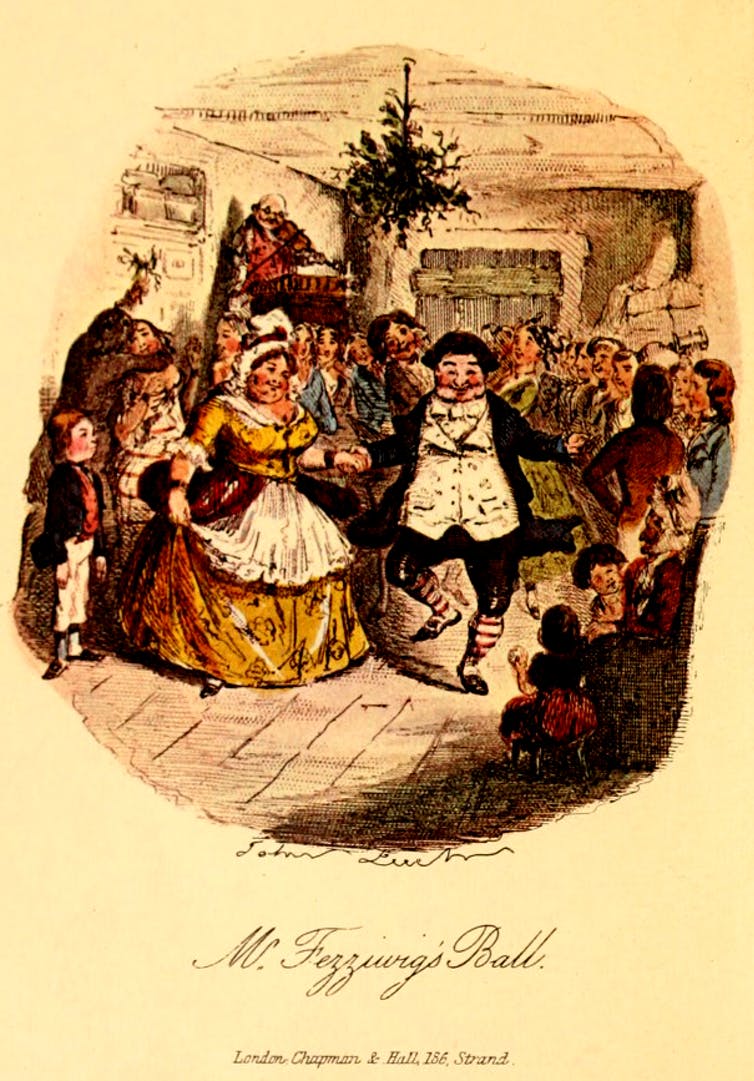
Christmas and mistletoe: have you ever simply asked yourself … why? I have studied plant parasites like mistletoe for almost ten years, and I’m here to tell you that the answer is absolutely fascinating.

In Norse mythology, Baldur (younger brother to magic-hammer-wielding Thor), was the subject of a premonition from his mother Frigg, who could see the future: he would be killed. Frigg tackled this head on, extracting an oath from every object on Earth, to avoid harming her son. This was agreeable to all … except mistletoe, which was overlooked.

The holiday season brings up memories and emotions for people of all ages, but elders are often overlooked. This time of year also can provide an opportunity to become more alert to signs of elder abuse, aware of how to help and available to begin sincere conversations with older adults about their perceptions of abuse and the remedies they recommend.

Medieval doctors had to acquire a range of skills including an ability to read Latin texts, a working knowledge of the bodily “humours” and an understanding of the rudiments of blood circulation. Their diagnostic techniques were largely limited to examining a patient’s urine: they could match the colour of the urine to that on a chart, such as one now in the Bodleian Library, which offers an alarming spectrum of hues. After diagnosis, one of the most important treatments was bloodletting, for which physicians used detailed astrological charts.

In late November 1999, a TV producer called me about an alarming report that 44,000 to 98,000 Americans were being killed each year by preventable errors in hospitals and another 1 million were being injured.

Could that be true? Based on my research, I replied, the estimate seemed low.

When it comes to news literacy, schools often emphasize fact-checking and hoax-spotting. But as I argue in my new book, schools must go deeper with how they teach the subject if they want to help students thrive in a democratic society.

As a new poll shows that Americans struggle to know if the information they find online is true, news literacy remains essential in student education.