Fake Banner
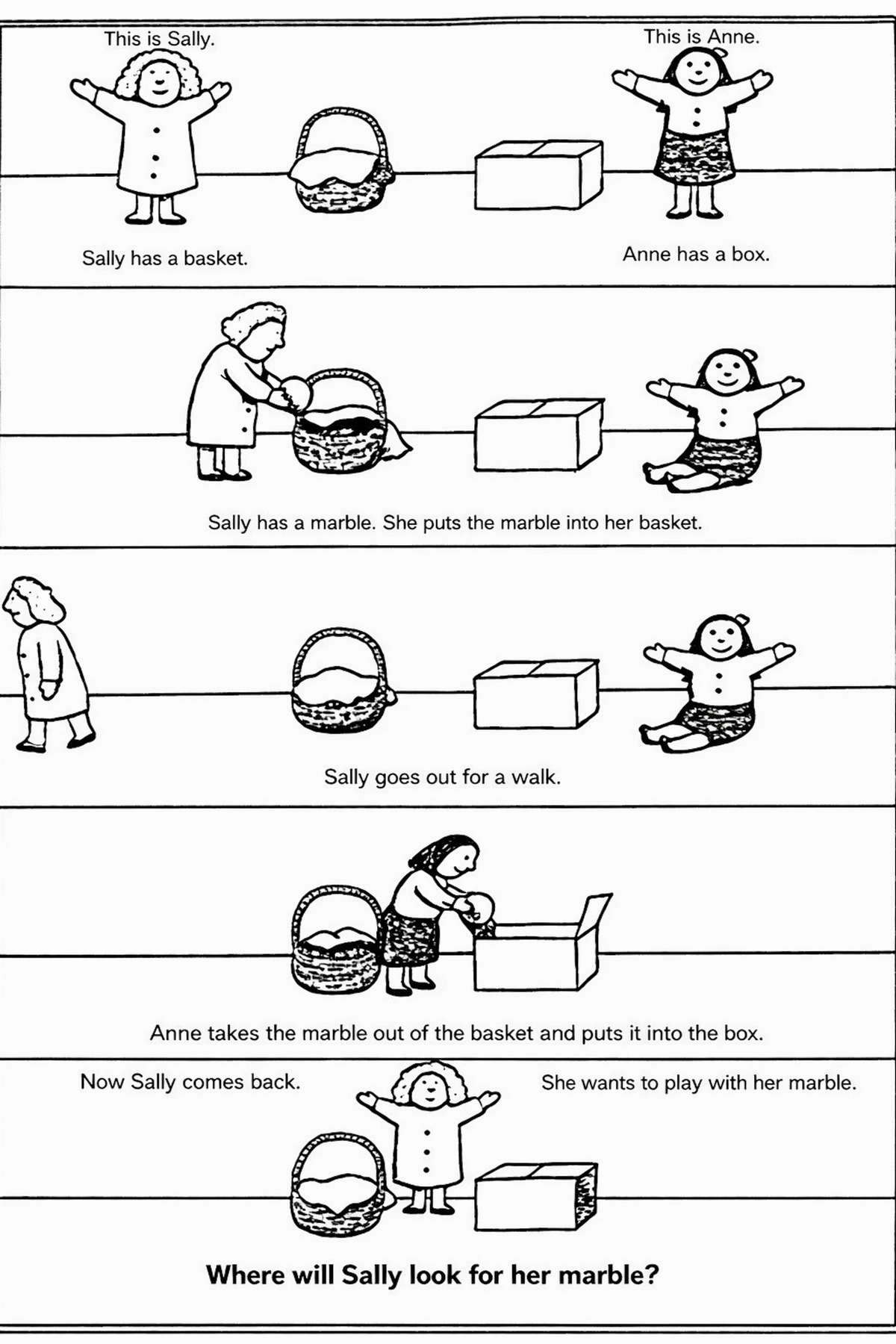
Theory Of Mind Is Wrong About Autistic People

For four decades, a controversial idea has shaped how autism is understood by researchers, healthcare...
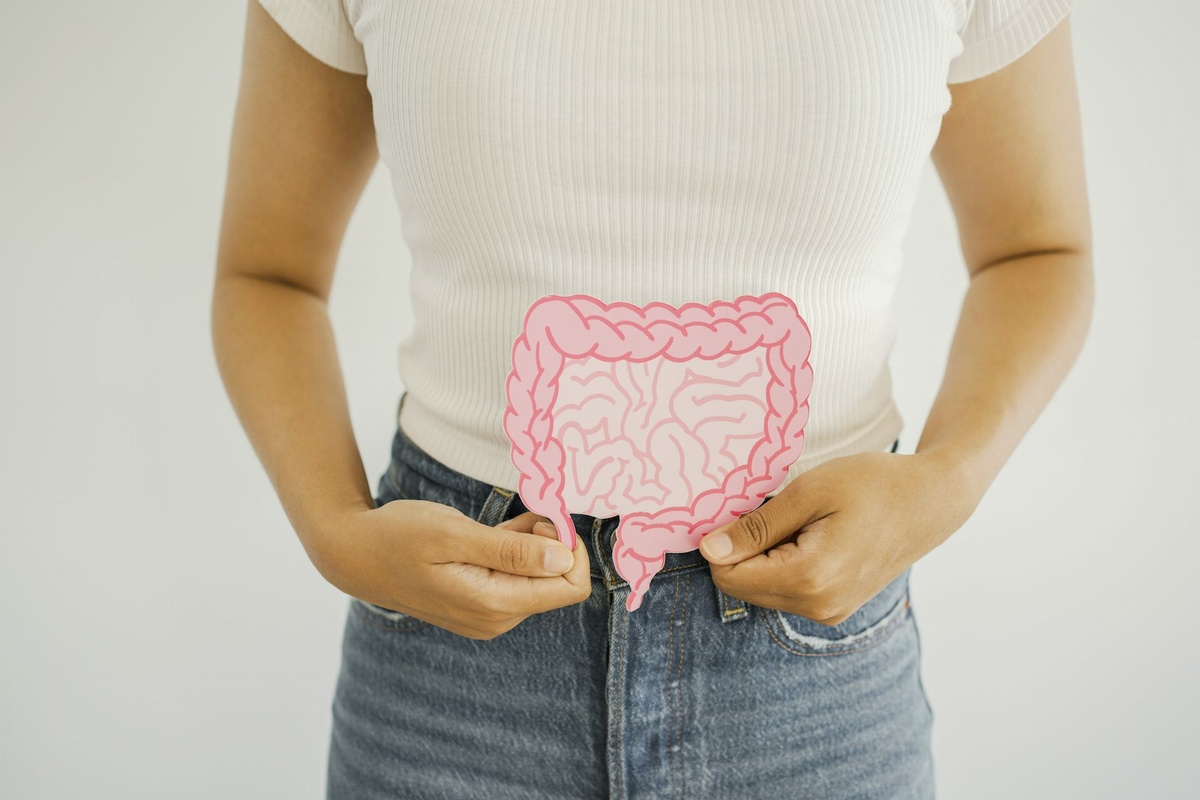
Bacteroides Fragilis May Be A Fifth Columnist Helping Colon Cancer In Your Body

The gut bacterium Bacteroides fragilis has long presented researchers with a paradox. It has been...
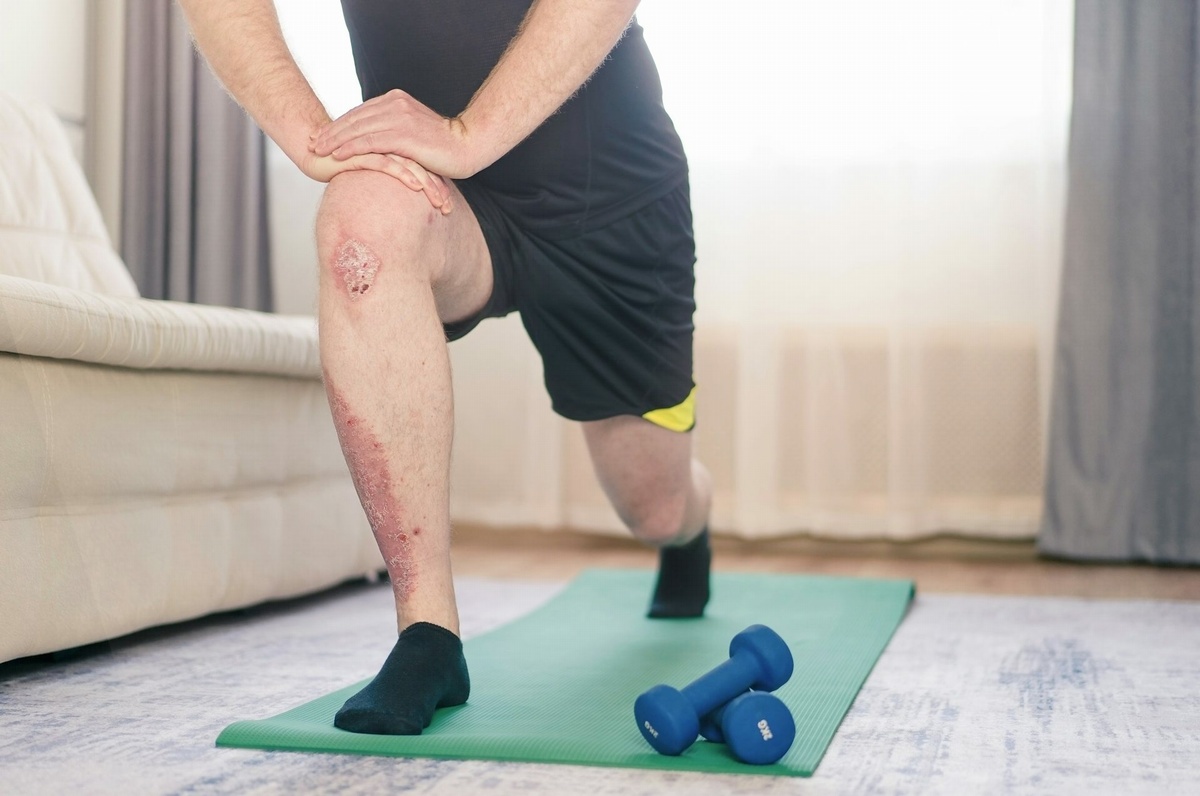
Losing Weight Improves The Heartbreak Of Psoriasis For Some

For many people living with psoriasis, the red, scaly skin patches are only part of the story....
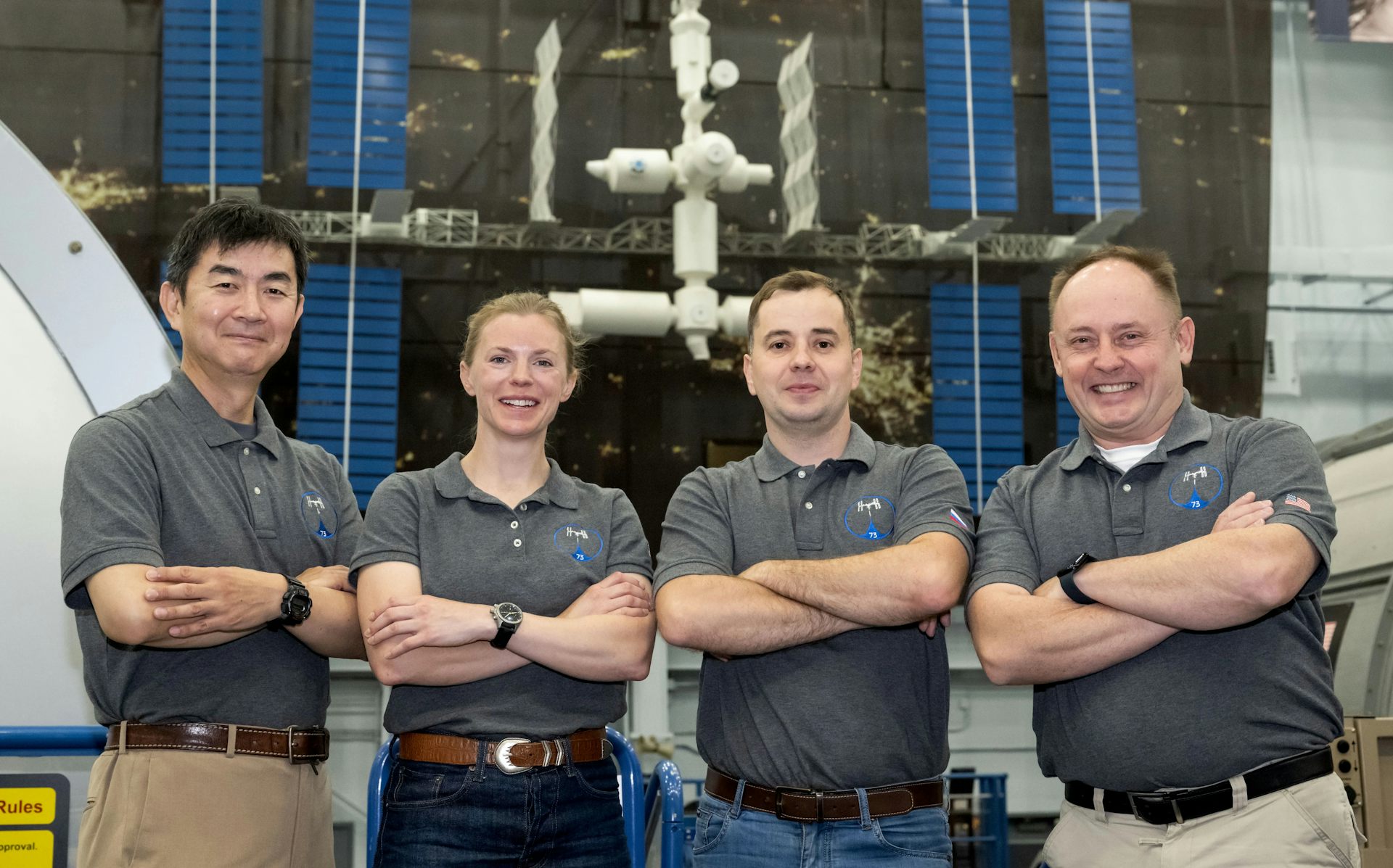
Healthcare In Space - The First Medical Evacuation From The ISS

For the first time in 25 years of continuous crewed operations, an astronaut has been medically...

User picture.
The ConversationRSS Feed of this column.

The Conversation is an independent source of news and views, funded by the academic and research community and delivered direct to the public. The Conversation launched in Australia in March 2011.... Read More »

Blogroll

Illegal firearm trafficking is inseparable from the illegal drug trade: Weapons are often bought with drug money, can strengthen cartels and can be traded for drugs.

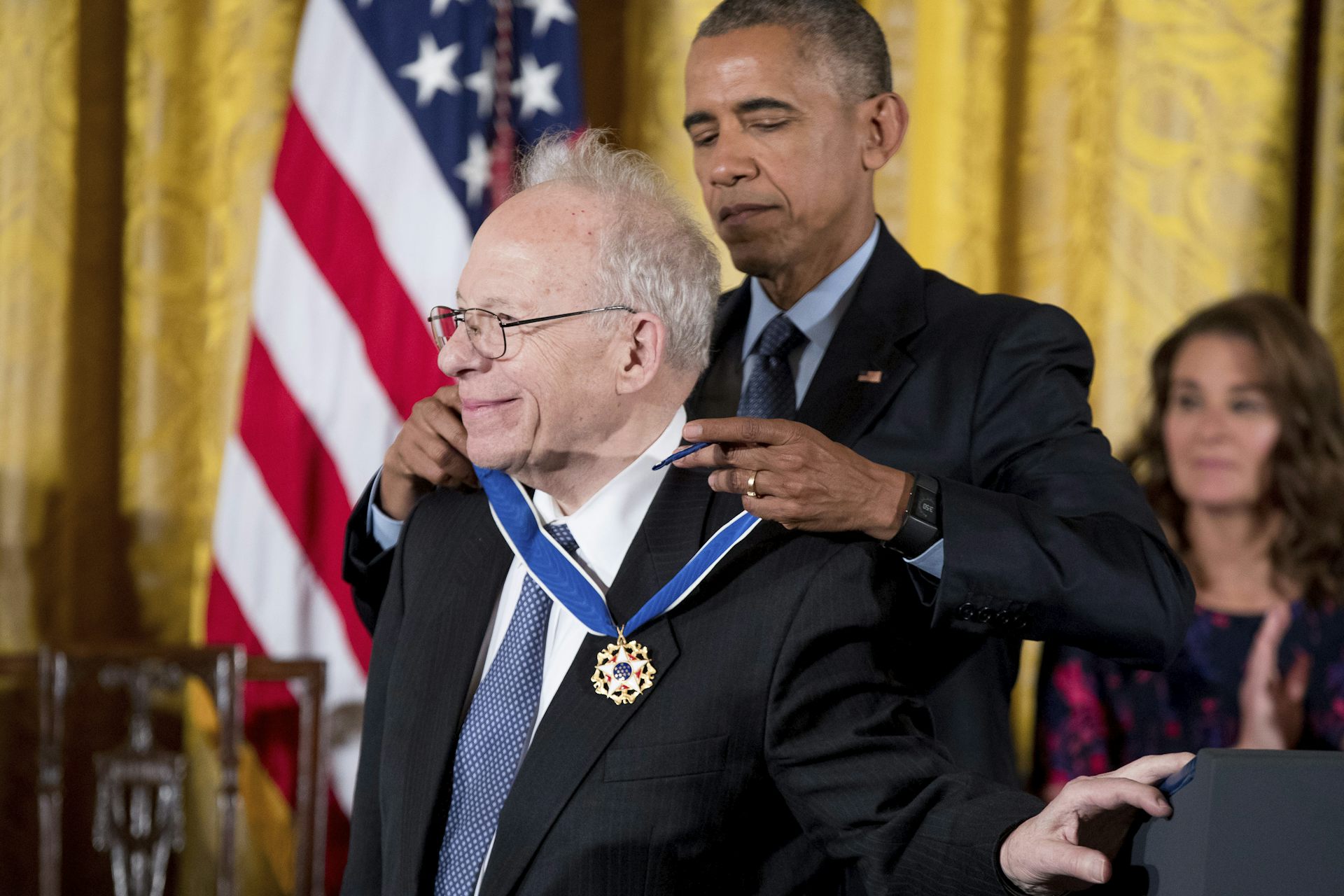
Richard Garwin, who died on May 13, 2025, at the age of 97, was sometimes called “the most influential scientist you’ve never heard of.” He got his Ph.D. in physics at 21 under Enrico Fermi – a Nobel Prize winner and friend of Einstein’s – who called Garwin “the only true genius” he’d ever met.

Over the last decade, there has been growing international focus on the role of food in conflict, particularly in Africa. The continent has seen an increase in jihadist terrorism in several regions.

Violence, like that exercised by terrorist organisations, is linked with food security conditions, causing a vicious circle of hunger and conflict.

Terrorism generates food disruptions. It undermines production systems and supply routes.

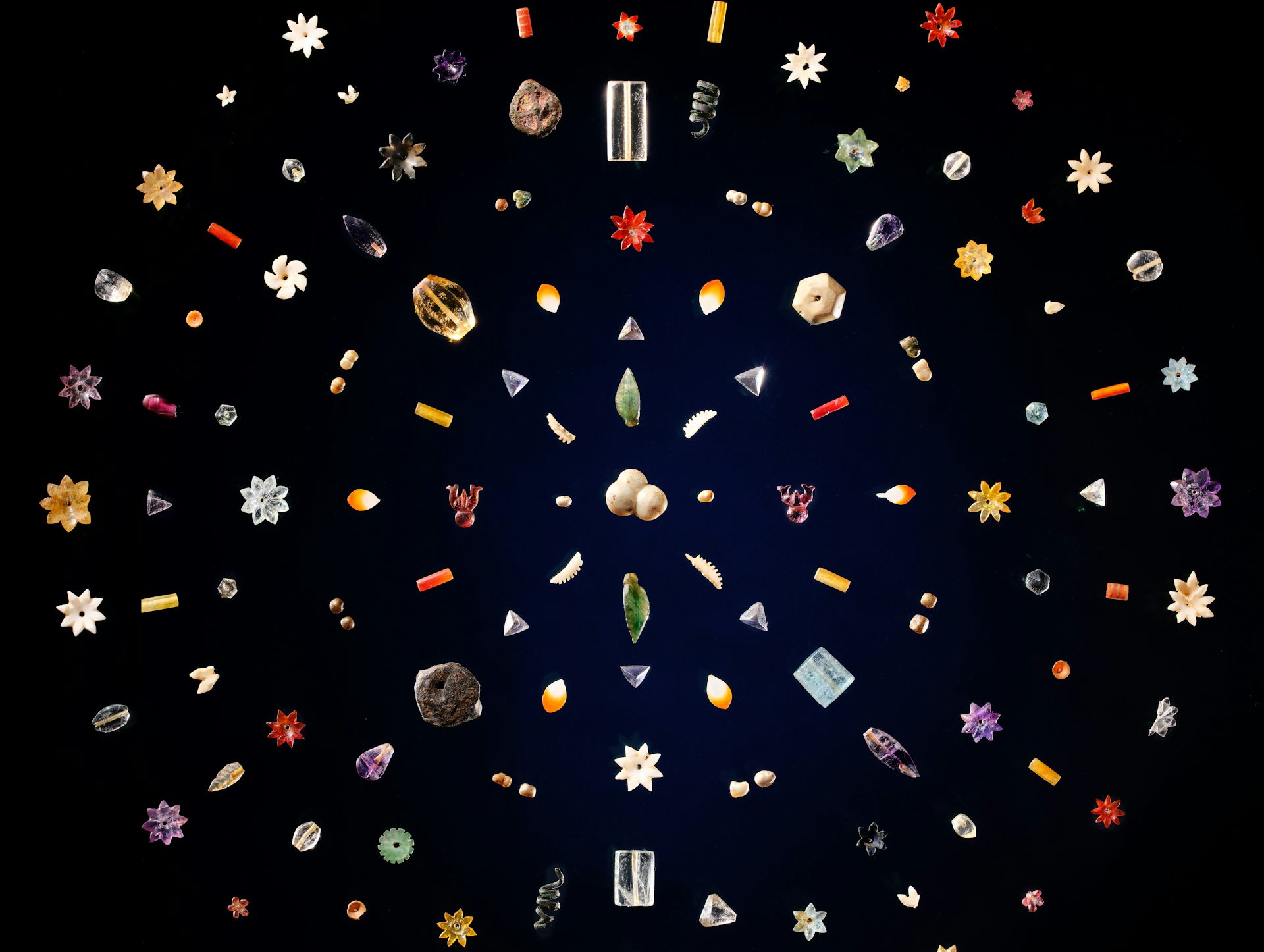
Almost 2,000 years ago in modern-day Uttar Pradesh, India, someone deposited a cache of gems inside a reliquary (a container for holy relics), along with some bone fragments and ash. The gems were precious, but the bones and ash even more so, for according to an inscription on the reliquary, they belonged to Siddhartha Gautama, the Buddha.

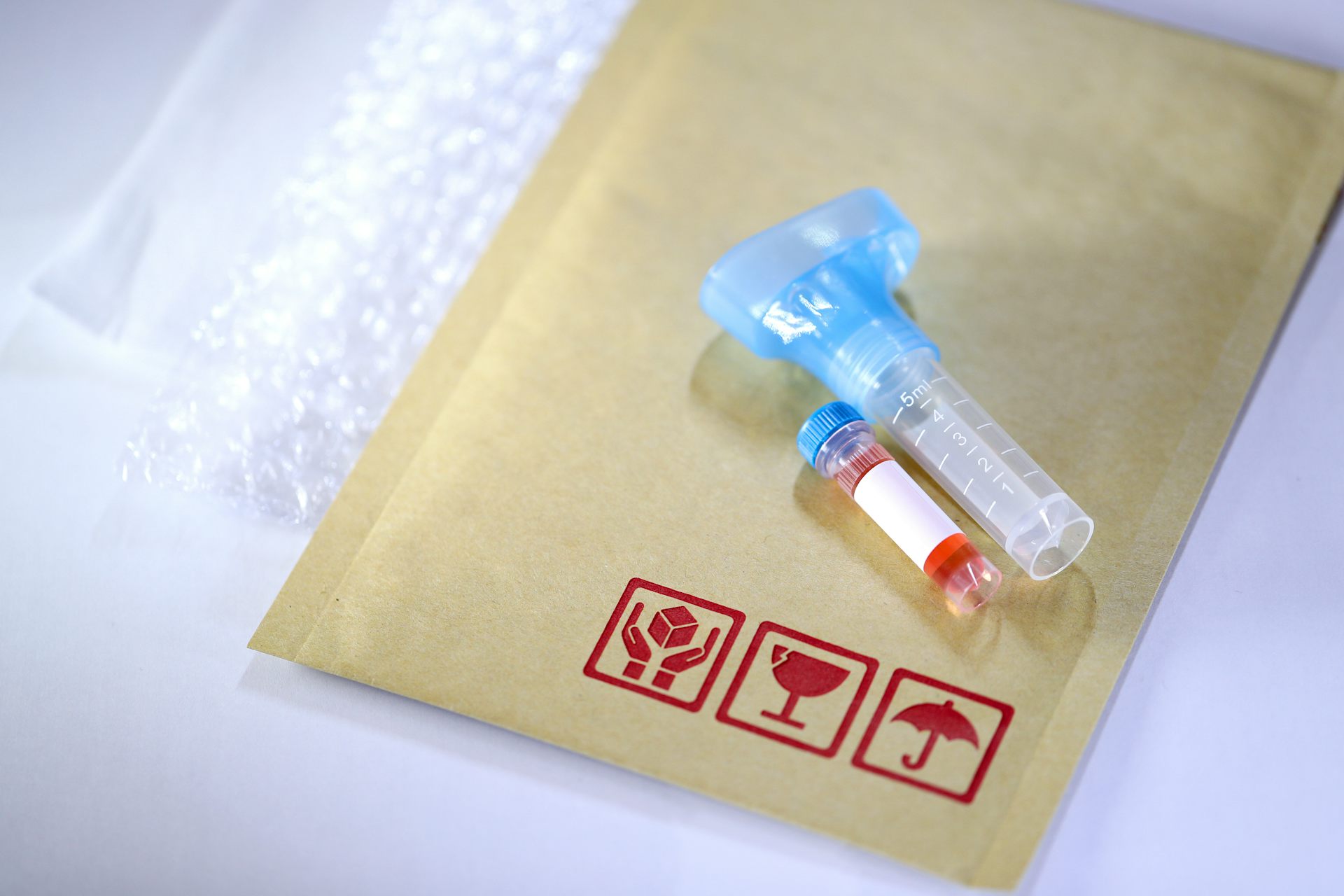
A few drops of saliva can now reveal what used to require a scalpel, a syringe or a scan.

Scientists have developed ways to analyze spit for the tiniest traces of illness – from mouth cancer to diabetes, and even brain diseases like Alzheimer’s.

Unlike blood tests or biopsies, saliva is easy to collect, painless and inexpensive. During the COVID pandemic, some countries used saliva-based testing for rapid screening.

As the Trump administration continues to make significant cuts to NIH budgets and personnel and to freeze billions of dollars of funding to major research universities – citing ideological concerns – there’s more being threatened than just progress in science and medicine. Something valuable but often overlooked is also being hit hard: preventing research abuse.