Fake Banner
Deontological Decisions: Your Mother Tongue Never Leaves You

Ιf you asked a multilingual friend which language they find more emotional, the answer would usually...

Mummy Mia! Medicinal Cannibalism Was More Recent Than You Think

Why did people think cannibalism was good for their health? The answer offers a glimpse into the...

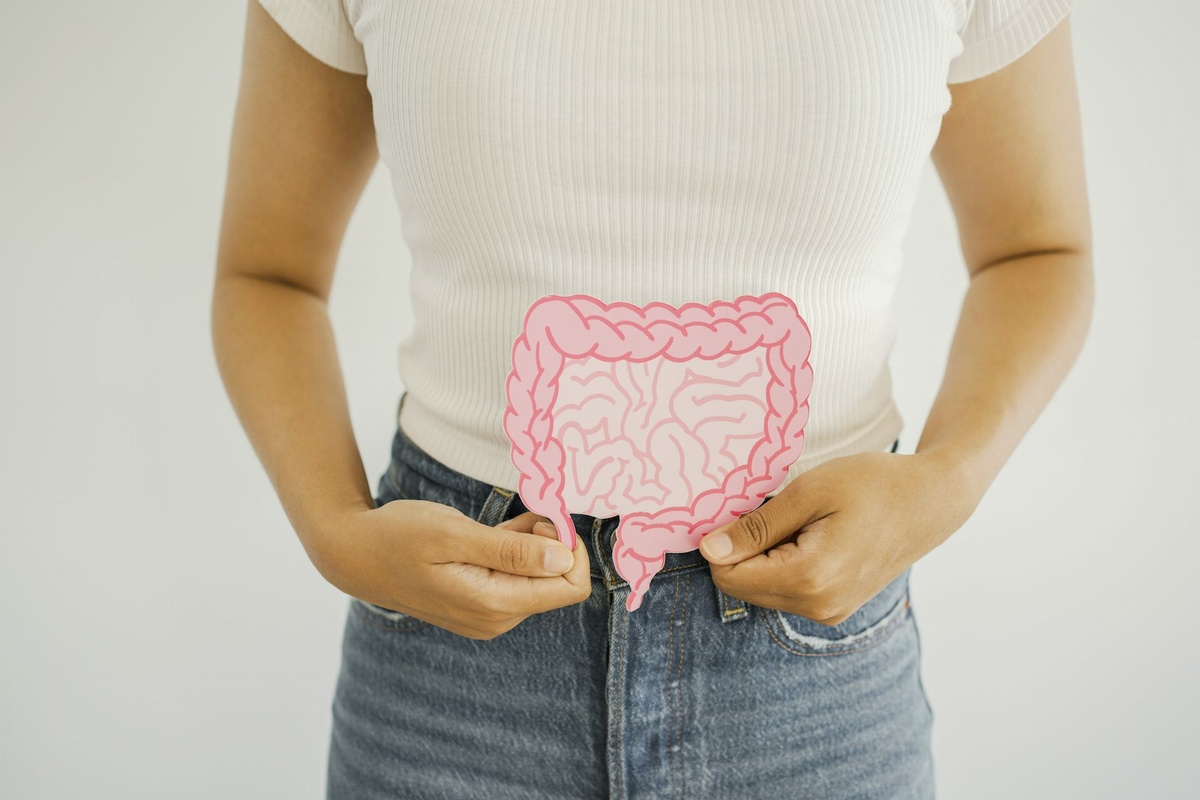
Inflammatory Bowel Disease May Accelerate Dementia

You have probably heard the phrase “follow your gut” – often used to mean trusting your instinct...

RFK Jr Is Wrong About MRNA Vaccines - They Make COVID-19 Less Deadly

US health secretary Robert F. Kennedy Jr has announced he is cancelling US$500 million (£374 million)...

User picture.
The ConversationRSS Feed of this column.

The Conversation is an independent source of news and views, funded by the academic and research community and delivered direct to the public. The Conversation launched in Australia in March 2011.... Read More »

Blogroll

Once upon a time we all knew what censorship was, who the good and bad guys were, and what could be done to make the world a better place. Look up the noun “censor” in the Oxford English Dictionary and you’ll find an outline of a much-told story under definition 2 (b):

“An official in some countries whose duty it is to inspect all books, journals, dramatic pieces, etc, before publication, to secure that they shall contain nothing immoral, heretical, or offensive to the government.”

Attributing the first instance of this usage to the English poet John Milton, the lexicographers illustrated it with a quotation from his anti-censorship pamphlet, Areopagitica (1644):

Where do the Jewish people come from? This is a question that anthropologists, historians and theologists have studied for millennia.

According to mythology, the Judaeans descended from three patriarchs, Abraham, Isaac, and Jacob, who are buried in the Cave of the Patriarchs (Cave of Machpelah) in Hebron – a city in the Palestine region and a world heritage site located in the southern West Bank, 19 miles south of Jerusalem.

The worst effects of the UK’s housing crisis include rising levels of homelessness, and growing numbers of people being housed in unsafe or overcrowded conditions. According to the charity Crisis, 59,890 households were accepted as homeless in England in 2017. And according to recent statistics, 27% of privately rented homes and 13% of homes in the social housing sector are not classed as “decent”.

The Federal Court of Appeal decision that halted construction on the Trans Mountain Pipeline expansion has thrown Canada into a tizzy.

While British Columbia First Nations and environmentalists are celebrating a rare court victory on this project, industry representatives, trade unions and many other First Nations who supported the expansion feel the decision is a nightmarish intervention in plans that were many years in the making.

At the time of writing, 436 people have died following an earthquake in the Indonesian island of Lombok. A further 2,500 people have been hospitalized with serious injuries and over 270,000 people have been displaced.

As lifestyles in the UK have become more stressful and pressurized, people have started to look at alternative ways to live. Some are now seeking out more of a community feel to their home lives, exploring the option of joining an “intentional community”.