Fake Banner
Theory Of Mind Is Wrong About Autistic People

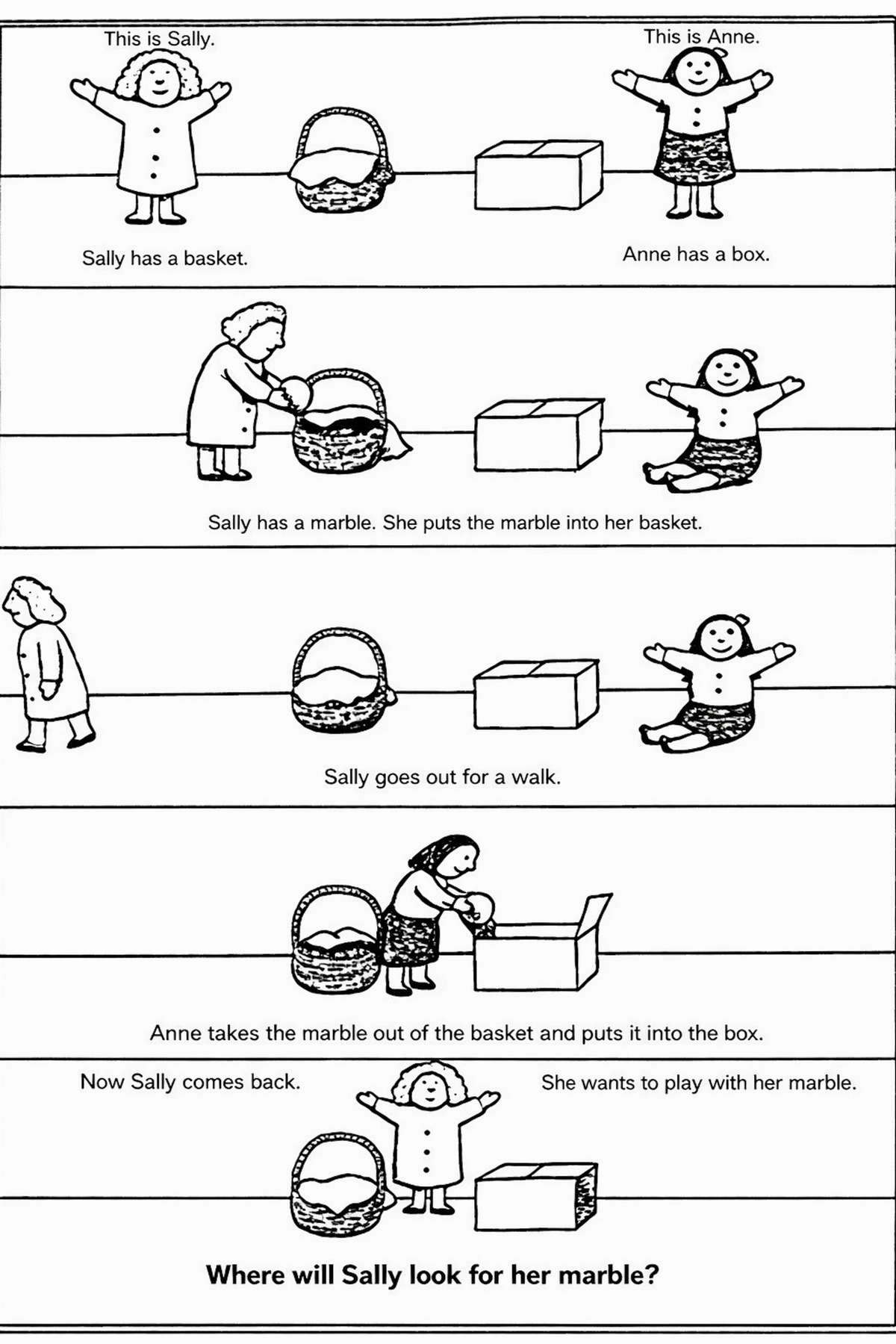
For four decades, a controversial idea has shaped how autism is understood by researchers, healthcare...
Bacteroides Fragilis May Be A Fifth Columnist Helping Colon Cancer In Your Body

The gut bacterium Bacteroides fragilis has long presented researchers with a paradox. It has been...

Losing Weight Improves The Heartbreak Of Psoriasis For Some

For many people living with psoriasis, the red, scaly skin patches are only part of the story....

Healthcare In Space - The First Medical Evacuation From The ISS

For the first time in 25 years of continuous crewed operations, an astronaut has been medically...

User picture.
The ConversationRSS Feed of this column.

The Conversation is an independent source of news and views, funded by the academic and research community and delivered direct to the public. The Conversation launched in Australia in March 2011.... Read More »

Blogroll

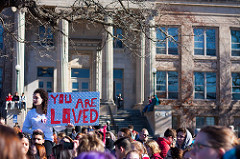
Suicide rates in the U.S. have increased nearly 30 percent in less than 20 years, the Centers for Disease Control and Prevention reported June 7. These mind-numbing statistics were released the same week two very famous, successful and beloved people committed suicide – Kate Spade, a tremendous entrepreneur, trendsetter and fashion icon, and Anthony Bourdain, a distinguished chef and world traveler who took us on gastronomic journeys to all corners of the world through his TV shows.

“Diversity” as a concept has a lexical and political value all its own, with a widespread appeal. The problem with that is, however, that no one actually has the same idea of what diversity actually means. There is some consensus that the concept has, over time, morphed into something that it was not originally intended to be. Denise Green’s 2004 study looks at the University of Michigan’s response to a 1997 affirmative action case, and argues that legal precedents such as this one moved the cursor away from social and racial justice towards a narrower, simplified idea about diversity.

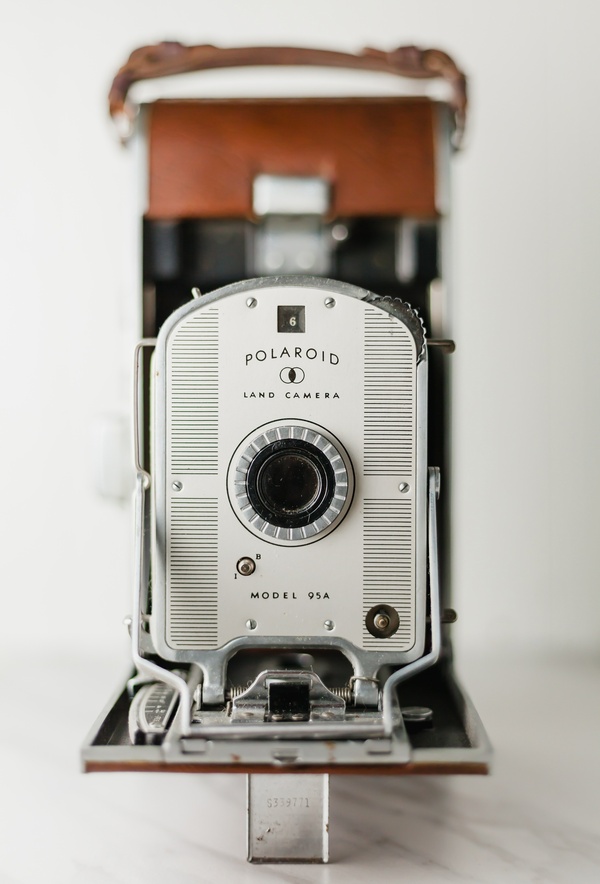
It probably happens every minute of the day: A little girl demands to see the photo her parent has just taken of her. Today, thanks to smartphones and other digital cameras, we can see snapshots immediately, whether we want to or not.

But in 1944 when 3-year-old Jennifer Land asked to see the family vacation photo that her dad had just taken, the technology didn’t exist.

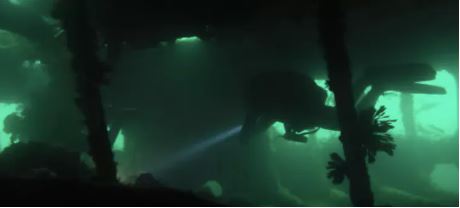
Across the North Atlantic, shipwrecks scatter the seabed like the carcasses of prehistoric creatures. Bygone relics of sea exploration, trade, migration and conflict, these historical monuments are important sites of cultural interest. But they also form the basis of a burgeoning recreational dive tourism industry, and contribute substantially to the biodiversity and abundance of marine life.

The dancer, actress, director and photographer Helene “Leni” Riefenstahl, who died in 2003, is a controversial character, largely because of the many propaganda movies she produced for the Nazis. So when it was recently announced that her estate would be handed over to a Berlin photography museum, historians of the period hoped to find some clarification about the extent of her involvement with the Nazi regime.

Cancer has always been thought of as something that grows rapidly and uncontrollably, but this view may be wrong.
New evidence suggests that cancer alternatively uses the “accelerator” and the “brake” in order to survive.