Fake Banner
Deontological Decisions: Your Mother Tongue Never Leaves You

Ιf you asked a multilingual friend which language they find more emotional, the answer would usually...

Mummy Mia! Medicinal Cannibalism Was More Recent Than You Think

Why did people think cannibalism was good for their health? The answer offers a glimpse into the...

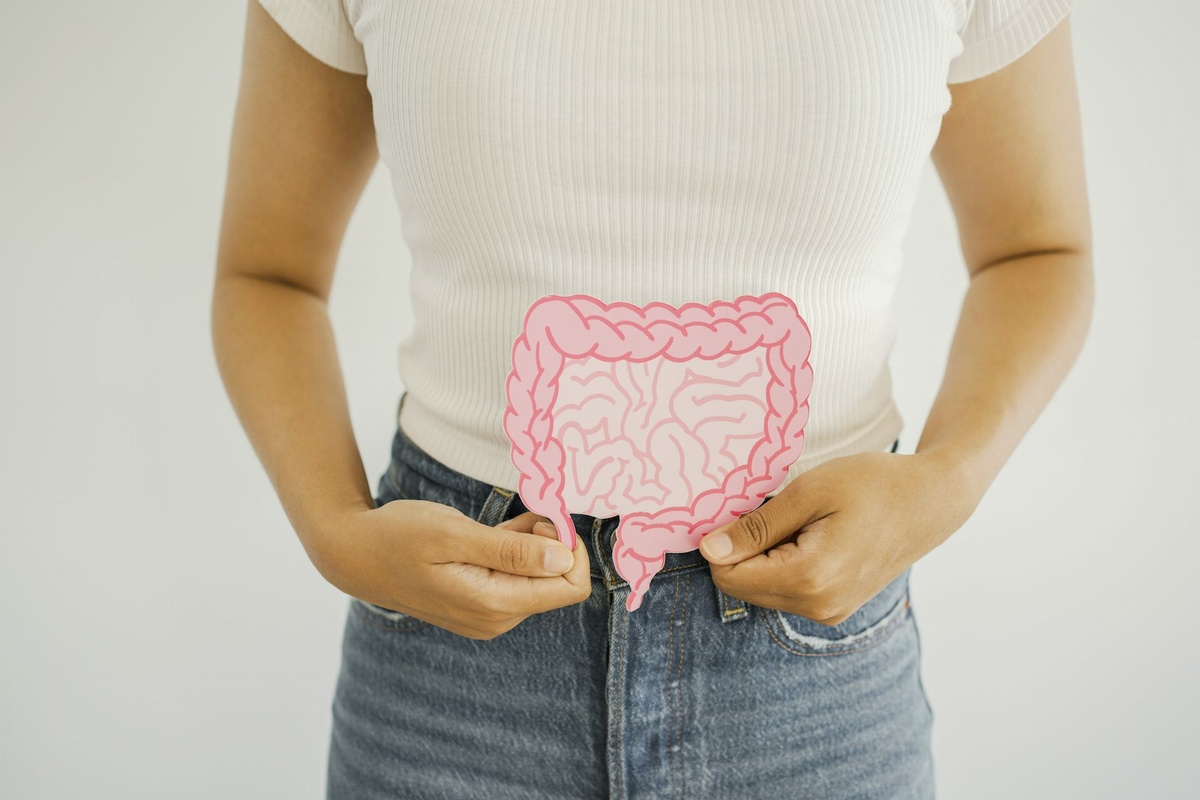
Inflammatory Bowel Disease May Accelerate Dementia

You have probably heard the phrase “follow your gut” – often used to mean trusting your instinct...

RFK Jr Is Wrong About MRNA Vaccines - They Make COVID-19 Less Deadly

US health secretary Robert F. Kennedy Jr has announced he is cancelling US$500 million (£374 million)...

User picture.
The ConversationRSS Feed of this column.

The Conversation is an independent source of news and views, funded by the academic and research community and delivered direct to the public. The Conversation launched in Australia in March 2011.... Read More »

Blogroll

Comic books of the 1950s and 1960s made a point of their potential to terrify, with anthologies from Entertaining Comics, such as Haunt of Fear, Vault of Horror, and Tales of the Crypt, boasting covers with straplines such as “Within these pages dwell creatures from the terrifying beyond!”

As the scale and impacts of climate change become increasingly alarming, meat is a popular target for action. Advocates urge the public to eat less meat to save the environment. Some activists have called for taxing meat to reduce consumption of it.

A key claim underlying these arguments holds that globally, meat production generates more greenhouse gases than the entire transportation sector. However, this claim is demonstrably wrong, as I will show. And its persistence has led to false assumptions about the linkage between meat and climate change.

In the early days of industrial capitalism there were no protections for workers, and industrialists took their profits with little heed to anyone else. Following the growth of the labour movement, the establishment of trade unions and the founding of the welfare state in the first half of the 20th century, corporations in decades after World War II embraced a more open, stakeholder capitalism, where profits were shared between employees, managers and shareholders. This led to a flourishing middle class as workers and communities benefited from the success of the corporations of which they were part.

Over the past few days, the mathematics world has been abuzz over the news that Sir Michael Atiyah, the famous Fields Medalist and Abel Prize winner, claims to have solved the Riemann hypothesis.

Supreme Court nominee Brett Kavanaugh’s actions as a teenager are at the center of a public firestorm.

“I’ve been really troubled by the excuse offered by too many that this was a high school incident, and ‘boys will be boys,’ said Sen. Chris Coons during testimony by Christine Blasey Ford before the Senate Judiciary Committee on Sept. 27.

But Trump surrogates such as Kellyanne Conway have dismissed his actions are merely those of a "teenager.” The adult Kavanaugh cannot be held accountable, such logic goes, for these alleged youthful indiscretions.

Should we be afraid of artificial intelligence? For me, this is a simple question with an even simpler, two letter answer: no. But not everyone agrees – many people, including the late physicist Stephen Hawking, have raised concerns that the rise of powerful AI systems could spell the end for humanity.

Clearly, your view on whether AI will take over the world will depend on whether you think it can develop intelligent behavior surpassing that of humans – something referred to as “super intelligence”. So let’s take a look at how likely this is, and why there is much concern about the future of AI.