

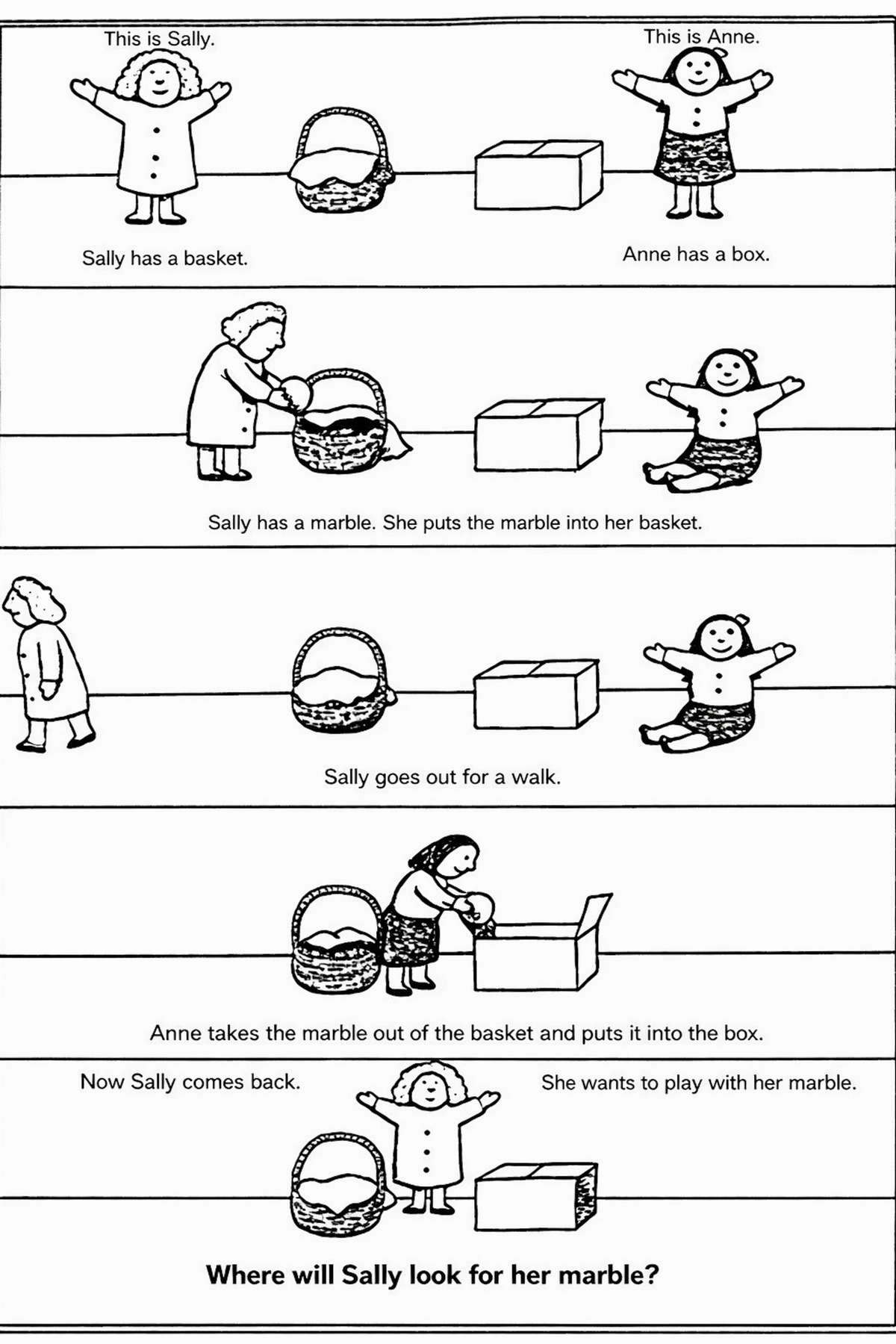
 Theory Of Mind Is Wrong About Autistic People
For four decades, a controversial idea has shaped how autism is understood by researchers, healthcare...
 Bacteroides Fragilis May Be A Fifth Columnist Helping Colon Cancer In Your Body
The gut bacterium Bacteroides fragilis has long presented researchers with a paradox. It has been...
 Losing Weight Improves The Heartbreak Of Psoriasis For Some
For many people living with psoriasis, the red, scaly skin patches are only part of the story....
 Healthcare In Space - The First Medical Evacuation From The ISS
For the first time in 25 years of continuous crewed operations, an astronaut has been medically...

|
The Conversation The Conversation is an independent source of news and views, funded by the academic and research community and delivered direct to the public. The Conversation launched in Australia in March 2011.... Read More » |
Blogroll |
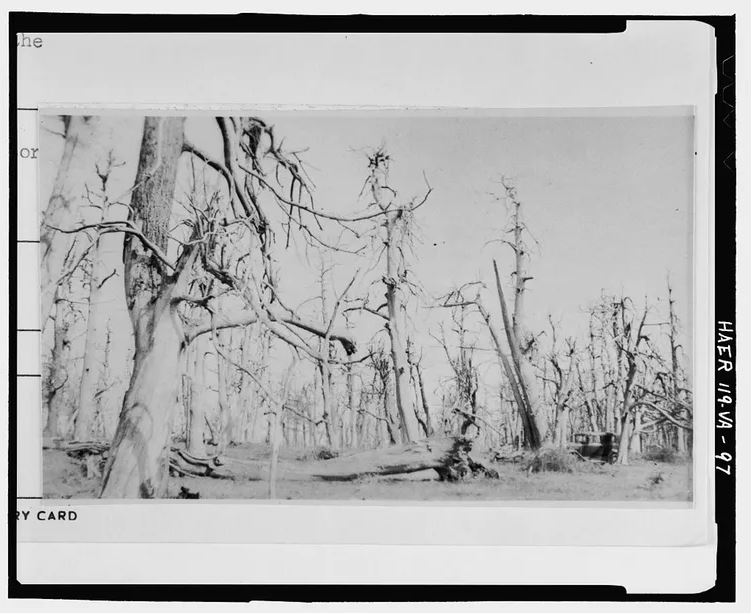



 Fictional metaphors matter, and in the battle to safeguard our civil liberties few metaphors matter more than George Orwell’s 1984. Although first published almost 70 years ago, the lasting salience of this most archetypal dystopia is undeniable.

 There’s a widespread belief that actually existing democracies are in the grip of a fast-paced world dominated by breaking news and all things instant. The following contribution sets out to question this belief. It takes readers on a time journey. It sets out to probe the meaning of time, and explains why time has a malleable quality. It asks why time is a political matter and why, when they function well, democracies do intriguing things to people’s shared sense of time.
