

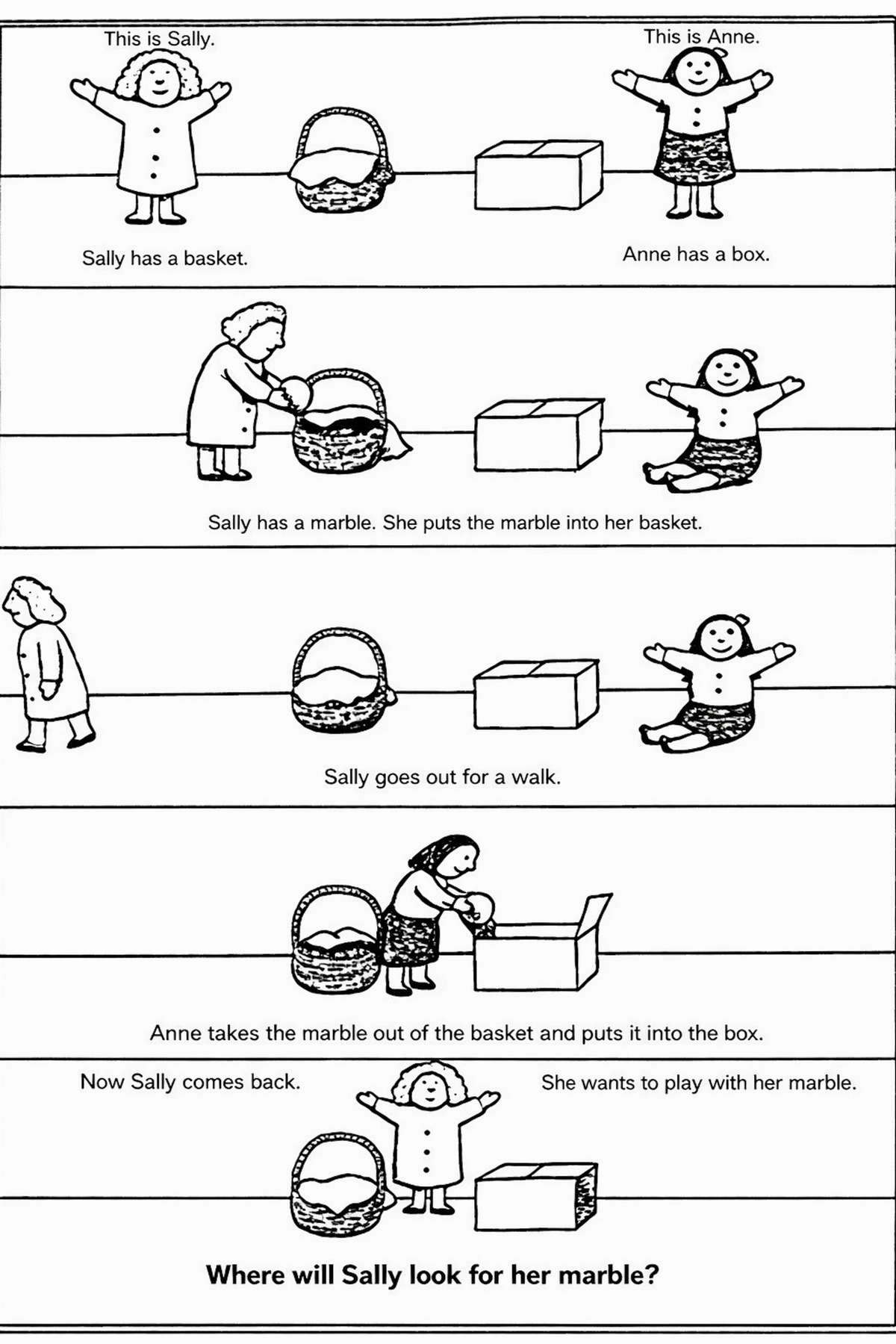
 Theory Of Mind Is Wrong About Autistic People
For four decades, a controversial idea has shaped how autism is understood by researchers, healthcare...
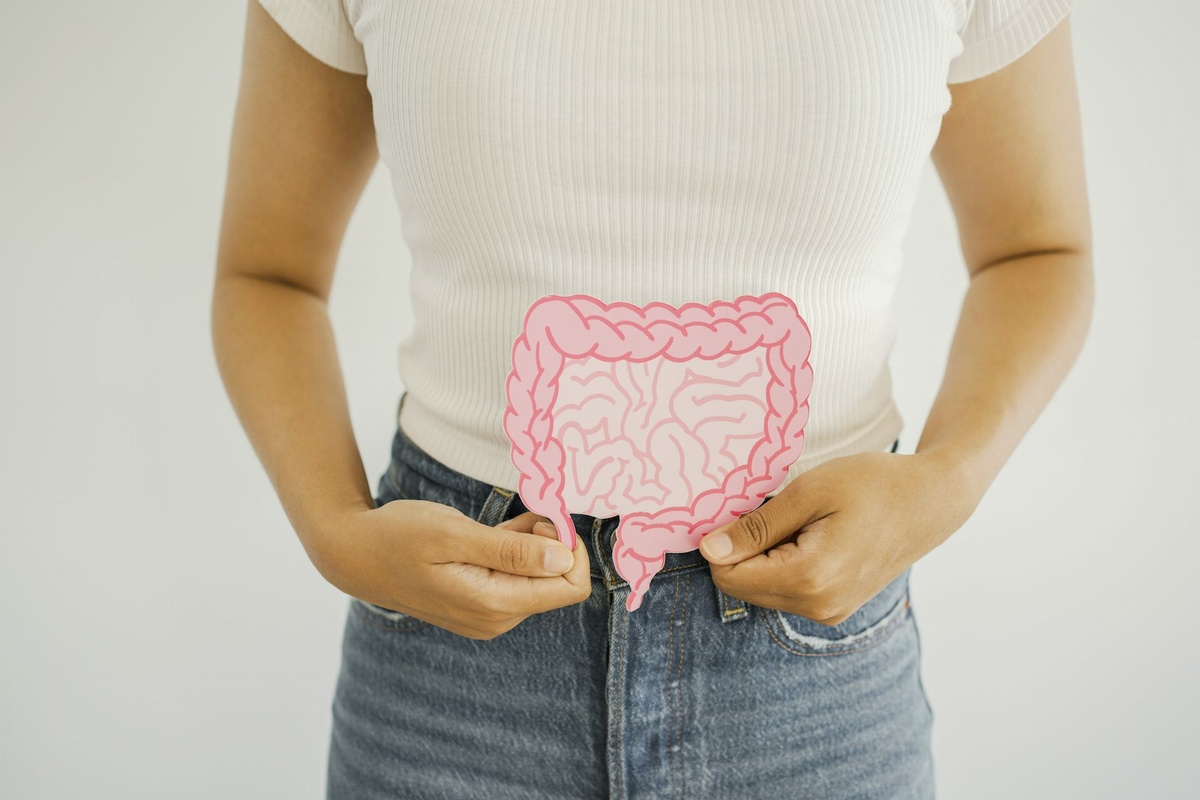 Bacteroides Fragilis May Be A Fifth Columnist Helping Colon Cancer In Your Body
The gut bacterium Bacteroides fragilis has long presented researchers with a paradox. It has been...
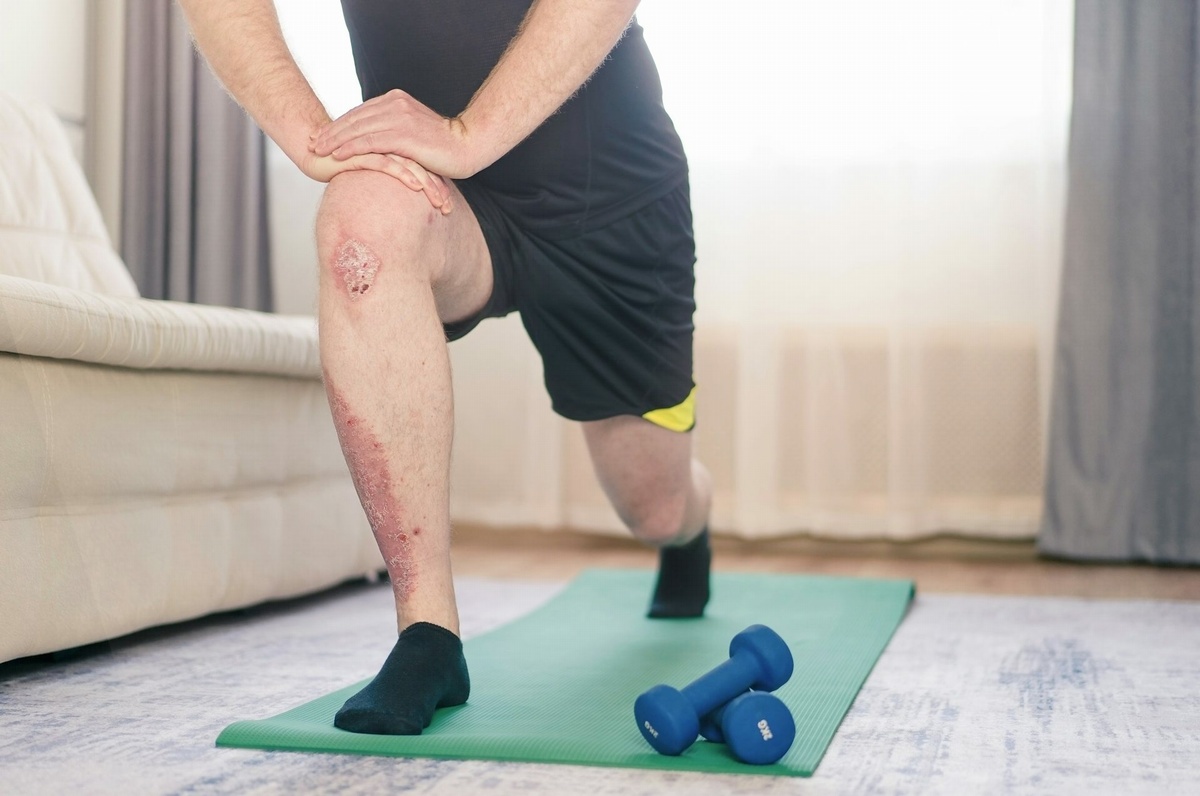 Losing Weight Improves The Heartbreak Of Psoriasis For Some
For many people living with psoriasis, the red, scaly skin patches are only part of the story....
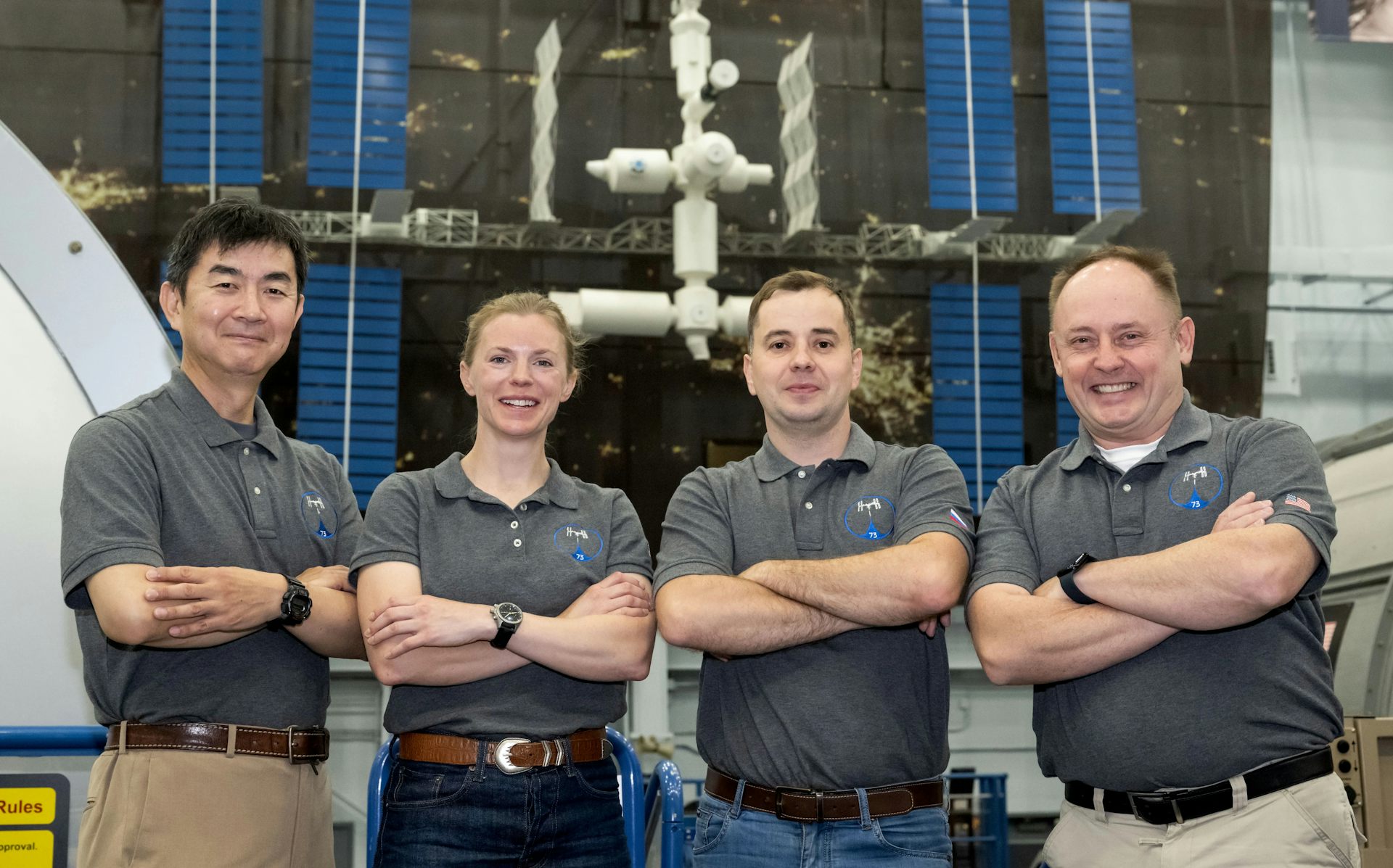 Healthcare In Space - The First Medical Evacuation From The ISS
For the first time in 25 years of continuous crewed operations, an astronaut has been medically...

|
The Conversation The Conversation is an independent source of news and views, funded by the academic and research community and delivered direct to the public. The Conversation launched in Australia in March 2011.... Read More » |
Blogroll |

 You no longer have to look to science fiction to find the cyborg. We are all cyborgs now. Mobile phones, activity trackers, pacemakers, breast implants and even aspirins all act as biological, cognitive or social extensions and enhancements of our bodies and minds. Some have even predicted that human beings as we know them will be replaced by technically enhanced,
 A company in the Netherlands is building a bridge across a canal in Amsterdam
 The sex lives of older people have received a lot of attention recently. From the Netflix sitcom
 Every president for more than 30 years has required executive branch agencies to analyze regulatory impacts before issuing new requirements.


