

 Dogs who suffer with separation anxiety become more optimistic when taking the animal equivalent of Prozac during behavioral treatment, according to a paper in which the authors say they revealed how the animals feel during the clinical treatment of behaviors associated with negative emotions.
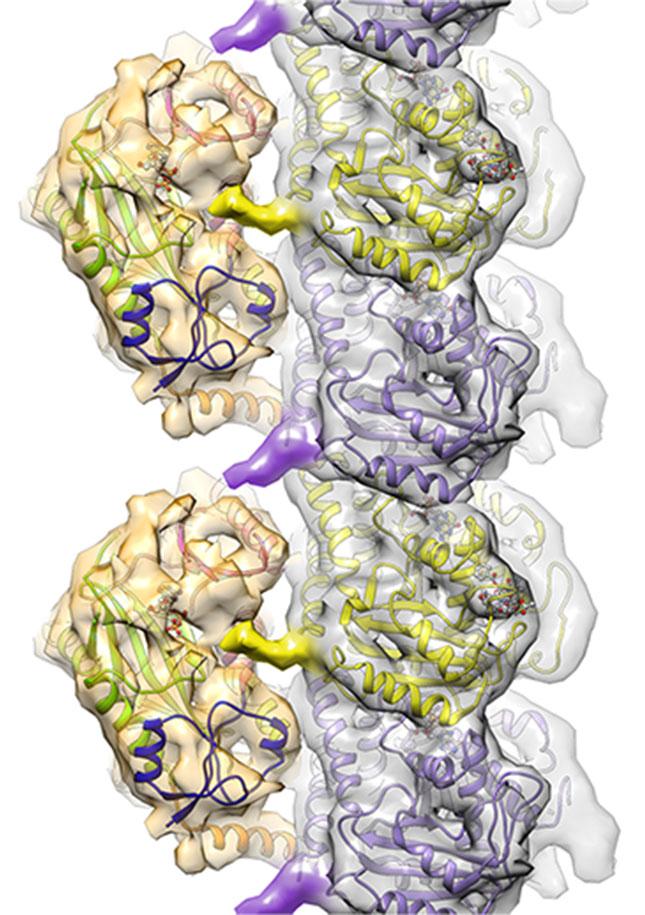

 A number of recent studies have reported on the use of biomarkers, particularly blood-based ones, that offer the potential for screening diseases such as cancer



 “Birds of a feather flock together” is a saying that exists in a number of different languages. “Gambá cheira gambá” (opossums smell other opossums) in Brazilian Portuguese is a particularly colorful example.
 What do you have when someone declares that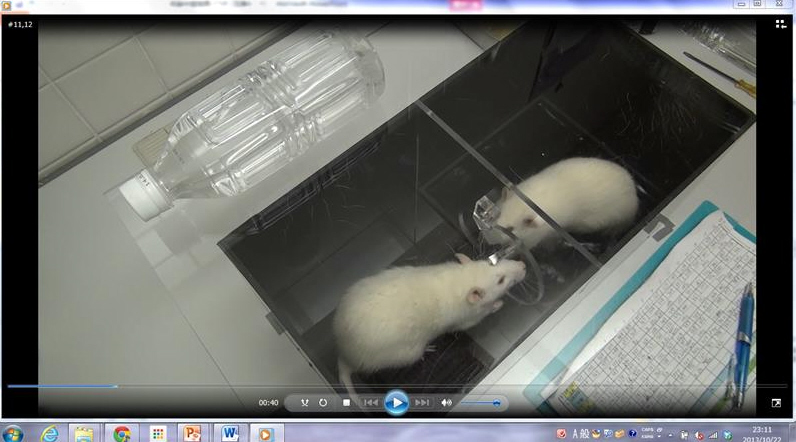

 Does anyone actually buy the clothes that show up on runways a few times per year? People do, and the thinking goes that in order to sell them, models need to look thin. Some cultural advocates have insisted that overweight women who look more 'real' - 65 percent of Americans are overweight - will sell more clothes, but that is in defiance of marketing principles which have shown that people buy on what they want to look like, not what they do look like.
Know Science And Want To Write?
Apply for a column: writing@science20.com
Donate or Buy SWAG
Please donate so science experts can write
for the public.
At Science 2.0, scientists are the journalists,
with no political bias or editorial control. We
can't do it alone so please make a difference.
We are a nonprofit science journalism
group operating under Section 501(c)(3)
of the Internal Revenue Code that's
educated over 300 million people.
You can help with a tax-deductible
donation today and 100 percent of your
gift will go toward our programs,
no salaries or offices.

Interesting insights from outside Science 2.0
