Any time you get a majority of people together, there will always be some sensitivity and compassion and outreach for the minority. In science academia, it is obvious; small blips in representation get concern about fixing the problem of how to get more of demographic X.
Greenpeace was founded on a pretense of humanitarian action - between 1969 and 1971, they gathered together because they wanted to put an end to hydrogen bomb testing. Later they lost their way and it became about whales and, in the US, being a political action committee for an entire raft of anti-science issues, protesting everything from clean energy to food. Thanks for doing your part to cause global warming, Greenpeace.
Food, medicine and energy are three of the most crucial problems we face today - and they are all protested by a common demographic.
Science tends to think on the supply side - how to feed more people, how to get energy to everyone, how to save lives - while anti-science activists promote mitigation and rationing and retreating into the past. They believe in 13th century energy that hasn't worked, like wind power, unproven herbal medicines and a food system where only the agricultural 1% will be able to eat.
In the wave of articles, blog posts and Tweets that are addressing the impact of the shutdown on science, no one has asked the obvious question: If the president care about science so much, why doesn't he care about science?
I have argued that science should be considered a strategic resource, no different than food and oil - yet the President who declared he was going to "restore science to its rightful place" has done nothing of the kind.
As a kid, I drank raw milk. It didn't kill me. If I got sick from it, I have no idea, kids get sick from lots of things and just want to get back to playing baseball, we weren't thinking about how we got ill.
Jeremy Leggett, who runs the largest solar power installer in the UK, is celebrating the World Energy Congress in South Korea by selling you a book predicting the demise of his competitors in conventional energy companies.
Well, he is going to be right eventually. Though we supposedly hit Peak Oil in 1992, yet still haven't, the math says they can't be wrong forever. To make his case that fossil fuels are doomed sooner rather than later, he invokes the popular standby of people who want to sound science-y: the brain.


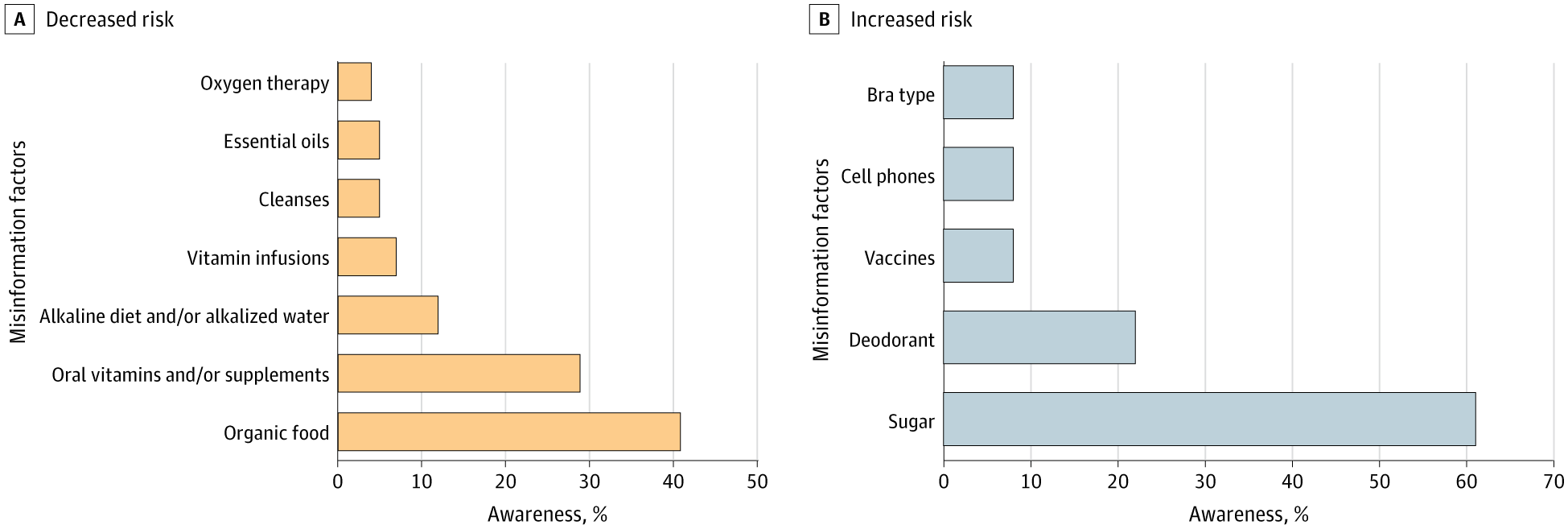 Misinformation Common Among Women With Breast Cancer
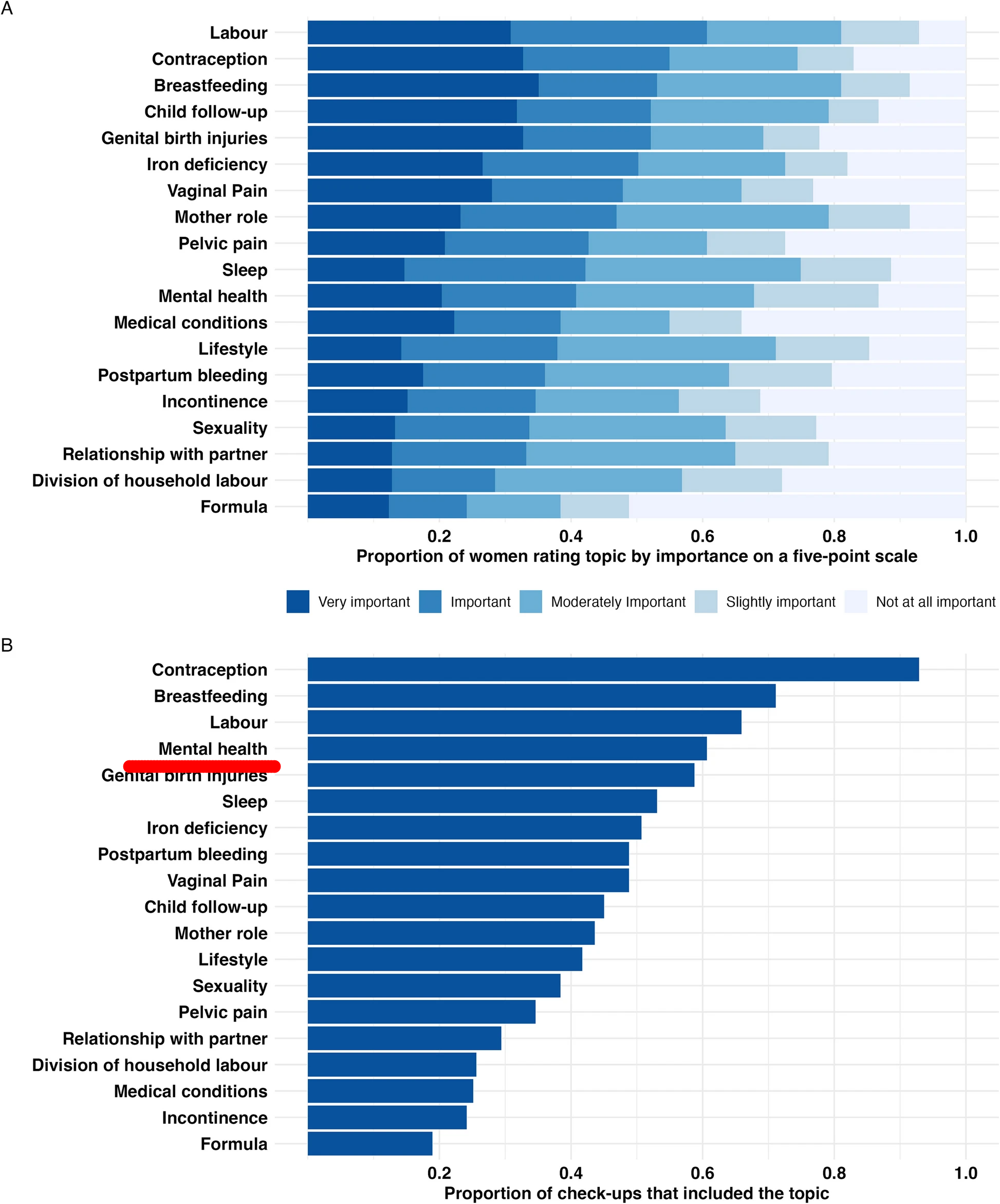 Even With Universal Health Care, Mothers Don't Go To Postnatal Check-Ups
 Happy Twelfth Night - Or Divorce Day, Depending On How Your 2026 Is Going
 Blood Pressure Medication Adherence May Not Be Cost, It May Be Annoyance At Defensive Medicine