Banner
Social Media Is A Faster Source For Unemployment Data Than Government

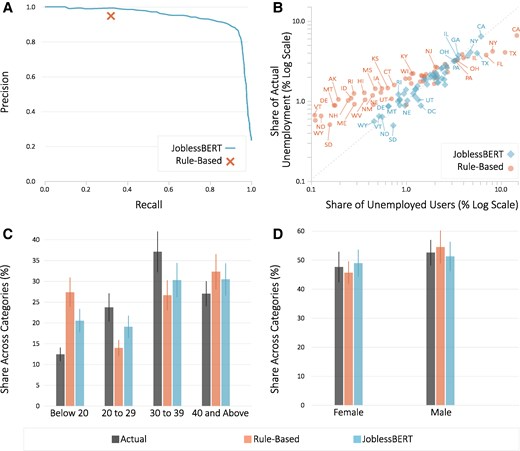
Government unemployment data today are what Nielsen TV ratings were decades ago - a flawed metric...
Gestational Diabetes Up 36% In The Last Decade - But Black Women Are Healthiest

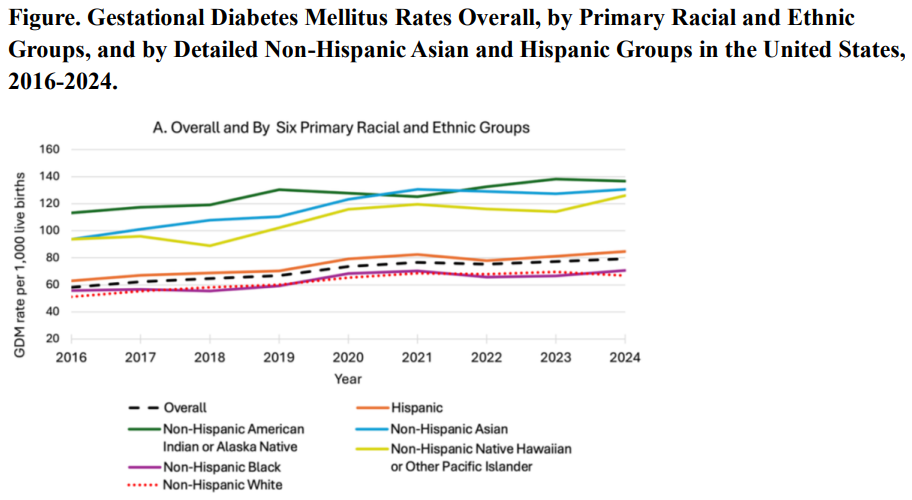
Gestational diabetes, a form of glucose intolerance during pregnancy, occurs primarily in women...
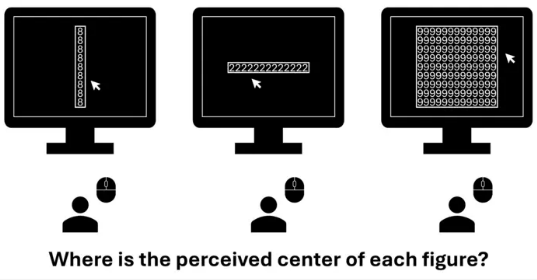
Object-Based Processing: Numbers Confuse How We Perceive Spaces

Researchers recently studied the relationship between numerical information in our vision, and...
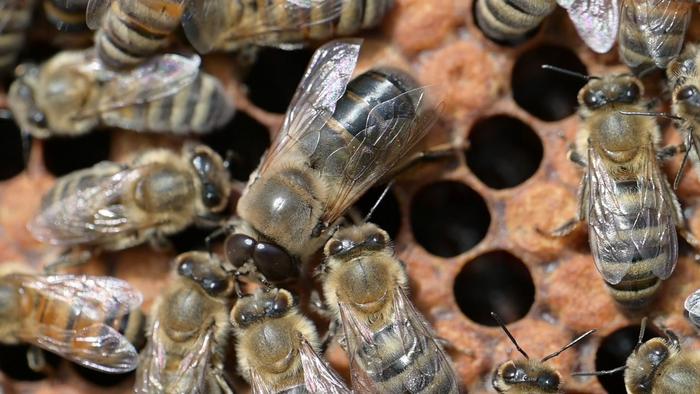
Males Are Genetically Wired To Beg Females For Food

Bees have the reputation of being incredibly organized and spending their days making sure our...

User picture.
News StaffRSS Feed of this column.

News Releases From All Over The World, Right To You... Read More »

Blogroll

Violence is a frequent occurrence in television shows and movies, but can watching it make you behave differently?

Although research has shown some correlation between exposure to media violence and real-life violent behavior, there has been little direct neuroscientific support for this theory until now.

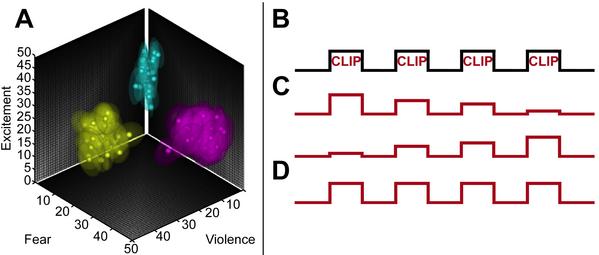
Researchers at Columbia University Medical Center’s Functional Magnetic Resonance Imaging (fMRI) Research Center have shown that watching violent programs can cause parts of your brain that suppress aggressive behaviors to become less active.


(A) Each of the eighty-four clips was rated for violence, fear, and excitement on continuous visual analogue scales (n = 6 subjects).

Are those inclined towards generosity genetically programmed to behave that way? A team of researchers believes this to be true based on their latest study.

Through an online task involving making a choice whether or not to give away money, the researchers found that those who chose to give away some or all of their money differed genetically from those involved in the exercise who chose not to give their money away.

The scientists conducted the experiment with 203 online "players". Each player could choose to keep the equivalent of $12 he was allocated, or to give all or part of it to an anonymous other player.

Scientists exploring one of the largest remaining blocks of tropical forest in Western Africa discovered significant populations of new, rare and threatened species underscoring the area’s high biological diversity and value.

The findings from a 2006 expedition to Ghana’s Atewa Range Forest Reserve (Atewa) led by Conservation International’s Rapid Assessment Program (RAP) are presented in a report made public today.

Climate scientists warned the United Nations Climate Conference in Bali of the need to act immediately to cut greenhouse gas emissions, with a window of only 10-15 years for global emissions to peak and decline, and a goal of at least a 50 per cent reduction by 2050.

They stated that if immediate action is not taken, millions of people will be at risk from extreme events such as heat waves, drought, floods and storms, with coasts and cities threatened by rising sea levels, and many ecosystems, plants and animal species in serious danger of extinction.

The researchers have issued a ‘Bali Climate Declaration by Scientists’ in which they call on government negotiators from the 180 nations represented at the meeting to recognize the urgency of taking action now.

A new species of bacteria discovered living in one of the most extreme environments on Earth could yield a tool in the fight against global warming.

In a paper published in Nature, University of Calgary biology professor Peter Dunfield and colleagues describe the methane-eating microorganism they found in the geothermal field known as Hell’s Gate, near the city of Rotorua in New Zealand.

It is the hardiest “methanotrophic” bacterium yet discovered, which makes it a likely candidate for use in reducing methane gas emissions from landfills, mines, industrial wastes, geothermal power plants and other sources.

It could be a late night infomercial - a magical caffeine cream that slenderizes thighs.

But a new study in the Journal of Cosmetic Dermatology reports just that - Brazilian researchers studied 99 women treated with a cream consisting mostly of a 7 percent caffeine solution. The women used the cream twice daily for 30 days.

When the researchers took their subjects’ measurements at the end of the study, the slimming effect was clear. More than 80 percent of the women had a reduction in the circumference of their upper and lower thighs. Nearly 68 percent also reduced their hip measurements.