
Banner
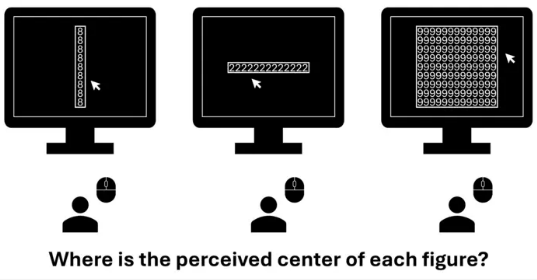
Object-Based Processing: Numbers Confuse How We Perceive Spaces

Researchers recently studied the relationship between numerical information in our vision, and...
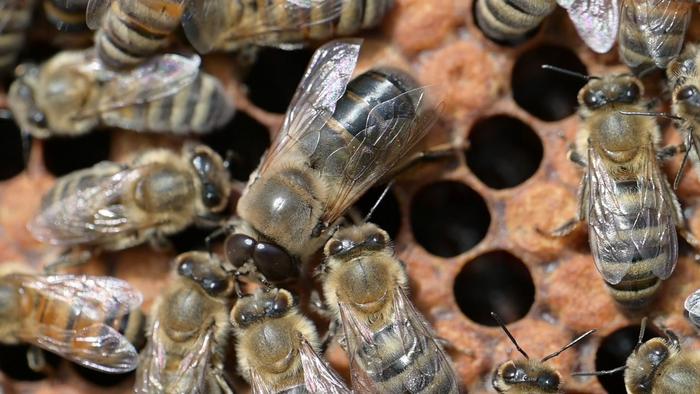
Males Are Genetically Wired To Beg Females For Food

Bees have the reputation of being incredibly organized and spending their days making sure our...

The Scorched Cherry Twig And Other Christmas Miracles Get A Science Look

Bleeding hosts and stigmatizations are the best-known medieval miracles but less known ones, like ...
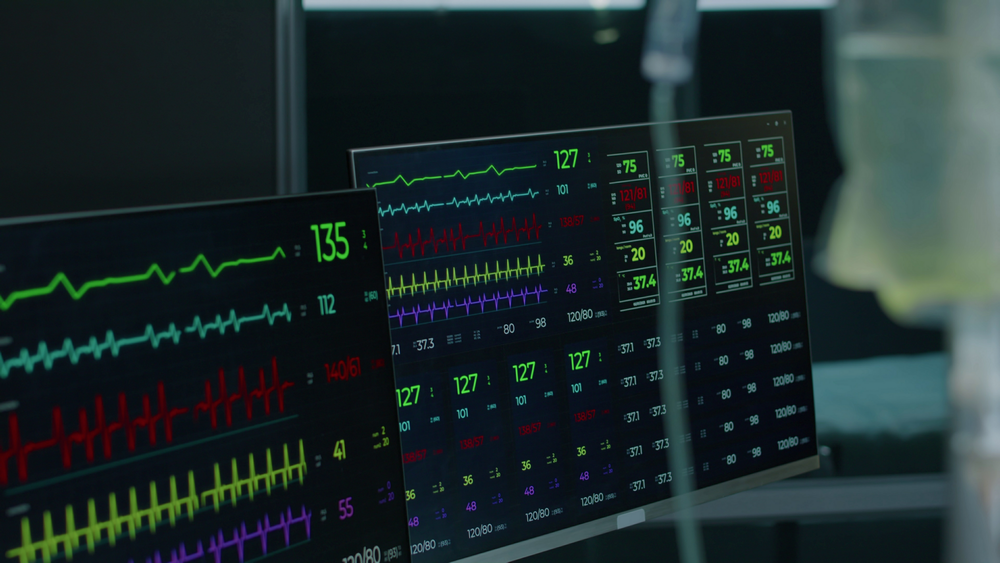
$0.50 Pantoprazole For Stomach Bleeding In ICU Patients Could Save Families Thousands Of Dollars

The inexpensive medication pantoprazole prevents potentially serious stomach bleeding in critically...

User picture.
News StaffRSS Feed of this column.

News Releases From All Over The World, Right To You... Read More »

Blogroll

An important finding has been made by McMaster researchers about Fragile X Syndrome (FXS), a sex-linked genetic disorder that affects approximately one in 4,000 males and one in 6,000 females.

FXS is the most common genetic disorder associated with mental impairment. The affected gene (FMR1) leads to inactivation of the FMR1 gene product, known as the fragile X mental retardation protein (FMRP).

Brain development in the absence of this protein leads to cognitive effects, learning and memory problems, attention deficit, hyperactivity and autistic behaviors. Many children go undiagnosed with Fragile X.

Melbourne, Florida -- Symetrics Industries, LLC announced today an award from the U.S. Army for approximately 300 Improved Data Modems (IDM) for installation on Army aircraft. The contract value will be between US$7 and US$8 million, once final negotiations are completed. The IDM-304 is the Army version of the Improved Data Modems that Symetrics has been delivering to the U.S. Air Force for over 14 years.

Symetrics President and CEO, Mitch Garner stated, "We are absolutely thrilled with this order because it demonstrates the Army's confidence in our ability to execute a long-term, high volume production effort. The IDM-304 is the cornerstone of the Army's airborne element of the Tactical Internet, and Symetrics is proud to be able to provide this critical equipment."

Nearly 30 years after Nobel laureate Linus Pauling famously and controversially suggested that vitamin C supplements can prevent cancer, a team of Johns Hopkins scientists have shown that in mice at least, vitamin C - and potentially other antioxidants - can indeed inhibit the growth of some tumors ¯ just not in the manner suggested by years of investigation.

The conventional wisdom of how antioxidants such as vitamin C help prevent cancer growth is that they grab up volatile oxygen free radical molecules and prevent the damage they are known to do to our delicate DNA.

Scientists at Johns Hopkins have developed a mouse model for schizophrenia in which a mutated gene linked to schizophrenia can be turned on or off at will.

The researchers developed the transgenic mouse by inserting the gene for mutant Disrupted-In-Schizophrenia-1 (DISC-1) into a normal mouse, along with a promoter that enables the gene to be switched on or off. Mutant DISC-1 was previously identified in a Scottish family with a strong history of schizophrenia and related mental disorders.

The study was performed in the laboratory of Mikhail Pletnikov, M.D., Ph.D., in the Department of Psychiatry and Behavioral Sciences.

Infants and children receiving artificial heart-valve replacements face several repeat operations as they grow, since the replacements become too small and must be traded for bigger ones.

Researchers at Children's Hospital Boston have now developed a solution: living, growing valves created in the lab from a patient's own cells.

Pulmonary valves, which provide one-way blood flow from the heart's right ventricle into the pulmonary artery, are often malformed in congenital heart disease, putting an extra burden on the heart.

Enzymes are proteins that act as catalysts in everything from single-celled organisms to humans. They promote chemical reactions in cells and are used widely in industry for everything from making beer and cheese to producing paper and biofuel.

They are also important for making 'natural' drugs, therapeutic agents based on the blueprints of chemicals produced in nature by plants and microorganisms. Such natural sugar-bearing chemicals are the basis for some of medicine's most potent antibiotics and anticancer drugs as exemplified by the antibiotic erythromycin and the anticancer drug doxorubicin.

Important chemical features of such drugs are natural sugars, molecules that often determine a chemical compound's biological effects.






