Banner
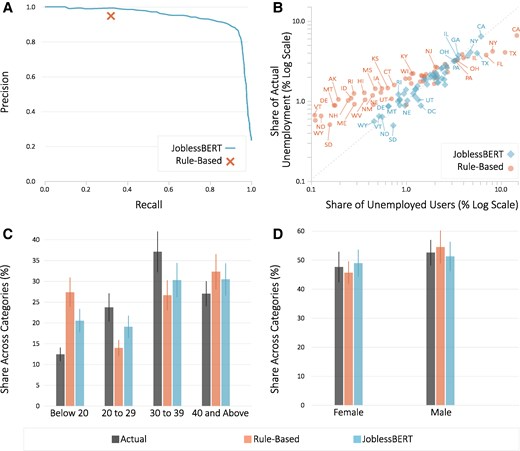
Social Media Is A Faster Source For Unemployment Data Than Government

Government unemployment data today are what Nielsen TV ratings were decades ago - a flawed metric...

Gestational Diabetes Up 36% In The Last Decade - But Black Women Are Healthiest

Gestational diabetes, a form of glucose intolerance during pregnancy, occurs primarily in women...
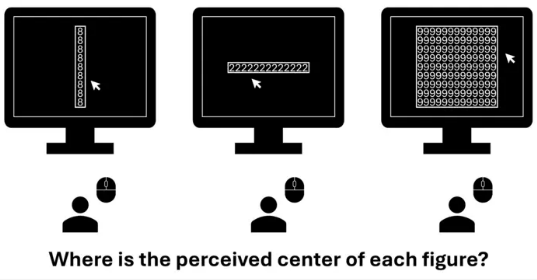
Object-Based Processing: Numbers Confuse How We Perceive Spaces

Researchers recently studied the relationship between numerical information in our vision, and...
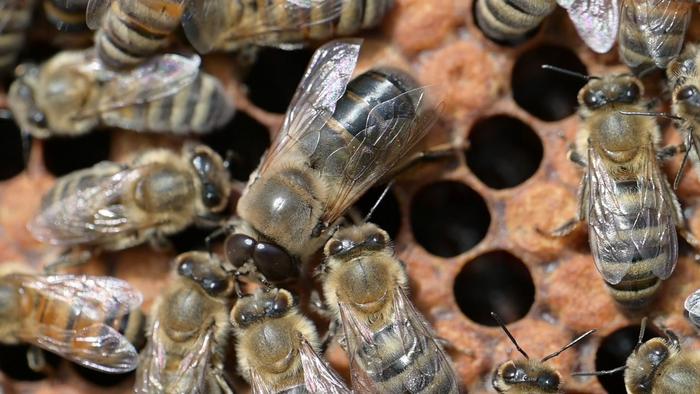
Males Are Genetically Wired To Beg Females For Food

Bees have the reputation of being incredibly organized and spending their days making sure our...

User picture.
News StaffRSS Feed of this column.

News Releases From All Over The World, Right To You... Read More »

Blogroll

A team of international researchers has collected the oldest ever recovered DNA samples and used them to show that Greenland was much warmer at some point during the last Ice Age than most people have believed. Their findings also confirm that the whole ice sheet will not melt and bring about the tremendous sea-level rises which have been the subject of so much discussion.

The ancient DNA was discovered at the bottom of a two kilometer thick ice sheet and came from the trees, plants and insects of a boreal forest estimated to be between 450,000 and 900,000 years-old.

Refuting the popular stereotype that females talk more than men, researchers at The University of Texas at Austin have found women and men both use an average of 16,000 words each day.

The psychology researchers have published their findings in “Are Women Really More Talkative Than Men"” in the July issue of Science.

For more than a decade, researchers have claimed that women use far more words each day than men. One set of numbers that is commonly tossed around is that women use 20,000 words per day compared to only 7,000 for men.

Blood vessels that have been tissue-engineered from bone marrow adult stem cells may in the future serve as a patient's own source of new blood vessels following a coronary bypass or other procedures that require vessel replacement, according to new research from the University at Buffalo Department of Chemical and Biological Engineering.

“Our results show that bone marrow is an excellent source of adult stem cells containing smooth muscle and endothelial cells, and that these stem cells can be used in regenerative medicine for cardiovascular applications,” said Stelios T. Andreadis, Ph.D., associate professor in the UB Department of Chemical and Biological Engineering in the School of Engineering and Applied Sciences.

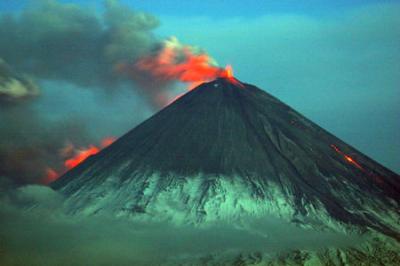
Klyuchevskoy (pronounced Kloo-shef-skoy), a stratovolcano located in the north central region of the Kamchatka Peninsula, is blasting ash up to 32,000 feet in the air, and has diverted air traffic headed toward the Far East.

This is the largest eruption to occur in the North Pacific in a decade, and is providing students at the University of Alaska Fairbanks a unique opportunity to collaborate with scientists, as well as state and federal agencies.

Klyuchevskoy’s been erupting since January, but the largest explosions in the eruption began June 28, 2007.

These explosions created a 1,360-mile-long band of ash, stretching from the Sea of Okhotsk to the Aleutian Islands, clogging well-used air routes with volcanic ash that prove deadly for aircraft.

An international working group under the direction of Wolfgang und Roswitha Wiltschko of Frankfurt University has now succeeded in demonstrating the presence of a magnetic sense of direction in domestic chickens.

40 years ago, Prof. Dr. Wolfgang Wiltschko was the first to prove that migrating robins use the Earth’s magnetic field to direct themselves during migration.

Their magnetic sensor showed them the course of the field lines of the Earth’s magnetic field. This produces an inclination compass that reacts to the inclination of the Earth’s magnetic field to the surface of the Earth, thus distinguishing between “pole-wards” (the side on which the field lines incline downwards) and “equator-wards” (the side on which they incline upwards).

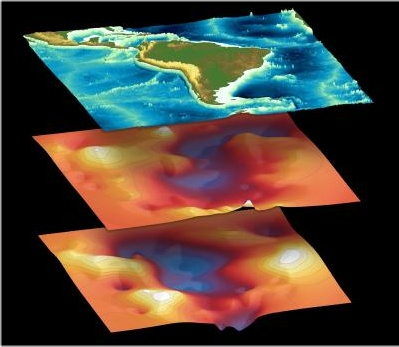
Geodesists from the University of Bonn have remeasured the size of the Earth in a long lasting international cooperation project.

The blue planet is accordingly some millimeters smaller than up to now assumed. The results are important, for example, to be able to demonstrate a climate contingent rise in sea level.