Banner
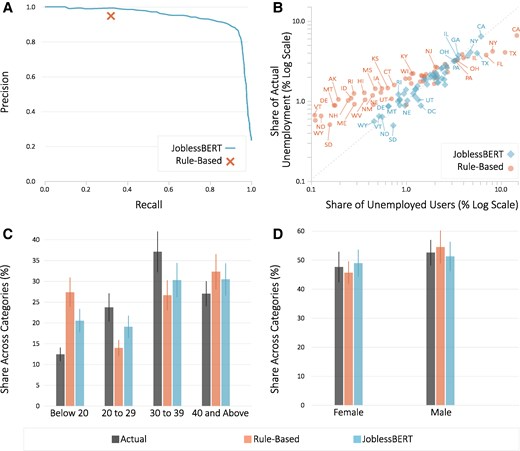
Social Media Is A Faster Source For Unemployment Data Than Government

Government unemployment data today are what Nielsen TV ratings were decades ago - a flawed metric...

Gestational Diabetes Up 36% In The Last Decade - But Black Women Are Healthiest

Gestational diabetes, a form of glucose intolerance during pregnancy, occurs primarily in women...
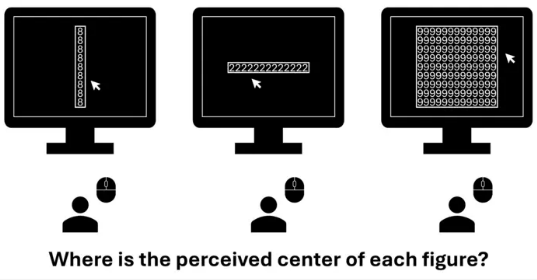
Object-Based Processing: Numbers Confuse How We Perceive Spaces

Researchers recently studied the relationship between numerical information in our vision, and...
Males Are Genetically Wired To Beg Females For Food

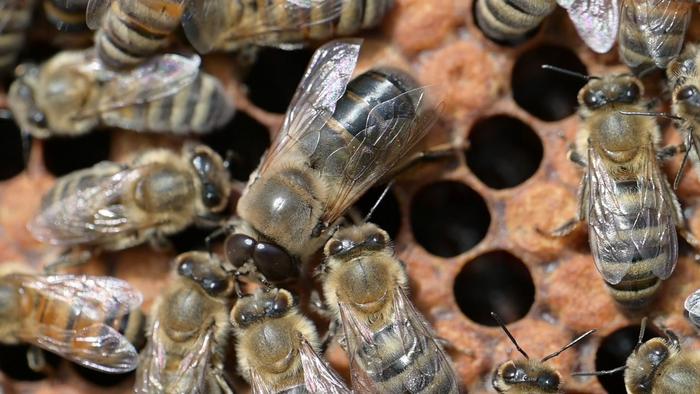
Bees have the reputation of being incredibly organized and spending their days making sure our...

User picture.
News StaffRSS Feed of this column.

News Releases From All Over The World, Right To You... Read More »

Blogroll

The "snows" of Africa's Mount Kilimanjaro inspired the title of an iconic American short story, but now its dwindling icecap is being cited as proof for human-induced global warming.

However, two researchers writing in the July-August edition of American Scientist magazine say global warming has nothing to do with the decline of Kilimanjaro's ice, and using the mountain in northern Tanzania as a "poster child" for climate change is simply inaccurate.


CLICK ABOVE FOR FULL SIZE.

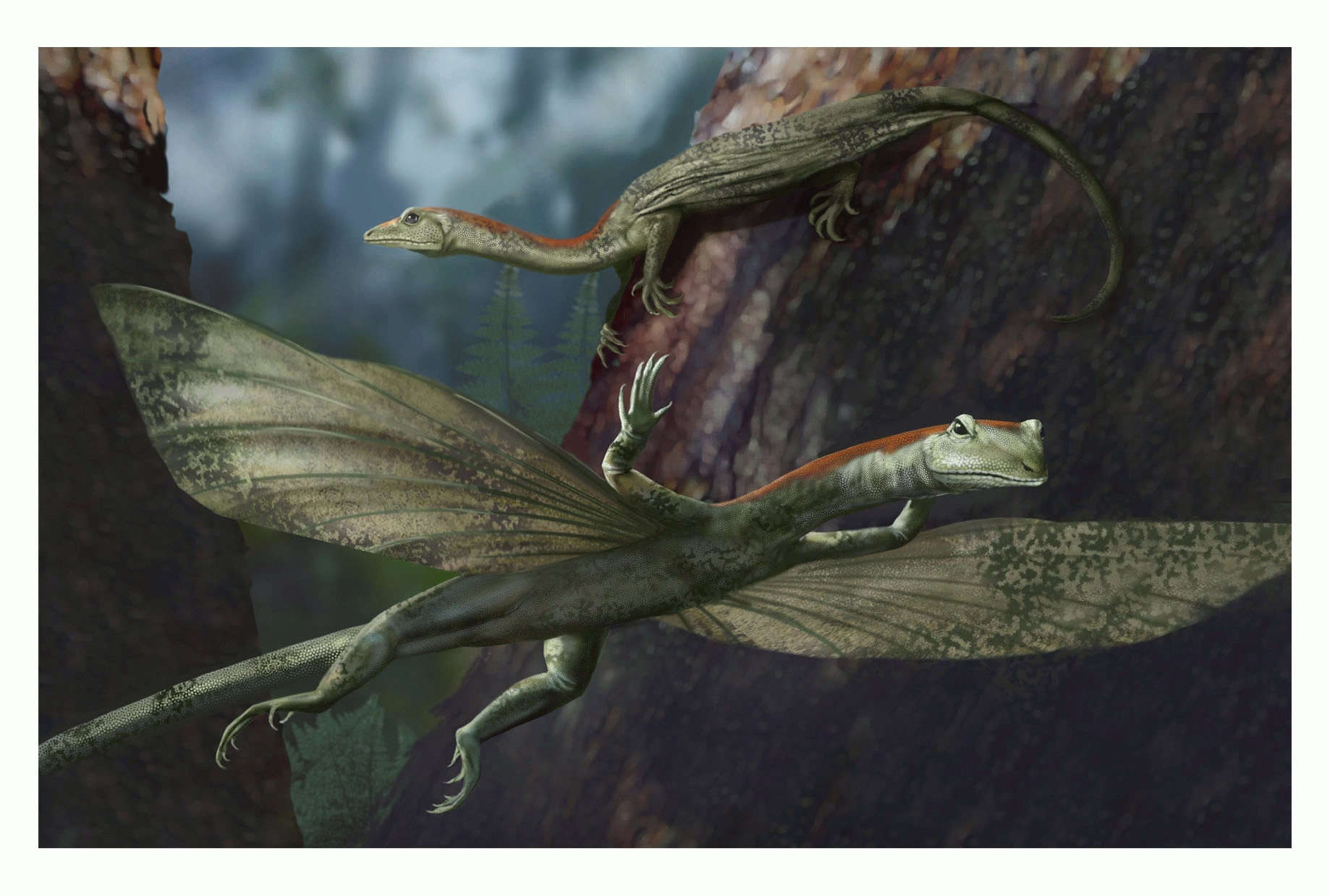
A remarkable new long-necked, gliding reptile discovered in 220 million-year old sediments of eastern north America has been discovered, scientists report. Mecistotrachelos apeoros (meaning "soaring, long-necked") is based on two fossils excavated at the Solite Quarry that straddles the Virginia-North Carolina state line.


CLICK ABOVE FOR FULL SIZE.
Image of Mecistotrachelos apeoros. Restoration artwork courtesy of Karen Carr.

Primates with severe Parkinson’s disease were able to walk, move, and eat better, and had diminished tremors after being injected with human neural stem cells, a research team from Yale, Harvard, the University of Colorado, and the Burnham Institute report today.

These results are promising, but it will be years before it is known whether a similar procedure would have therapeutic value for humans, said the lead author, D. Eugene Redmond Jr., professor of psychiatry and neurosurgery at Yale.


Photo of a new dopamine neuron after injection. The red is a progeny of the human stem cell. Credit: Yale

Seen thundering across the landscape during an aerial survey, more than 1.3 million white-eared kob, tiang (African antelope), and mongalla gazelle are thriving in Southern Sudan, despite all odds. An estimated 8,000 elephants, concentrated mainly in the Sudd, the largest freshwater wetland in Africa, have also been observed.

Despite the war, some species of wildlife in Southern Sudan, last surveyed more than 25 years ago, have not only survived but have thrived east of the Nile River in numbers that rival those of the Serengeti.


Photo by P.Elkan ©2007 WCS/National Geographic Oryx, Boma National Park

A University of Warwick physicist has uncovered how female cells are able to choose randomly between their two X chromosomes and why that choice is always lucky.

Human males have both a X and a Y chromosome but females have two X chromosomes. This means that in an early stage in the development of a woman’s fertilised egg the cells need to silence one of those two X chromosomes. This process is crucial to survival and problems with the process are related to serious genetic diseases.

By precisely controlling billions of individual electrons every second, they hope to develop new computing systems and increase the security of digital communication.

Much like the conveyor belt in a production plant, NPL’s electron surf machine delivers electrons one by one in a reliable steady stream at a rate of more than a billion a second. Whilst small streams of electrons can already be produced, until now no one has found a way to deliver them in a controlled fashion at such a high rate.