
Banner
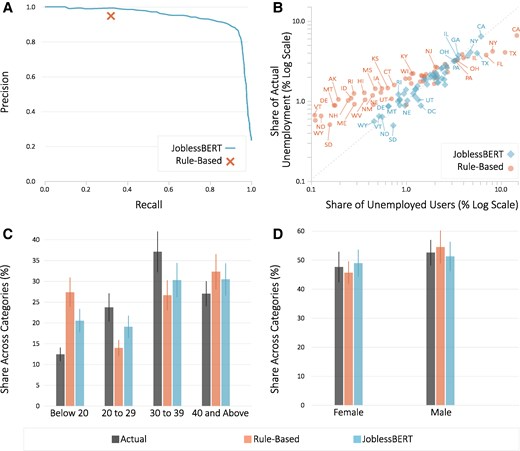
Social Media Is A Faster Source For Unemployment Data Than Government

Government unemployment data today are what Nielsen TV ratings were decades ago - a flawed metric...
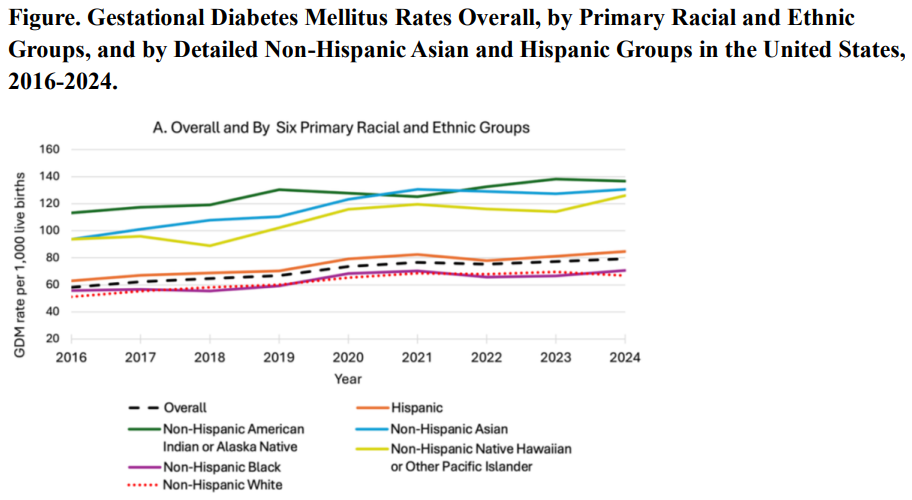
Gestational Diabetes Up 36% In The Last Decade - But Black Women Are Healthiest

Gestational diabetes, a form of glucose intolerance during pregnancy, occurs primarily in women...
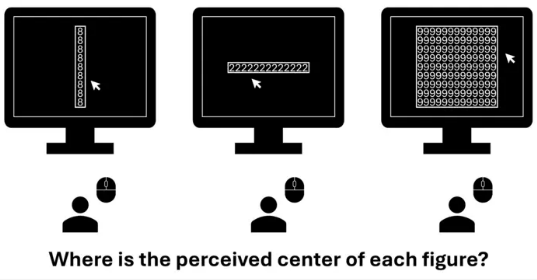
Object-Based Processing: Numbers Confuse How We Perceive Spaces

Researchers recently studied the relationship between numerical information in our vision, and...
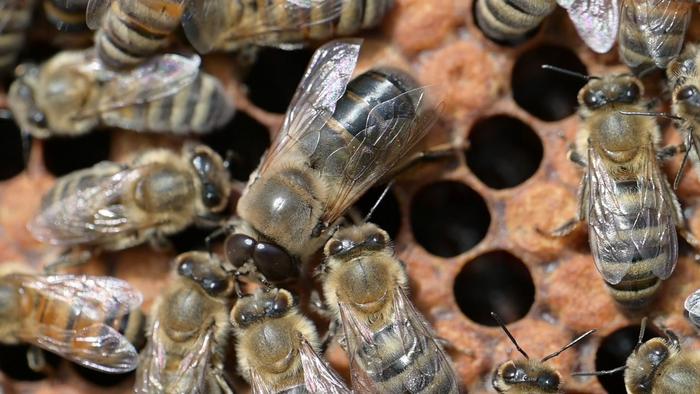
Males Are Genetically Wired To Beg Females For Food

Bees have the reputation of being incredibly organized and spending their days making sure our...

User picture.
News StaffRSS Feed of this column.

News Releases From All Over The World, Right To You... Read More »

Blogroll

What do glowing veggies have to do with a career in science" It just so happens that electrified pickles swimming in metal ions are one example of the type of undergraduate chemistry class demonstration that helps make a future in science a bright possibility, rather than a total turn-off, for many students.

In a commentary in this month’s Nature Chemical Biology, Brandeis University and Howard Hughes Medical Institute (HHMI) Professor Irving Epstein outlines a gathering storm clouding the future of U.S. science and prescribes a series of strategies to help avert a looming national crisis. Epstein says the continued success of U.S. science is seriously threatened by the fact that increasing numbers of undergraduates, particularly the disadvantaged, are writing off a career in science.

In flowers called columbines, evolution of the length of nectar spurs--the long tubes leading to plants' nectar--happens in a way that allows flowers to match the tongue lengths of the pollinators that drink their nectar, biologists have found.

Darwin once proposed a co-evolutionary "race" to explain how natural selection might account for the evolution of very long nectar spurs in flowers, said Scott Hodges of the University of California at Santa Barbara.

Looking into the brain is yielding vital clues to understanding, diagnosing and treating bipolar disorder, according to findings being presented today at the Seventh International Conference on Bipolar Disorder.

The first study, presented by Husseini K. Manji, M.D., chief of the Laboratory of Molecular Pathophysiology at the National Institute of Mental Health (NIMH), suggests that bipolar disorder arises from abnormalities in neuronal plasticity cascades – the complex machinery inside of nerve cells that regulates numerous processes inside the body.

Scientists at the National Institute of Standards and Technology (NIST), along with colleagues at George Mason University and Kwangwoon University in Korea, have fabricated a memory device that combines silicon nanowires with a more traditional type of data-storage. Their hybrid structure may be more reliable than other nanowire-based memory devices recently built and more easily integrated into commercial applications.

Researchers at the University of Pennsylvania School of Medicine have discovered a potential new target for treating type 2 diabetes. The target is a protein, along with its molecular partner, that regulates fat metabolism.

Researchers at the National Institutes of Health have discovered a survival mechanism in a common type of bacteria that can cause illness. The mechanism lets the bacteria protect itself by warding off attacks from antimicrobial peptides (AMPs), which are defense molecules sent by the body to kill bacteria.






