Banner
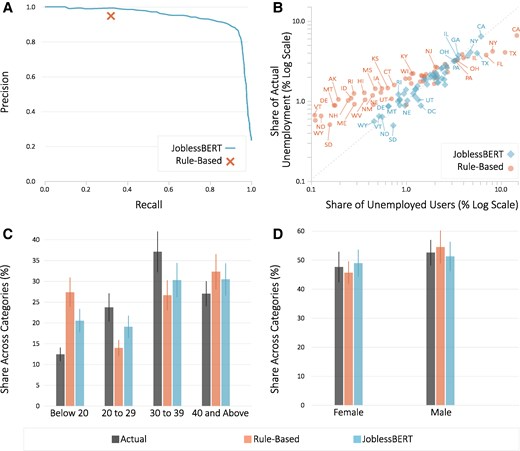
Social Media Is A Faster Source For Unemployment Data Than Government

Government unemployment data today are what Nielsen TV ratings were decades ago - a flawed metric...

Gestational Diabetes Up 36% In The Last Decade - But Black Women Are Healthiest

Gestational diabetes, a form of glucose intolerance during pregnancy, occurs primarily in women...

Object-Based Processing: Numbers Confuse How We Perceive Spaces

Researchers recently studied the relationship between numerical information in our vision, and...

Males Are Genetically Wired To Beg Females For Food

Bees have the reputation of being incredibly organized and spending their days making sure our...

User picture.
News StaffRSS Feed of this column.

News Releases From All Over The World, Right To You... Read More »

Blogroll

Inside the body, our organs are elegantly kept apart by slick membranes. Inside our smallest components, our cells, a similar separation is upheld with the help of electrical charges. In the same way that reversed magnets repel each other, gauzes of negative charges prevent proteins, genetic material, and fats from sticking to each other in the wrong way.

Mikael Oliveberg, professor of biochemistry at Stockholm University in Sweden, describes how disturbances in these functions underlie the hereditary form of the motor-neuron disease Amyotrophic Lateral Sclerosis (ALS).

Learning to fly is easy, if you are a bird. But why is it that birds learn so easily how to fly? It is well known that birds learn through practice, and that they gradually refine their innate ability into a finely tuned skill.

According to a new theory by Dr Stone of Sheffield University, skills such as flying are easy to refine because the innate ability of today's birds depends indirectly on the learning that their ancestors did, which leaves a genetically specified latent memory for flying.

The theory has been tested on simple models of brains called artificial neural networks, which can be made to evolve using genetic algorithms.

Whilst these networks do not fly, they do learn associations, and these associations could take the form of a skill such as flying.

In a recent survey conducted by the University of Maryland’s Center for Food Nutrition and Agriculture Policy, consumers listed tuna, salmon and shrimp as the fish with the highest levels of mercury. But when the question was reversed — which fish had the lowest levels of mercury? — the responses were identical: tuna, salmon and shrimp.

After lung and stomach cancer, liver cancer is the third largest cause of cancer deaths in the world. A new study on the relationship between coffee drinking and the risk of hepatocellular carcinoma (HCC) confirmed that there is an inverse association between coffee consumption and HCC.

At least eleven studies conducted in southern Europe and Japan have examined the relationship between coffee drinking and the risk of primary liver cancer. The current study, led by Francesca Bravi of the Istituto di Ricerche Farmacologiche Mario Negri in Milan, Italy, was a meta-analysis of published studies on HCC that included how much coffee patients had consumed.

Forsyth Institute scientists have discovered an important mechanism for controlling the behavior of adult stem cells.

Research with the flatworm, planaria, found a novel role for the proteins involved in cell-to-cell communication. This work has the potential to help scientists understand the nature of the messages that control stem cell regulation ¯ such as the message that maintain and tells a stem cell to specialize and to become part of an organ e.g.: liver or skin.

In recent years, planarians have been recognized as a great model system to molecularly dissect conserved stem cell regulatory mechanisms in vivo. Planarians have powerful regeneration capability that makes them ideal for studying this process.

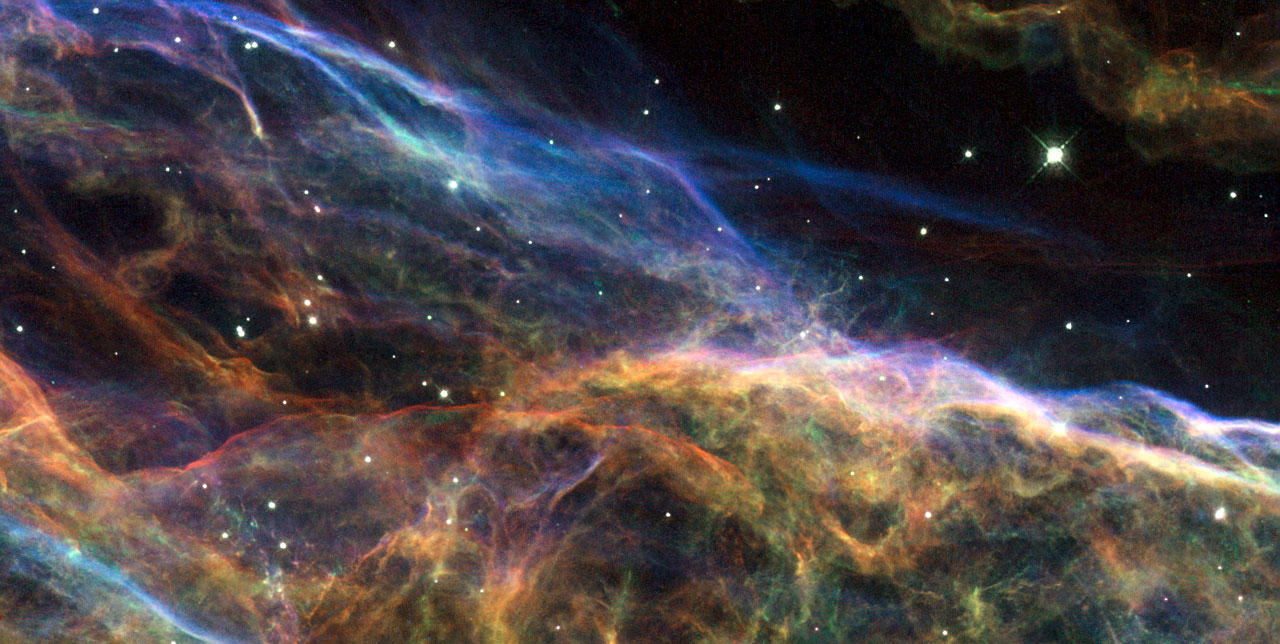
Stars don’t shine forever. How long a star lives depends on how big and heavy it is. The bigger the star, the shorter its life.

When a star significantly heavier than our sun runs out of fuel, it collapses and blows itself apart in a catastrophic supernova explosion. A supernova releases so much light that it can outshine a whole galaxy of stars put together. The exploding star sweeps out a huge bubble in its surroundings, fringed with actual stellar debris along with material swept up by the blast wave. This glowing, brightly-coloured shell of gas forms a nebula that astronomers call a ‘supernova remnant’.