Banner
Social Media Is A Faster Source For Unemployment Data Than Government

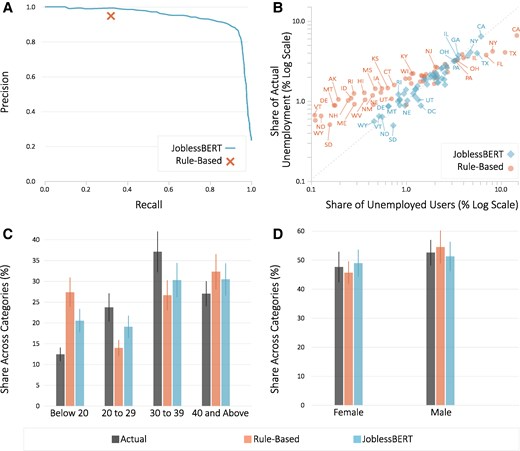
Government unemployment data today are what Nielsen TV ratings were decades ago - a flawed metric...

Gestational Diabetes Up 36% In The Last Decade - But Black Women Are Healthiest

Gestational diabetes, a form of glucose intolerance during pregnancy, occurs primarily in women...

Object-Based Processing: Numbers Confuse How We Perceive Spaces

Researchers recently studied the relationship between numerical information in our vision, and...
Males Are Genetically Wired To Beg Females For Food

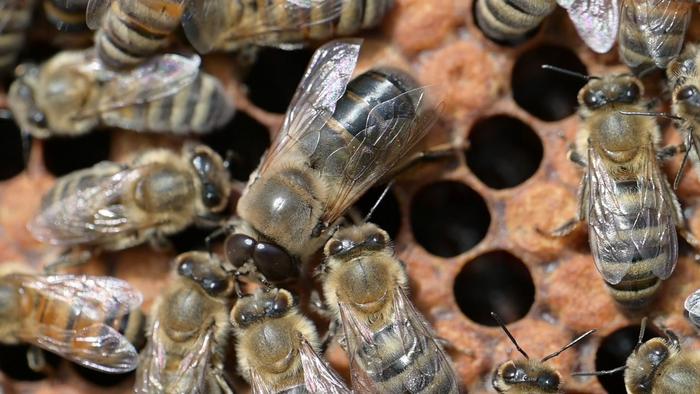
Bees have the reputation of being incredibly organized and spending their days making sure our...

User picture.
News StaffRSS Feed of this column.

News Releases From All Over The World, Right To You... Read More »

Blogroll

Orange juice, despite its high caloric load of sugars, appears to be a healthy food for diabetics due to its mother lode of flavonoids, a study by endocrinologists at the University at Buffalo has shown.

Flavonoids suppress destructive oxygen free radicals -- also known as reactive oxygen species, or ROS. An overabundance of free radicals can damage all components of the cell, including proteins, fats and DNA, contributing to the development of many chronic diseases, including heart disease and stroke as well as diabetes.

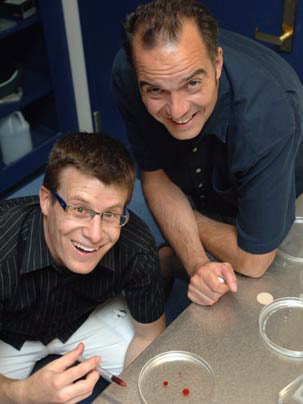
Simple experiments don't always have simple explanations. This 'throbbing' oil experiment, for example, can be done in your kitchen but getting to the heart of the throbbing has not been possible until now.

Try it yourself. Pour clean water onto a small plate. Wait for all the ripples to stop. Then mix a small amount of mineral oil with an even smaller amount of detergent. Squeeze a tiny drop of that mixture onto the water and watch in amazement as the oil appears to pump like a beating heart.

It's a simple experiment, but explaining what makes the drop of oil throb--and then stop when deprived of fresh air--has long mystified the scientific community.

A specific genetic variation may be tied to an increased risk for severe premenstrual depression, scientists at the University of North Carolina at Chapel Hill and the National Institute of Mental Health have found.

Known medically as premenstrual dysphoric disorder, or PMDD, this psychiatric condition affects roughly 8 percent of women in their childbearing years. It's characterized by bouts of major depression and/or anxiety and severe irritability during the second half of the menstrual cycle. Symptoms subside with the onset of each menstrual period.

A research study carried out by the Universitat Autònoma de Barcelona describes the brain region connected to our declarative memory functions.

According to this experiment, part of the prefrontal cortex plays a key role in the social transmission of food preference. This research has helped learn more about how this type of memory functions. In the future, this information could be useful to find new treatment for diseases that affect the memory, such as Alzheimer's disease.

Declarative memory is described as a flexible, conscience and associative type of memory (i.e., it is based on relations between different stimuli).

New fundamental particles aren’t found only at Fermilab and at other particle accelerators. They also can be found hiding in plain pieces of ceramic, scientists at the University of Illinois report.

The newly formulated particle is a boson and has a charge of 2e, but does not consist of two electrons, the scientists say. The particle arises from the strong, repulsive interactions between electrons, and provides another piece of the high-temperature superconductivity puzzle.

Twenty-one years ago, superconductivity at high temperatures was discovered in copper-oxide ceramics (cuprates).

Researchers at the University of Warwick are co-ordinating a global effort to sequence the genome of one of the World’s most important mushrooms - Agaricus bisporus. The secrets of its genetic make up could assist the creation of biofuels, support the effort to manage global carbon, and help remove heavy metals from contaminated soils.

The Agaricus mushroom family are highly efficient ‘secondary decomposers’ of plant material such as leaves and litter –breaking down the material that is too tough for other fungi and bacteria to handle. How exactly it does this, particularly how it degrades tough plant material known as lignin, is not fully understood.

By sequencing the full genome of the mushroom, researchers hope to uncover exactly which genes are key to this process.