
Banner
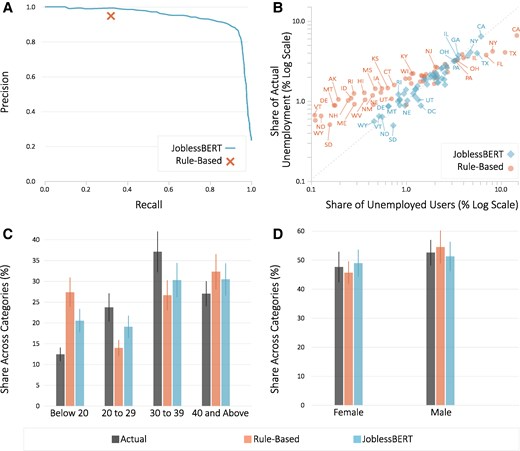
Social Media Is A Faster Source For Unemployment Data Than Government

Government unemployment data today are what Nielsen TV ratings were decades ago - a flawed metric...
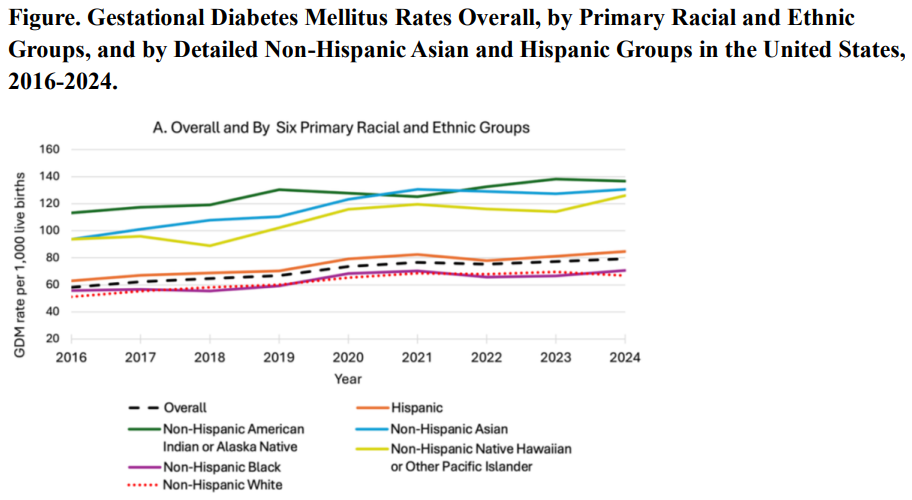
Gestational Diabetes Up 36% In The Last Decade - But Black Women Are Healthiest

Gestational diabetes, a form of glucose intolerance during pregnancy, occurs primarily in women...

Object-Based Processing: Numbers Confuse How We Perceive Spaces

Researchers recently studied the relationship between numerical information in our vision, and...

Males Are Genetically Wired To Beg Females For Food

Bees have the reputation of being incredibly organized and spending their days making sure our...

User picture.
News StaffRSS Feed of this column.

News Releases From All Over The World, Right To You... Read More »

Blogroll

Fossilised midges have helped scientists at the University of Liverpool identify two episodes of abrupt climate change that suggest the UK climate is not as stable as previously thought.

The episodes were discovered at a study in Hawes Water in Northern Lancashire, where the team used a unique combination of isotope studies and analysis of fossilised midge heads. Together they indicated where the climate shifts occurred and the temperature of the atmosphere at the time.

The first shift detected occurred around 9,000 years ago and the second around 8,000 years ago. Evidence suggests that these shifts were due to changes in the Gulf Stream, which normally keeps the UK climate warm and wet.

A few years ago, the low-carb diet craze was in full force and it looked like sugar might never return to society's good graces.

Sugar substitutes are a billion-dollar business. According to a national survey conducted by the Calorie Control Council, a sugar-substitute industry group based in Atlanta, 80 percent of adults use low-calorie and sugar-free foods and beverages.

Yet you can't really count sugar out. For one thing, every diet program recommends sugar substitutes, which keeps the taste of sugar in the minds of its dieters, and though that doesn't make a lot of sense because it's like Alcoholics Anonymous telling its members to drink non-alcoholic beer, it means that people prefer it.

First the obesity problem in humans alarmed physicians and then veterinarians worried about fat cags ( and dogs) but now a team of researchers in the Virginia-Maryland Regional College of Veterinary Medicine and Virginia Tech has determined that horses are also facing serious health risks because of obesity.

Fifty-one percent of the horses evaluated during the pioneering research were determined to be overweight or obese – and may be subject to serious health problems like laminitis and hyperinsulinemia. And just like people, it appears as though the culprits are over-eating and lack of exercise.

Unlike moths and butterflies that are often brilliantly colored to warn potential predators that they carry toxins, flowers and the fruits they produce have brilliant colors to attract the attention of pollinators and frugivores who will disperse their pollen and seed, thus guaranteeing the next generation.

The appearance of flowering plants on earth about 150 million years ago had a profound effect on the evolution of many other kinds of organisms like insects, birds, and mammals, who became the pollinators and consumers of those plants, thus ensuring the continuity of both the plant and its animal partner.

A study of more than 2,200 women at the Kimmel Cancer Center at Jefferson in Philadelphia shows that African American women have more advanced breast cancer at the time of diagnosis than Caucasian women.

In addition, African American women tend to have breast cancer tumor types that are more aggressive and have poorer prognoses.

The disease that causes tremors, rigidity and slowed movements in a million Americans also targets another brain network that regulates cognitive thought and the ability to carry out everyday tasks.

David Eidelberg, MD, head of the Center for Neurosciences at The Feinstein Institute for Medical Research, and his colleagues measured and quantified this network of brain regions during a five-year study of newly diagnosed Parkinson’s patients who agreed to be followed several times over the course of the study. This is the first longitudinal study of Parkinson’s disease using a brain scan to follow these Parkinson’s network over time.






