
Banner
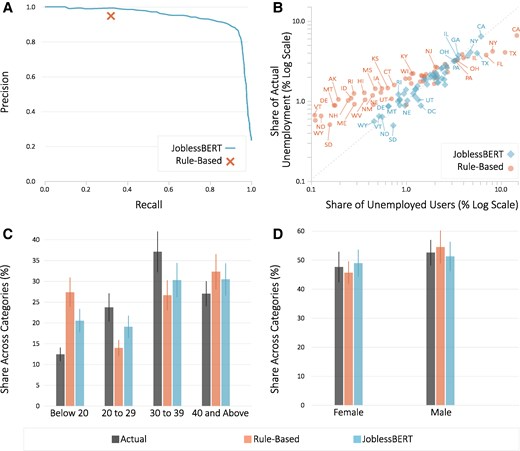
Social Media Is A Faster Source For Unemployment Data Than Government

Government unemployment data today are what Nielsen TV ratings were decades ago - a flawed metric...

Gestational Diabetes Up 36% In The Last Decade - But Black Women Are Healthiest

Gestational diabetes, a form of glucose intolerance during pregnancy, occurs primarily in women...

Object-Based Processing: Numbers Confuse How We Perceive Spaces

Researchers recently studied the relationship between numerical information in our vision, and...
Males Are Genetically Wired To Beg Females For Food

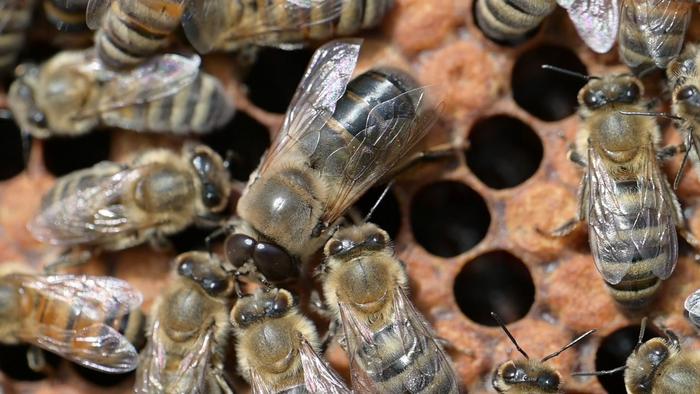
Bees have the reputation of being incredibly organized and spending their days making sure our...

User picture.
News StaffRSS Feed of this column.

News Releases From All Over The World, Right To You... Read More »

Blogroll

While most RNAs work to create, package, and transfer proteins as determined by the cell’s immediate needs, miniature pieces of RNA, called microRNAs (miRNAs) regulate gene expression. Recently, researchers from the University of Pennsylvania School of Medicine determined how miRNAs team up with a regulatory protein to halt protein production.

Scientists estimate miRNAs have the ability to regulate the expression of approximately one third of human genes, and previous studies have linked abnormal activity of miRNAs to cancer and other diseases.

Most plants and animals show changes in activity over a 24-hour cycle. Now, for the first time, researchers have shown how a plant combines signals from its internal clock with those from the environment to show a daily rhythm of growth.

Using time-lapse photography, postdoctoral researcher Kazunari Nozue, with colleagues from UC Davis and the University of Lausanne, Switzerland, found that the shoots of Arabidopsis seedlings show a spurt of growth once a day.

The timing of that growth spurt is controlled by both the plant's internal clock and by exposure to light, acting on two genes called PIF 4 and PIF 5.

Compounds found in pumpkin could potentially replace or at least drastically reduce the daily insulin injections that so many diabetics currently have to endure. Recent research reveals that pumpkin extract promotes regeneration of damaged pancreatic cells in diabetic rats, boosting levels of insulin-producing beta cells and insulin in the blood, reports Lisa Richards in Chemistry & Industry.

A group, led by Tao Xia of the East China Normal University, found that diabetic rats fed the extract had only 5% less plasma insulin and 8% fewer insulin-positive (beta) cells compared to normal healthy rats (Journal of the Science of Food and Agriculture, 87(9) 1753-7 2007).

Researchers from the European Molecular Biology Laboratory (EMBL) and the University of Michigan have discovered a gene that protects us against a serious kidney disease. In the current online issue of Nature Genetics they report that mutations in the gene cause nephronopthisis (NPHP) in humans and mice. NPHP is a disease marked by kidney degeneration during childhood that leads to kidney failure requiring organ transplantation. The insights might help develop effective, noninvasive therapies.

Chromosome disorders in sex cells cause infertility, miscarriage and irregular numbers of chromosomes (aneuploidy) in neonates. A new study from Karolinska Institutet published in Nature Genetics shows how chromosome disorders can arise when sex cells are formed.

Sex cells contain a control station for monitoring the mechanism that ensures that the correct numbers of chromosomes are distributed during cell division. Scientists have now shown that there is an alternative distribution mechanism in female sex cells that cause chromosome disorders. Aberrant chromosomes orientate themselves like normal chromosomes, and this ability to adopt double identities protects them from detection by the control centre.

A study appearing in the July issue of the Journal of Periodontology found bacteria commonly found in the mouth and associated with periodontal diseases in the amniotic fluid of some pregnant women.

The study, which evaluated 26 pregnant women with a diagnosis of threatened premature labor, found the presence of periodontal bacteria, P. Gingivalis, in both the oral cavity and amniotic fluid in 30% of the women. Amniotic fluid is a liquid that surrounds an unborn baby during pregnancy. Any disruptions in the amniotic fluid, such as a bacterial infection, could potentially be dangerous to both the mother and baby.







