Banner
Pilot Study: Fibromyalgia Fatigue Improved By TENS Therapy

Fibromyalgia is the term for a poorly-understood condition where people experience pain and fatigue...

High Meat Consumption Linked To Lower Dementia Risk

Older people who eat large amounts of meat have a lower risk of dementia and cognitive decline...

Long Before The Inca Colonized Peru, Natives Had A Thriving Trade Network

A new DNA analysis reveals that long before the Incan Empire took over Peru, animals were...

Mesolithic People Had Meals With More Tradition Than You Thought

The common imagery of prehistoric people is either rooting through dirt for grubs and picking berries...

User picture.
News StaffRSS Feed of this column.

News Releases From All Over The World, Right To You... Read More »

Blogroll
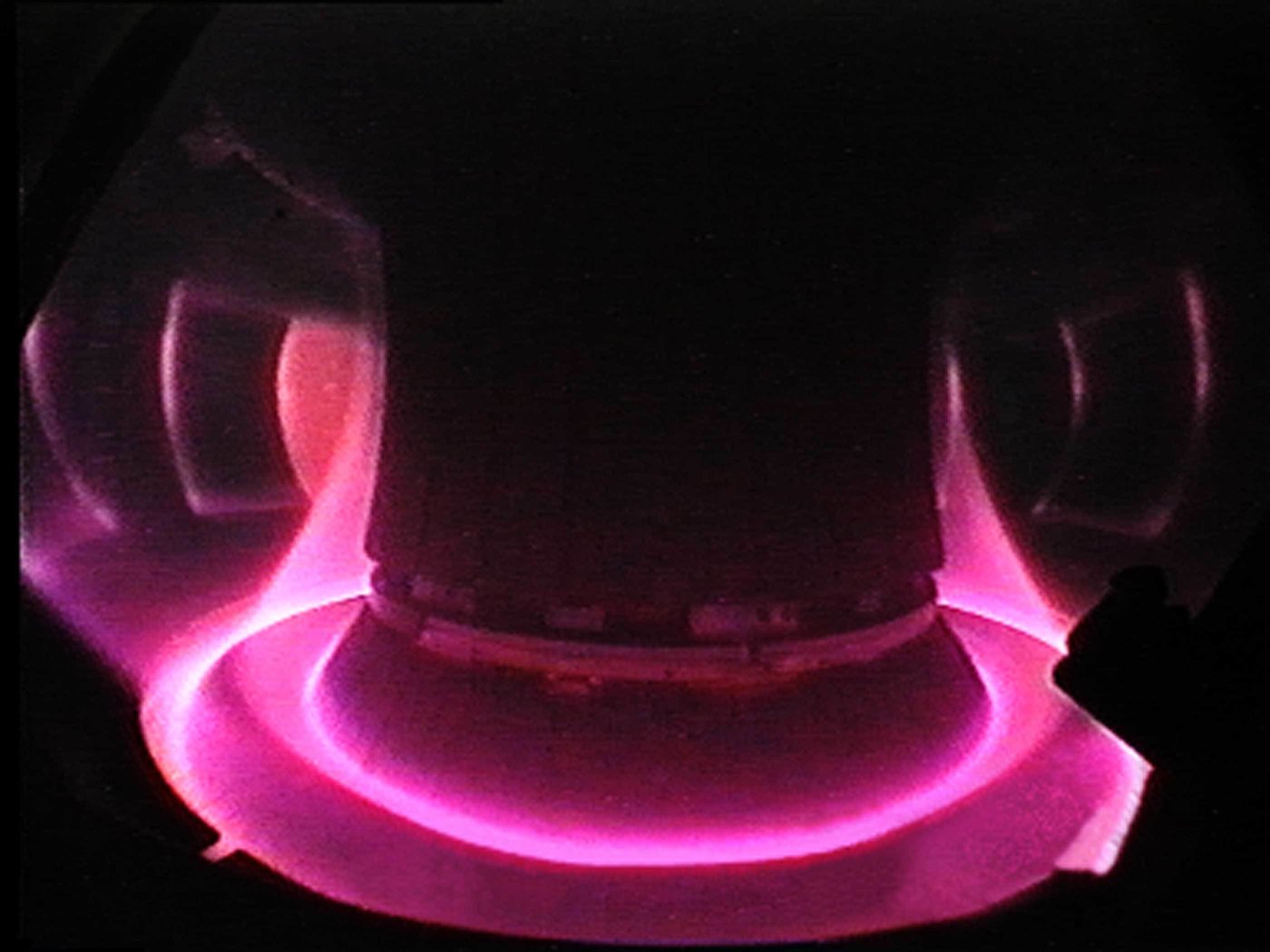
A new operating mode for fusion power avoids instabilities in the plasma that place a heavy load on the vessel wall and to remove heat and particles from the plasma more gently.

The aim of fusion energy is to tame atomic nuclei the way the sun does. Because the fusion fire only ignites at temperatures above 100 million degrees, its low-density hydrogen plasma fuel must not come into contact with the colder vessel walls. That is achieved using magnetic fields inside a ring-shaped vacuum chamber. The international experimental reactor ITER, currently being built in Cadarache, France,will show feasibility by generating fusion power of 500 megawatts.
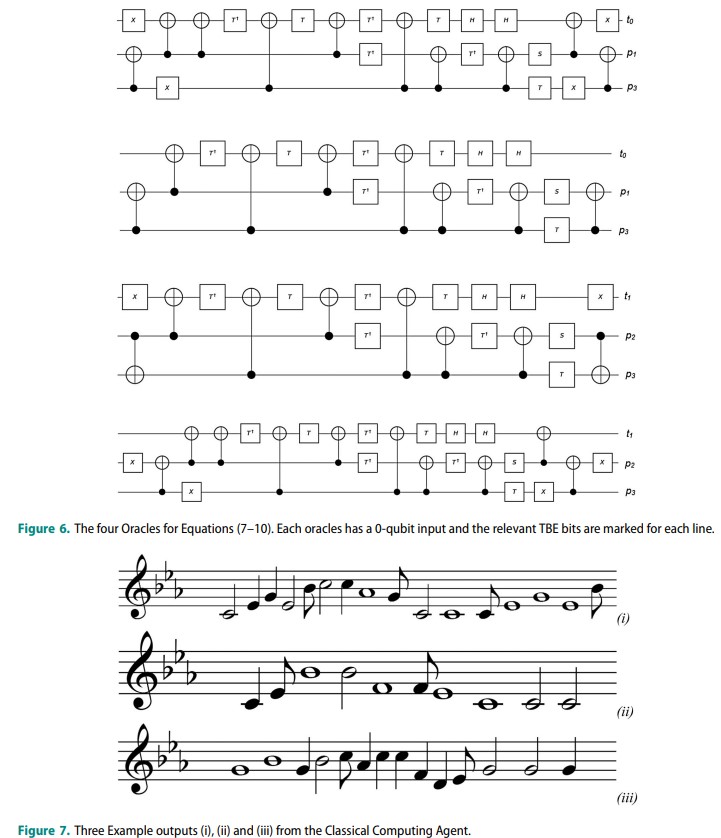
A high-tech jamming session, through which a blend of live human and computer-generated sounds came together to create a unique performance piece, has been created thanks to "spooky action at a distance."

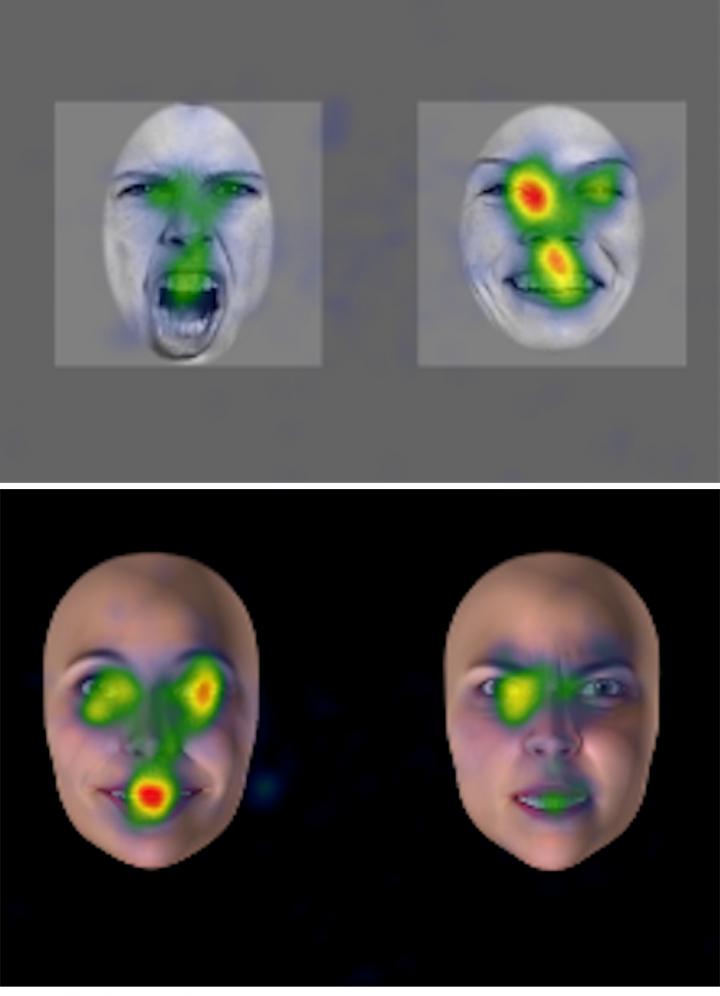
Emotions are an integral part of our lives. They influence our behavior, perceptions, and day-to-day decisions. The spontaneous amodal coding of emotions - independent of perceptual modalities like the physical characteristics of faces or voices - is easy for adults, but how does the same capacity develop in children?

Recent experiments using kids ages 5, 8 and 10 years sought to find out when children began to recognize happiness or anger depending on whether it is expressed by a voice or on a face.

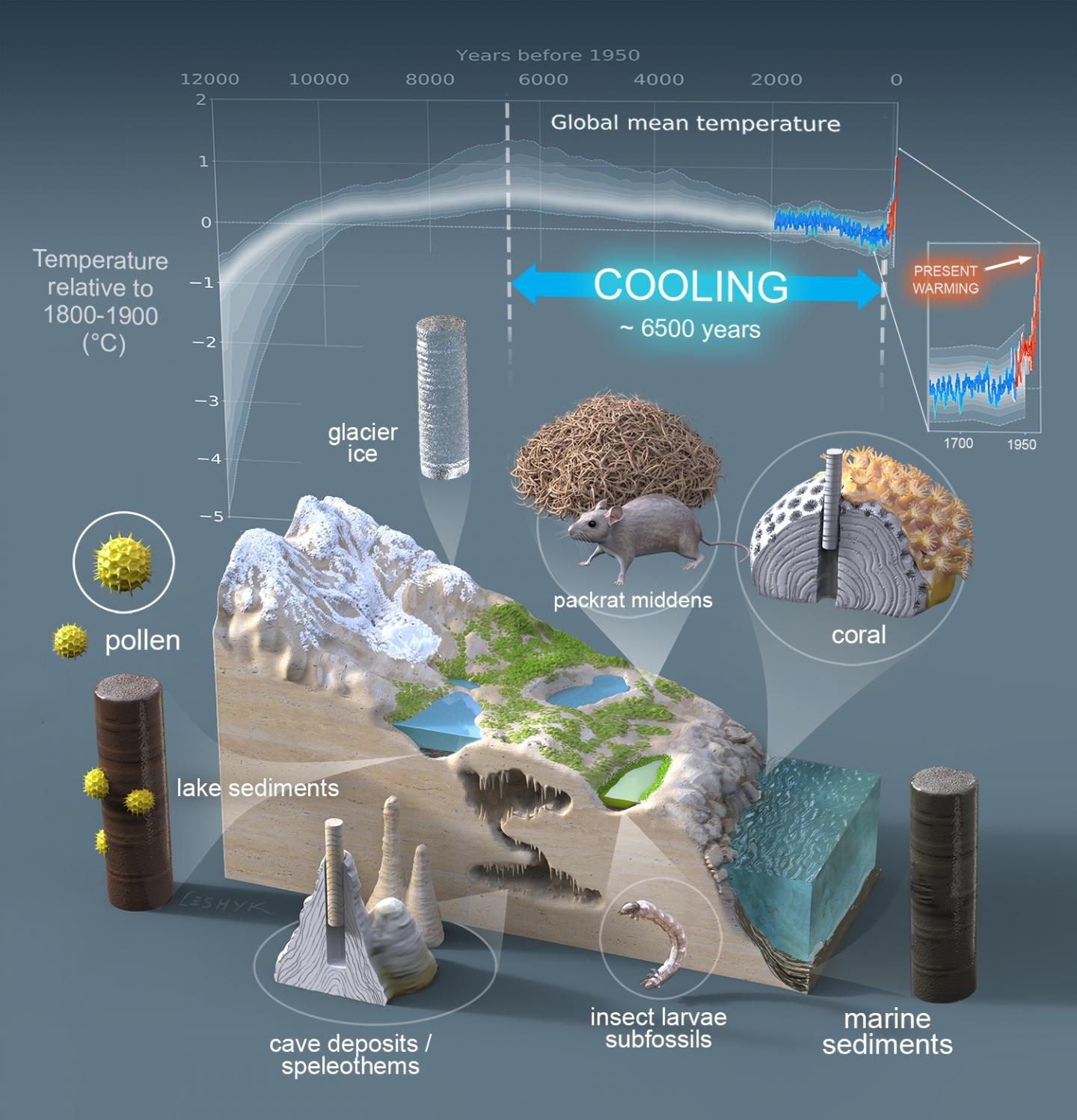
In geological history, 90,000 of every 100,000 years has been ice ages, and it has been 12,000 years since the last one. In a 'glass half full' optimistic take on emissions, the Industrial Age put a halt to a 6,500 year cooling trend and the ice age for which we are overdue, but just like salt, sugar, or Avengers movies, there can be too much of a good thing and now there are worries that climate is going out of control the other way.
When it comes to evolutionary biology and life on other planets, there is talk of amino acids, the building blocks of our existence.

But for any of that to work we first needed magnetic fields and plate tectonics, and a new paper finds that Earth became a "Goldilocks planet" by getting to the right place at the right time. So if we want to find other forms of life, we need to look for exoplanets that developed earlier rather than later.

Exoplanets are planets orbiting stars in other solars around distant stars and with thousands now known, there is a lot of speculation about how to detect life. It will start with narrowing down the possibilities; position, temperature, and geochemistry.

When the most massive stars die, they collapse under their own gravity and leave behind black holes while when stars that are less massive reach their end, they explode in a supernova and leave behind dense, dead remnants of stars.

Those are called neutron stars and heaviest known neutron star is two and a half times the mass of our sun while the lightest known black hole is about five solar masses. What's in that "mass gap" between neutron stars and black holes?

A new paper posits some answers.