Banner
Pilot Study: Fibromyalgia Fatigue Improved By TENS Therapy

Fibromyalgia is the term for a poorly-understood condition where people experience pain and fatigue...

High Meat Consumption Linked To Lower Dementia Risk

Older people who eat large amounts of meat have a lower risk of dementia and cognitive decline...

Long Before The Inca Colonized Peru, Natives Had A Thriving Trade Network

A new DNA analysis reveals that long before the Incan Empire took over Peru, animals were...

Mesolithic People Had Meals With More Tradition Than You Thought

The common imagery of prehistoric people is either rooting through dirt for grubs and picking berries...

User picture.
News StaffRSS Feed of this column.

News Releases From All Over The World, Right To You... Read More »

Blogroll
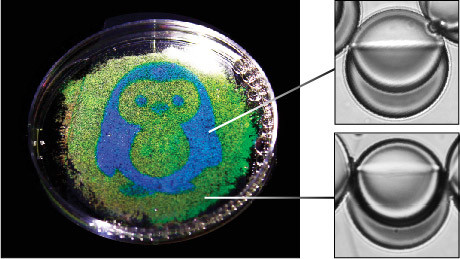
Even if you are obsessed with "natural" things, the awesome power of physics can still help you make fun colors. It's all thanks to “structural color,” the ability of an object to generate color simply by the way light interacts with its geometric structure.
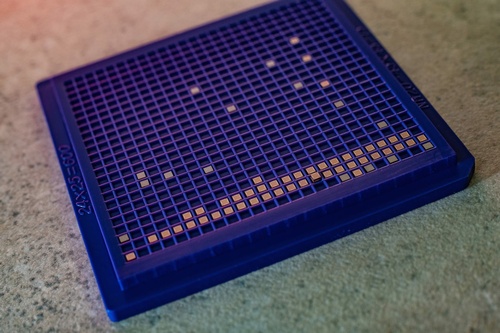
At the International Solid-State Circuits Conference last week, Rice University integrated circuit (IC) designers unveiled technology they say is 10 times more reliable than current methods of producing unclonable digital fingerprints for Internet of Things (IoT) devices.
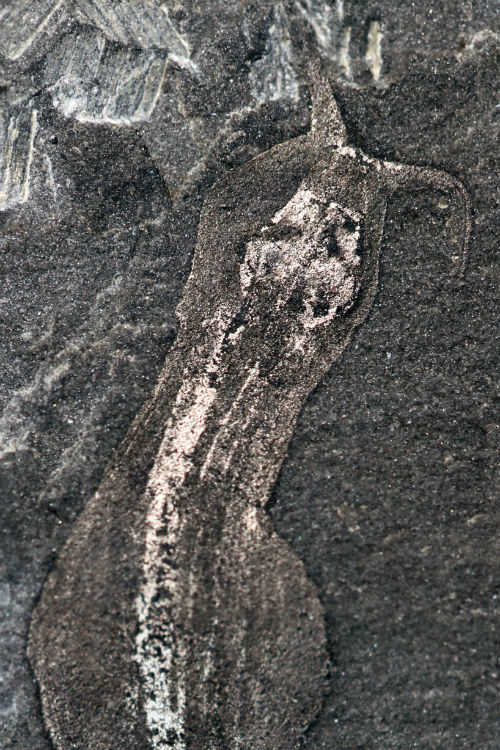
Ribbon worm? Arrow worm? Since the discovery of its fossil over a century ago, paleontologists have speculated about what branch of evolution Amiskwia sagittiformis was on.

Charles Doolittle Walcott, who first described it, compared it to the a group of ocean-dwelling worms that are fierce predators, equipped with an array of spines on their head for grasping small prey - modern arrow worms (chaetognaths), but later scientists could not find evidence of the canonical grasping spines so they believed instead it might be a a ribbon worm, or its own distinct lineage only distantly related to anything that resembles it today.
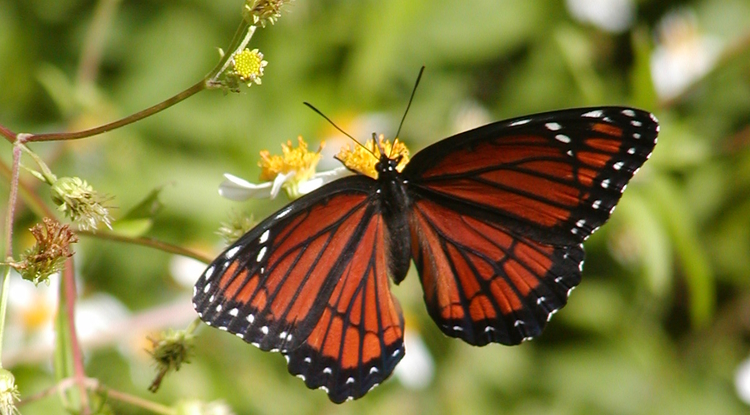
Limenitus archippus, the viceroy butterfly is a mimic, modeling its orange-and-black colors after the queen butterfly, a bug that tastes so disgusting predators have learned not to eat it or anything that looks like it, including viceroys.

The apparent dependence of mimics on their models made biologists wonder if the fates of the two species are forever intertwined. If so, then what happens when the mimic and the model part ways? Thanks to a new study, scientists know. Viceroy butterflies living in northern Florida, far away from the southern-dwelling queen butterflies, are not only more abundant than their southern kin, but they have also developed their own foul flavor.
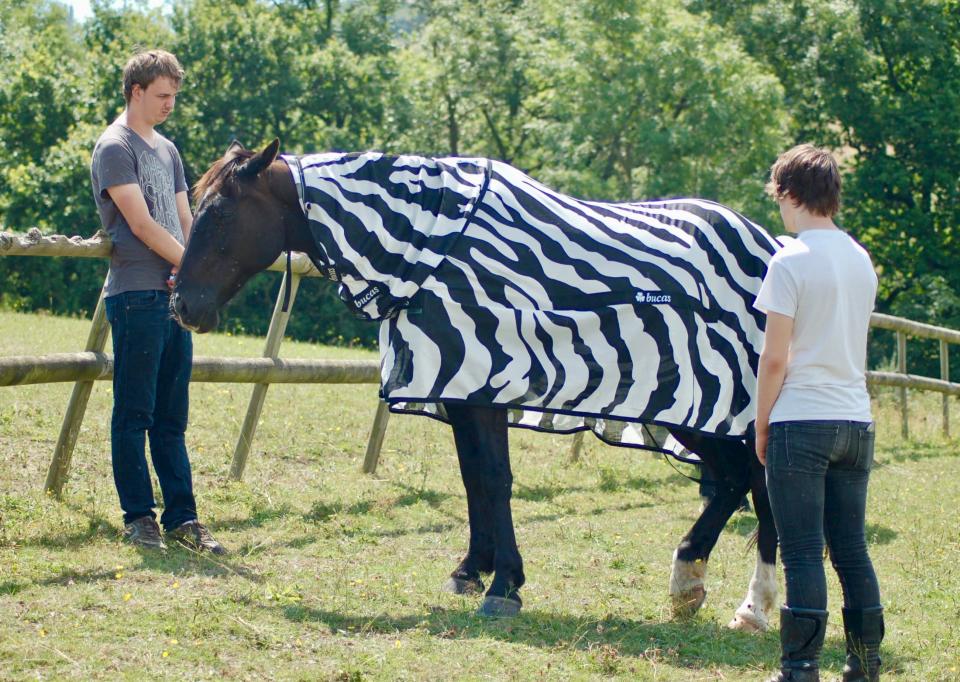
It is believed by some that zebras have black and white stripes as a defense mechanism against flies. To others, that seems too complex. In an Occam's Razor evolutionary universe it only leads to more speculation - why would they evolve such a sophisticated defense mechanism when it doesn't help, and flies are no less attracted to zebras than they are horses? Are zebras more prone to infectious diseases carried by African biting flies?  Or is the whole premise more like evolutionary psychology than science, where there is speculation neckties evolved so men would look like superior mates?
The natural opioid kratom, the leaves of a tropical tree in Southeast Asia (Mitragyna speciosa) is a great analgesic because it's an opioid.  It has become popular because supplements are exempt from government oversight unless companies are causing people to fall over, which has happened - they seized 90,000 bottles of it in 2016 and want to ban its importation due to concerns about safety.