Dog owners think dogs are exceptionally intelligent - a whole television show was made about a dog named Lassie who got humans out of all kinds of fantastic situations - while cat owners believe the same about their pets.
But are dogs smarter than other animals or pets? Not really, according to a review of over 300 papers which compared the brain power of dogs with other domestic animals, other social hunters and other carnivorans (which includes dogs, wolves, bears, lions, hyenas, and more).
On occasion there are renewed claims that even moderate alcohol consumption might "cause" breast cancer. As science advances so do claims about new ways to suggest harm. An example is recent claims about epigenetic alterations and lifestyle behaviors.
Yet there are flaws in such a simplistic approach to correlating one lifestyle option out of hundreds, like modest alcohol consumption, and breast cancer, which comprises 21 subtypes with each subtype displaying its own unique pathological signature.
Once upon a time, non-fat milk (the cream removed) was only used for fattening pigs. It was clearly a technological process to remove the cream but it is not considered "unnatural" - in 2012, the Obama administration even told schools to start serving it as a healthier alternative to regular milk. Meanwhile, the same administration delayed a salmon because it had a gene from a similar salmon that would allow it to grow all year 'round. The second technology was "unnatural."
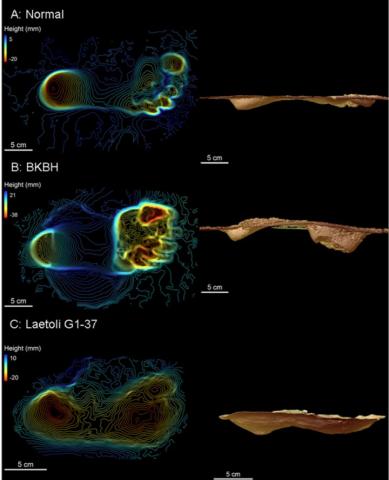
The transition from ape-like shuffling to upright walking (bipedalism) as we do has long fascinated scientists. Why did it happen? When?
The second question is a little closer to being solved. An analysis of 3.6 million year old hominin footprints in Tanzania suggests our ancestors evolved the hallmark trait of extended leg, human-like bipedalism substantially earlier than previously thought. Many millions of years before humans. Like the chicken and the egg, there is a clear science answer about which came first even if philosophers are baffled.
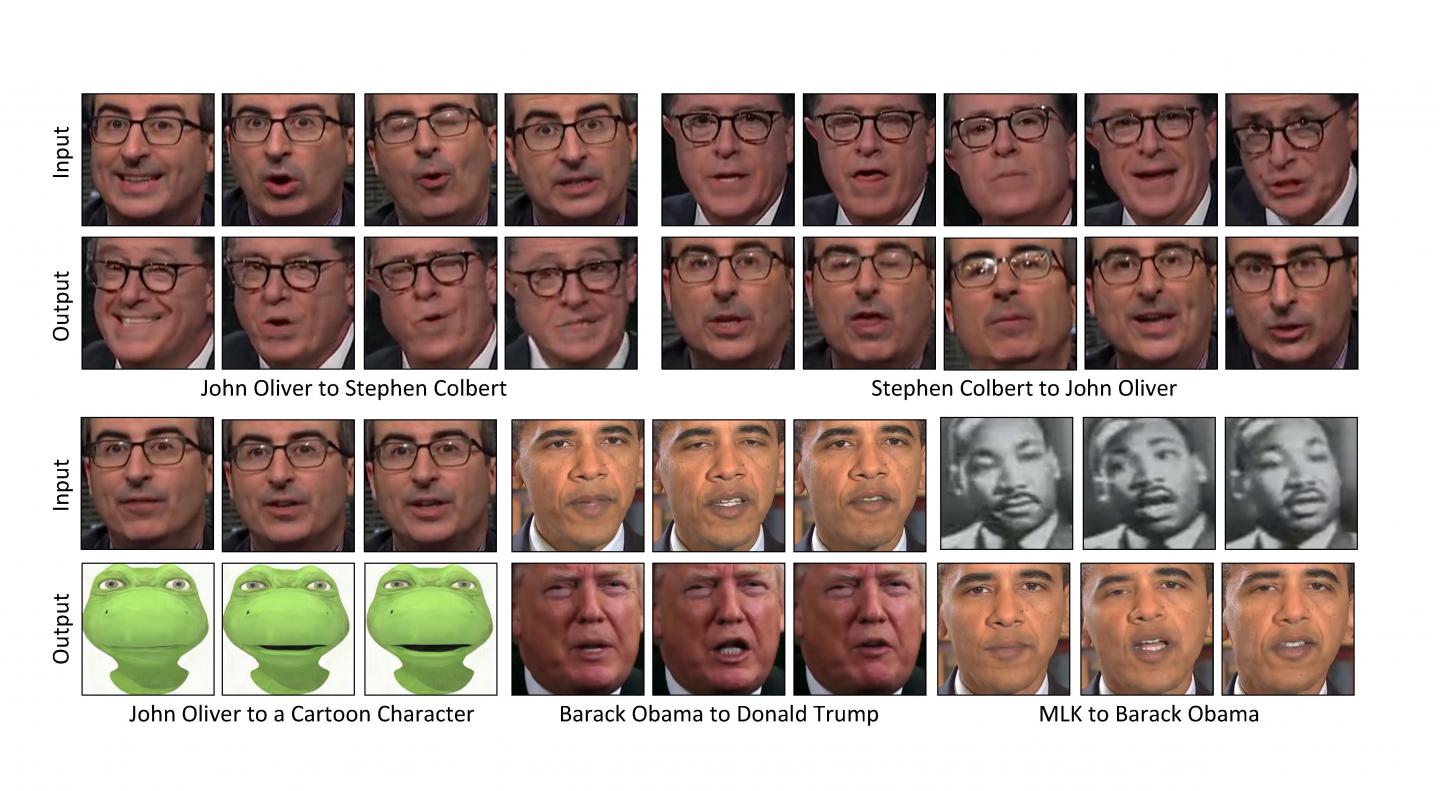
Researchers at Carnege-Mellon University have found a way to use Artificial Intelligence (AI) schemes to transfer content from one video to the style of another. So they can make a daffodil bloom like the way a hibiscus bloom does or make clouds that are crossing the sky rapidly on a windy day be slowed to give the appearance of calmer weather during movie shoots.
There is a vicious cycle of vanity on social media,
according to new results. College-age women who viewed positive feedback on Instagram selfies then experienced greater body dissatisfaction - because they put more focus on appearance and in the end fueled body dissatisfaction among viewers.


 Pilot Study: Fibromyalgia Fatigue Improved By TENS Therapy
 High Meat Consumption Linked To Lower Dementia Risk
 Long Before The Inca Colonized Peru, Natives Had A Thriving Trade Network
 Mesolithic People Had Meals With More Tradition Than You Thought