Banner
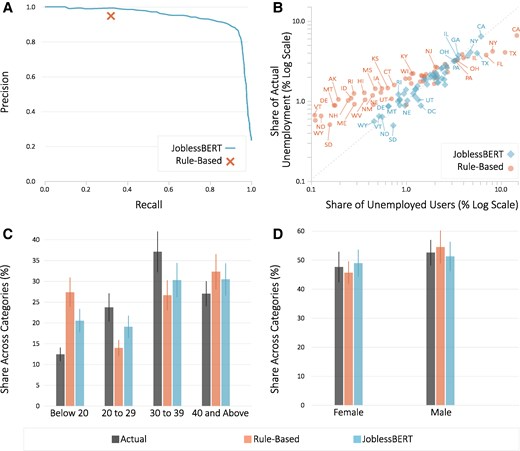
Social Media Is A Faster Source For Unemployment Data Than Government

Government unemployment data today are what Nielsen TV ratings were decades ago - a flawed metric...

Gestational Diabetes Up 36% In The Last Decade - But Black Women Are Healthiest

Gestational diabetes, a form of glucose intolerance during pregnancy, occurs primarily in women...
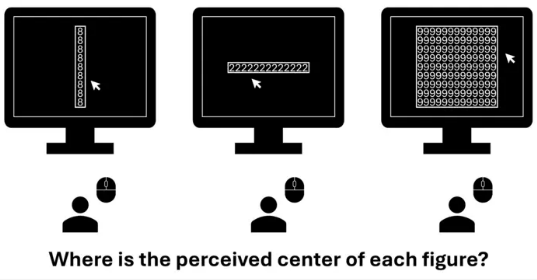
Object-Based Processing: Numbers Confuse How We Perceive Spaces

Researchers recently studied the relationship between numerical information in our vision, and...
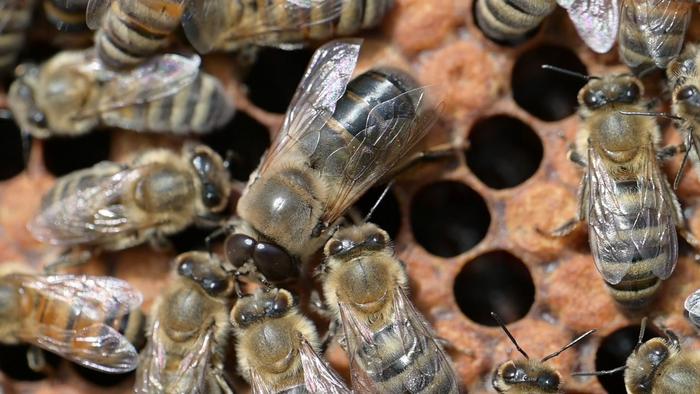
Males Are Genetically Wired To Beg Females For Food

Bees have the reputation of being incredibly organized and spending their days making sure our...

User picture.
News StaffRSS Feed of this column.

News Releases From All Over The World, Right To You... Read More »

Blogroll
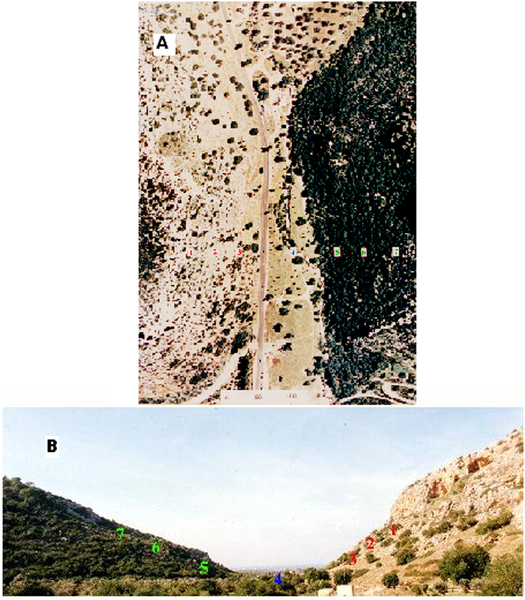
Scorpions possess resistance to high temperatures and the ability to conserve water for long periods of time, and as a result thrive in hot and arid parts of the world. But is this global distribution also seen at a more local level?   Doctoral student Shmuel Raz and colleagues at the University of Haifa, Israel show that this is indeed the case, even when European-like and African-like habitats were separated by no more than 100 meters. 

Shmuel Raz and colleagues studied the communities of scorpions in a valley near Mount Carmel in Israel which has been dubbed "Evolution Canyon." Evolution Canyon" has steep slopes and runs approximately east-west, which means that the south-facing slope receive up to eight times as much solar radiation as the north-facing slope .

Soy aglycons of isoflavone (SAI), a group of soybean constituent chemicals, have been shown to promote health in a rat model of the menopause. The research in  Nutrition&Metabolism shows how dietary supplementation with SAI lowers cholesterol, increases the anti-oxidative properties of the liver and prevents degeneration of the vaginal lining.

Spoonjack today announced iBone -- the Pocket Trombone for iPhone and iPod Touch. iBone lets users play along with music in their iTunes library and with songs from the iBone Songbook and even shows them how. iBone combines an instrument, band, and trainer into a single application.

"Our aim is to produce something playable, practicable, and fun," said Tom Scharfeld, Founder of Spoonjack. "With iBone, we've brought the Bone and the band to the phone so users can make music, have fun, and even learn wherever they may be."

iBone features an interface easy enough for anyone to use: 1. Touch the display or blow into the microphone to produce a sound. 2. Slide fingers to change pitch. 3.

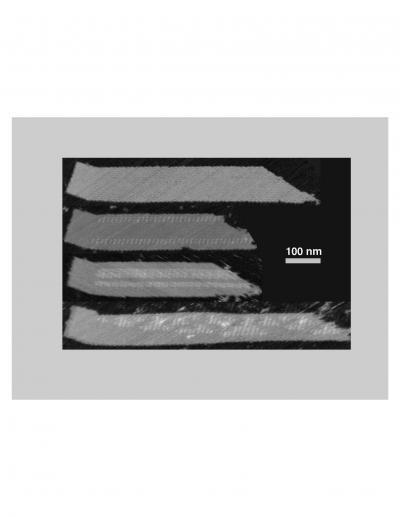
Complex objects like automobiles and birthday cakes are created using a 'top down' process; the structure is imposed from the outside.    When things grow using order imposed from within, like biological objects, it is called a bottom-up approach.   

The construction of complex man-made objects--a car, for example, or even a pizza--almost invariably entails what are known as "top-down" processes, in which the structure and order of the thing being built is imposed from the outside (say, by an automobile assembly line, or the hands of the pizza maker).

Engineers at Oregon State University say they have discovered a way to use ancient life forms, diatoms, to create one of the newest technologies for solar energy - systems that may be surprisingly simple to build compared to existing silicon-based solar cells.

Diatoms are tiny, single-celled marine life forms have existed for at least 100 million years and are the basis for much of the life in the oceans, but they also have rigid shells that can be used to create order in a natural way at the extraordinarily small level of nanotechnology.   They are also a key part of the marine food chain and help cycle carbon dioxide from the atmosphere. 

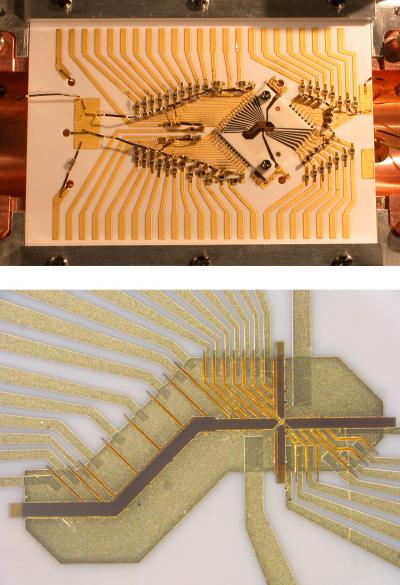
Physicists at the National Institute of Standards and Technology (NIST) have demonstrated a new ion trap that enables ions to go through an intersection while keeping their cool. Ten million times cooler than in prior similar trips, in fact.

The demonstration described in Physical Review Letters is a step toward scaling up trap technology to build a large-scale quantum computer using ions (electrically charged atoms), a potentially powerful machine that could perform certain calculations—such as breaking today’s best data encryption codes—much faster than today’s computers.