Banner
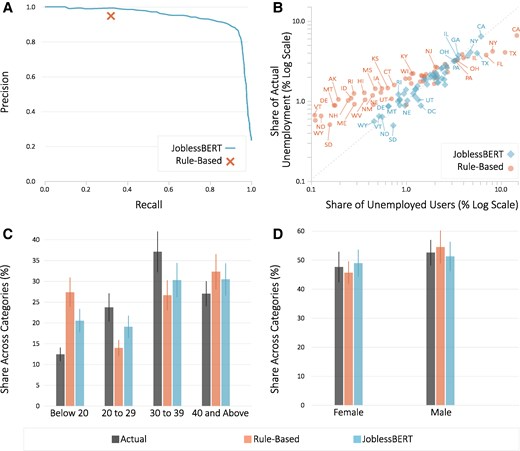
Social Media Is A Faster Source For Unemployment Data Than Government

Government unemployment data today are what Nielsen TV ratings were decades ago - a flawed metric...

Gestational Diabetes Up 36% In The Last Decade - But Black Women Are Healthiest

Gestational diabetes, a form of glucose intolerance during pregnancy, occurs primarily in women...
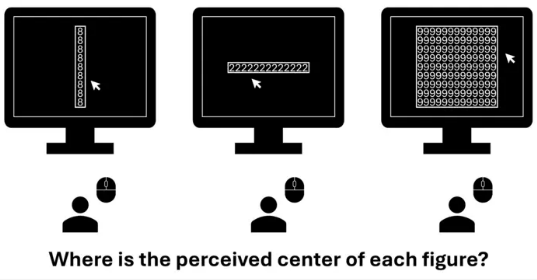
Object-Based Processing: Numbers Confuse How We Perceive Spaces

Researchers recently studied the relationship between numerical information in our vision, and...
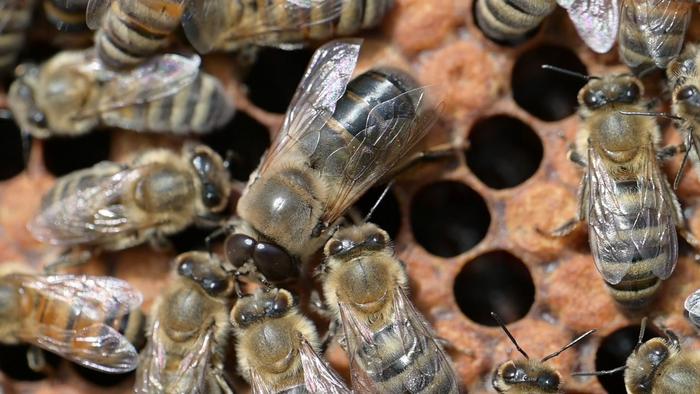
Males Are Genetically Wired To Beg Females For Food

Bees have the reputation of being incredibly organized and spending their days making sure our...

User picture.
News StaffRSS Feed of this column.

News Releases From All Over The World, Right To You... Read More »

Blogroll

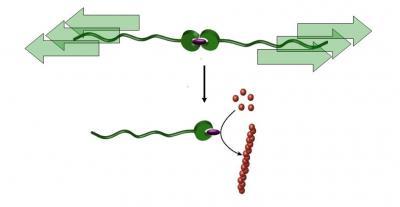
Researchers at Eindhoven University of Technology (TU/e) have developed an entirely new method for starting chemical reactions. For the first time they used mechanical forces to control catalytic activity – one of the most fundamental concepts in chemistry. This allowed them to initiate chemical reactions with mechanical force. This discovery paves the way to developing materials capable of repairing themselves under the influence of mechanical tension. The results of their research were published in Nature Chemistry.

Molecular ripcord

As science fiction plot lines go, the unintended consequences of yielding tasks too complicated or dangerous for human hands to computers and robots is a popular one. Yet real life scientists are increasingly doing just that, creating automated systems and devices that can not only help collect, organize and analyze scientific data, but that are also able to intelligently and independently draw up new hypotheses and approaches to research based on the data they receive.

Writing in Science, David Waltz of the Center for Computational Learning Systems at Columbia University and Bruce G. Buchanan of the computer science department at the University of Pittsburgh discuss this 'brave new world' of scientific research and its implications for the way science is conducted.

Researchers at the University of California, San Diego School of Medicine have compiled the first-ever review of the neurobiology of wisdom – once the sole province of religion and philosophy. The study by Dilip V. Jeste, MD, and Thomas W. Meeks, MD, of UC San Diego's Department of Psychiatry and the Stein Institute for Research on Aging, was published in the Archives of General Psychiatry.

Wisdom has been defined over centuries and civilizations to encompass numerous psychological traits. Components of wisdom are commonly agreed to include such attributes as empathy, compassion or altruism, emotional stability, self-understanding, and pro-social attitudes, including a tolerance for others' values.

With climate change looming, the hunt for places that can soak up carbon dioxide from the atmosphere is on.

Obvious "sinks" for the greenhouse gas include the oceans and the enormous trees of tropical rainforests. But temperate forests also play a role, and new research now suggests they can store more carbon than previously thought.

In a study that drew on both historical and present-day datasets, Jeanine Rhemtulla of McGill University and David Mladenoff and Murray Clayton of University of Wisconsin-Madison quantified and compared the above-ground carbon held in the forest trees of Wisconsin just prior to European settlement and widespread logging, and the total carbon they contain today.

The genetic toolkit that animals use to build fins and limbs is the same genetic toolkit that controls the development of part of the gill skeleton in sharks, according to research published in PNAS by Andrew Gillis and Neil Shubin of the University of Chicago, and Randall Dahn of Mount Desert Island Biological Laboratory.

Contrary to common belief, softball pitching subjects the biceps to high forces and torques when the player's arm swings around to release the ball, according to an analysis of muscle firing patterns conducted at Rush University Medical Center.

Published in the current issue of the American Journal of Sports Medicine, the study of the "windmill" pitching motion appears to explain the high incidence of anterior shoulder pain seen in female softball players.

"The conventional belief has been that the underhand throwing motion of softball places little stress on the arm," said Dr. Nikhil Verma, lead author and a specialist in sports medicine at Rush. "But that is not the case."