Researchers at the University of Florida have introduced 'Delicious', a new muscadine grape cultivar. 'Delicious' ripens early, produces high yields, and is disease-resistant. The black fruit features exceptional taste and texture with an edible skin, making it well-suited for fresh fruit consumption and the potential for wine production. The name 'Delicious' was selected based on the comments of vineyard visitors who sampled the fruit.
A new study published today in the journal Addiction shows that drinking alcohol is the greatest risk factor for acetaldehyde-related cancer. Heavy drinkers may be at increased risk due to exposure from multiple sources.
In the days of Columbus, dead men could tell no tales. Today, dead men can tell us a lot and science has just taken that forensic interrogation to new heights.
A team of researchers from the University of Wisconsin-Madison is extracting the details of the lives of crew members who remained on the island of Hispaniola after the second voyage of Christopher Columbus to America in 1493-94.
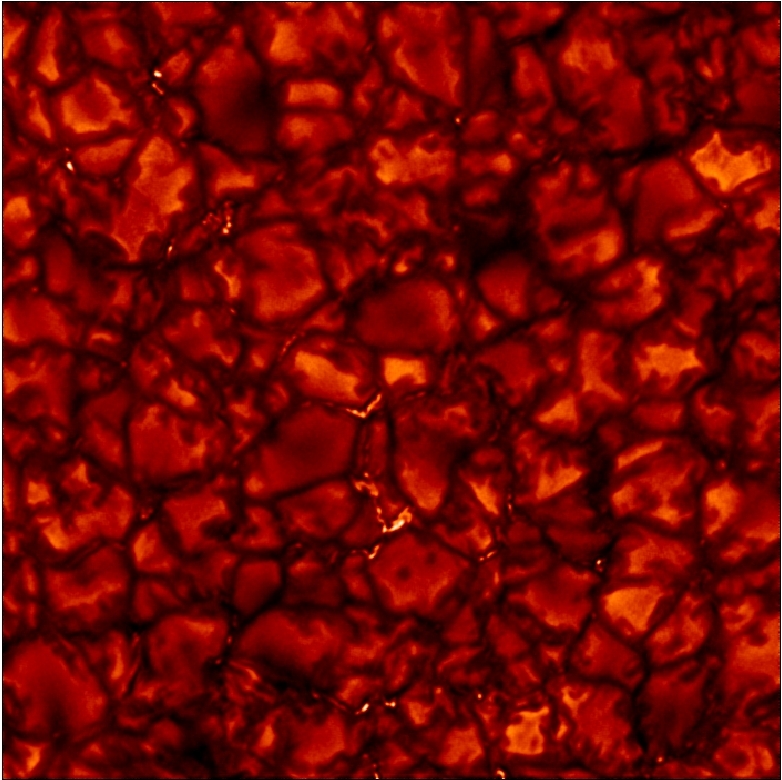
Scientists say they have detected giant twisting waves in the lower atmosphere of the Sun, shedding light on the mystery of the Sun's corona, the region around the Sun, extending more than one million kilometres from its surface, which has a vastly higher temperature than its surface. The findings of this investigation could help us understand more about the turbulent solar weather and its affect on our planet.
The massive solar twists, known as Alfvén waves, were discovered in the lower atmosphere with the Swedish Solar Telescope in the Canary Islands by scientists from Queen's University Belfast, the University of Sheffield and California State University Northridge.
New research on the reporting of medical treatments in the Australian media showed slight improvements in accuracy but the overall quality of health reporting remained poor, says a study of more than 1,200 health news stories published by Australian media outlets. It found that over the past four years there was only small improvement in quality of coverage of the availability of new treatments, the potential harm of interventions and accurate analysis of any benefits.
If you're Scottish- or Irish-born, you are twice as likely as natives to die an alcohol-related death if you move to England or Wales; surprising because most people assume if they die in Wales it will be from a beer bottle smashed over their head at a Cardiff game rather than the alcohol itself.
But it's not just a risk for natives of the British Isles; the research conducted by the University of Edinburgh and the Office for National Statistics also found that men born in India – but living in England and Wales – had similar rates of alcohol-related death as Scottish- and Irish-born people.


 Social Media Is A Faster Source For Unemployment Data Than Government
 Gestational Diabetes Up 36% In The Last Decade - But Black Women Are Healthiest
 Object-Based Processing: Numbers Confuse How We Perceive Spaces
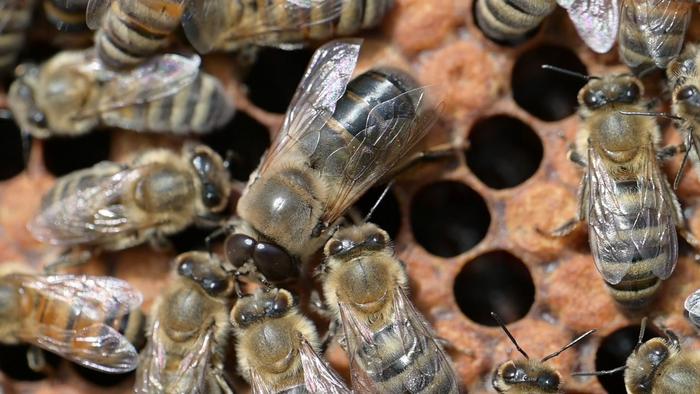 Males Are Genetically Wired To Beg Females For Food