Polymorphisms are variations in genes which can result in changes in the way a particular gene functions and thus may be associated with susceptibility to common diseases.
In a new study in Psychological Science, psychologist Tina B. Lonsdorf and her colleagues from the Karolinska Institutet in Sweden and the University of Greifswald in Germany examined the effect of specific polymorphisms on how fear is learned and how that fear is subsequently overcome.
You might think that predicting eye color is easy because we all learned in high school about recessive genes and eye color is a great example of those. But it isn't easy. In fact, human eye color, which is determined by the extent and type of pigmentation on the eye's iris, is what geneticists call a 'complex trait, meaning that several genes control which color the eyes will ultimately have. Over the past decades a number of such 'eye-color genes' have been identified, and people with different eye color, will have a different DNA sequence at certain points in these genes.
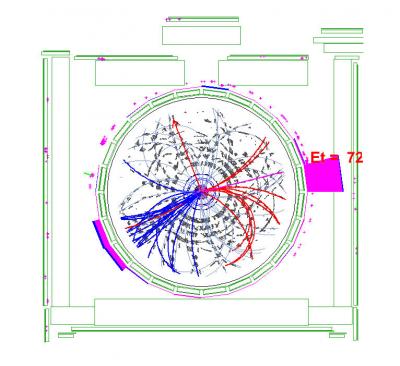
There's no question that employees at Fermi National Accelerator Laboratory have watched with some concern as the LHC got all the press about being the future of physics despite the fact it hadn't actually produced anything. They have also quietly continued setting world records and are once again reminding people that Fermilab's Tevatron, currently the world's most powerful operating particle accelerator, is actually ahead, even in the race to find the as-yet undefined "Higgs particle."
Animals have an astonishing ability to develop reliably, in spite of variable conditions during embryogenesis. New research published this week addresses how living things can develop into precise, adult forms when there is so much variation present during their development stages. A team led by John Reinitz at Stony Brook University, and funded by the National Institutes of Health, shows how fruit fly embryos can "forget" initial incorrect versions of their body plan and develop into recognizable adult flies.
Having a bad 2009? It's only going to get worse when those printing presses they use to make more money finally break down. But there is always a bright spot on dark days; babies.
Each year some 1,500 Swedes decide to end their lives. No one can be sure what the reasons are but they often include mental and sometimes physical issues.
It could also be surroundings, say researchers at Stockholm University and the University of Oxford, though that would seem to be taking a 'Keep up with the Jones'es' mentality a little far. But various types of behavior, feelings, and attitudes are spread in social networks and the researchers have studied whether such a drastic step as taking your life can also be influenced by others. They used register data on all individuals who lived and worked in Stockholm County during the 1990s.


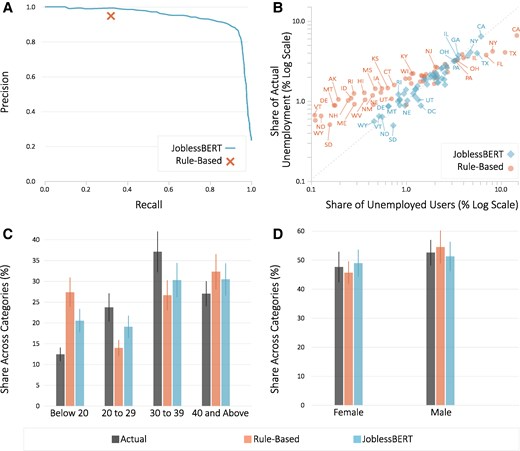 Social Media Is A Faster Source For Unemployment Data Than Government
 Gestational Diabetes Up 36% In The Last Decade - But Black Women Are Healthiest
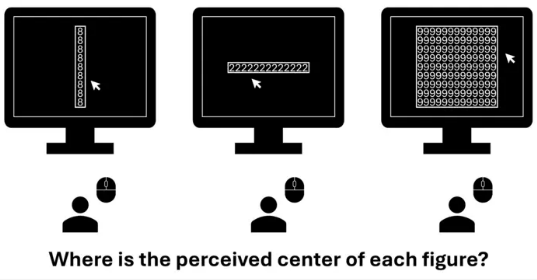 Object-Based Processing: Numbers Confuse How We Perceive Spaces
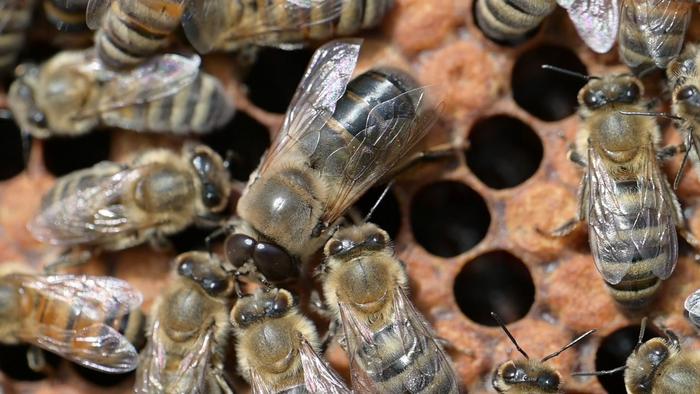 Males Are Genetically Wired To Beg Females For Food