Cigarette smoking may increase the risk of experiencing an aneurysm for people who carry common gene variants, according to research presented at the American Stroke Association's International Stroke Conference 2010.
In one study, researchers found that the chance of an intracranial aneurysm increased between 37 percent and 48 percent for people who carried one copy of an identified risky gene variation. However, when the gene variant was combined with smoking the equivalent of one pack a day for 20 years, the risk increased more than five-fold. People with two copies of the gene variant were at even higher risk.
University of Pennsylvania scientists have found that mixed lineage leukemia (MLL), has an unusual way to keep the molecular motors running. The cancer cells rely on the normal version of an associated protein to stay alive.
MLL happens when a piece of chromosome 11 breaks off at the normal MLL-associated gene. The broken gene attaches itself to another chromosome, resulting in a fusion protein that eventually causes uncontrolled growth of blood cells.
Researchers discovered that this runaway growth triggered by the fusion protein is blocked when the gene for the normal protein is deleted from leukemia cells. This indicates that the normal protein is required for MLL to proliferate.
Comets are thought to be some of the oldest, most primitive bodies in the solar system, but new research on the comet Wild 2 indicates that inner solar system material was transported to the comet-forming region at least 1.7 million years after the formation of the oldest solar system solids.
Published in Science, the research provides the first constraint on the age of cometary material from a known comet. The findings are published in the Feb. 25 edition of Science Express.
The NASA Stardust mission to comet Wild 2, which launched in 1999, was designed around the premise that comets preserve pristine remnants of materials that helped form the solar system. In 2006, Stardust returned with the first samples from a comet.
Video games may help recovering stroke patients improve their motor function, according to research presented at the American Stroke Association's International Stroke Conference 2010.The pilot study focused on movements with survivors' impaired arms to help both fine (small muscle) and gross (large muscle) motor function.
Twenty survivors (average age 61) of mild to moderate ischemic or hemorrhagic strokes were randomized to playing recreational games (cards or Jenga, a block stacking and balancing game) or Two Nintendo Wii games, tennis or Wii Cooking Mama, which uses movements that simulate cutting a potato, peeling an onion, slicing meat and shredding cheese.
New research using magnetic resonance imaging (MRI) shows that abuse or emotional neglect during childhood combined with genetic factors can result in structural brain changes, rendering some individuals more vulnerable to depression. The study results appear in Neuropsychopharmacology.
The food police have argued amongst themselves for many years over how to change consumers' eating habits. Some have suggested that 'pricing strategies' (i.e. higher taxes) may change behavior while others say subsidies for healthy foods are the way to encourage people to eat fruits, vegetables and whole grains. The thought is that if you make it cheaper, people will eat more of it, more expensive and people will eat less.
To sort out the controversy, a team of researchers from the University of Buffalo set out to determine in the laboratory which method is best for dictating to consumers what's good for them, taxes on junk food or subsidies for healthy food. Their results appear this month in Psychological Science.


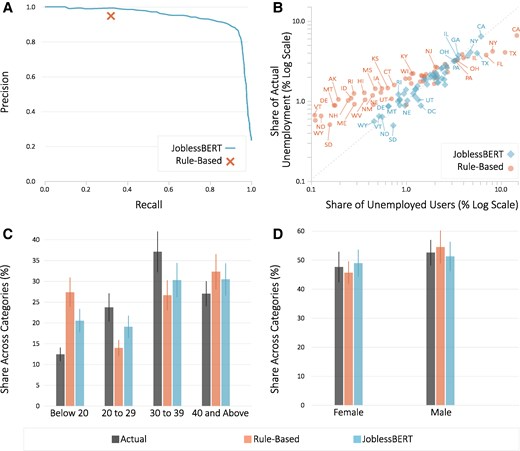 Social Media Is A Faster Source For Unemployment Data Than Government
 Gestational Diabetes Up 36% In The Last Decade - But Black Women Are Healthiest
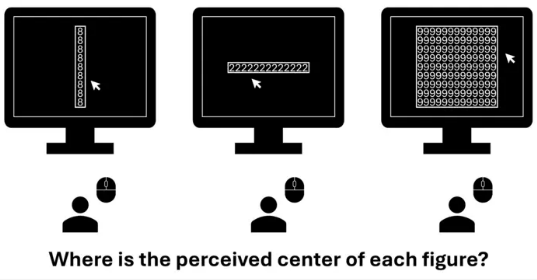 Object-Based Processing: Numbers Confuse How We Perceive Spaces
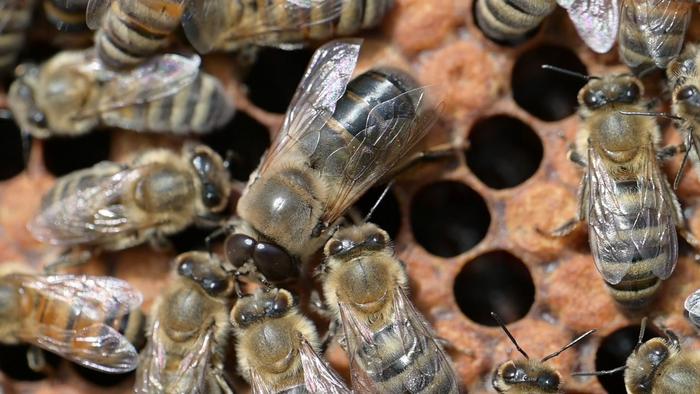 Males Are Genetically Wired To Beg Females For Food









