Beta blockers are drugs primarily for treating high blood pressure and arrhythmias. They work blocking a hormone known as epinephrine, better known as adrenaline - the same hormone that floods our bodies during times of anxiety and stress.
That’s why beta blockers are becoming popular off-label for anxiety.
Anxiety is not what it used to be. You are not worried about being eaten by a tiger or sacked by Mongol hordes, you are maybe unhappy in your marriage or don't feel appreciated at work. Pills to the rescue, if you are in a wealthy country like America.
So some doctors are recommending them for patients to take in specific instances, rather than general use like antidepressants or benzodiazepines.
Biogenic volatile organic compounds produced by the cannabis plants during growth and reproduction, the same chemicals responsible for the pungent smell of a cannabis plant, also contribute to air pollution on a much larger scale, according to new research.
This fall we will get a new "Teminator" movie, marking 35 years that a dystopian nightmare about robots taking over and killing us all has been front and center in pop culture awareness.
The dystopian nightmare may happen to fish first. Swimming terminators could be ready to fight against one of the world's most problematic invasive species, the mosquitofish.
Found in freshwater lakes and rivers worldwide, soaring mosquitofish populations have decimated native fish and amphibian populations, and attempts to control the species through toxicants or trapping often fail or cause harm to local wildlife.
When it comes to getting treatment for cancer treatment, your marital status could be making a significant difference in the level of medical care you get, finds a new analysis.
The stakes are high, given that 45 percent (<111 million) U.S. adults are unmarried and given the demographic trend among young people that number is likely to rise.
After Friedrich Wohler accidentally synthesized urea in 1828, chemical synthesis - and organic synthesis for that - has been a driving force in pharmaceutical innovation.
We live longer and better than ever and we can thank the continuous advancement of synthetic chemistry, which allows scientists to design and build new molecules.
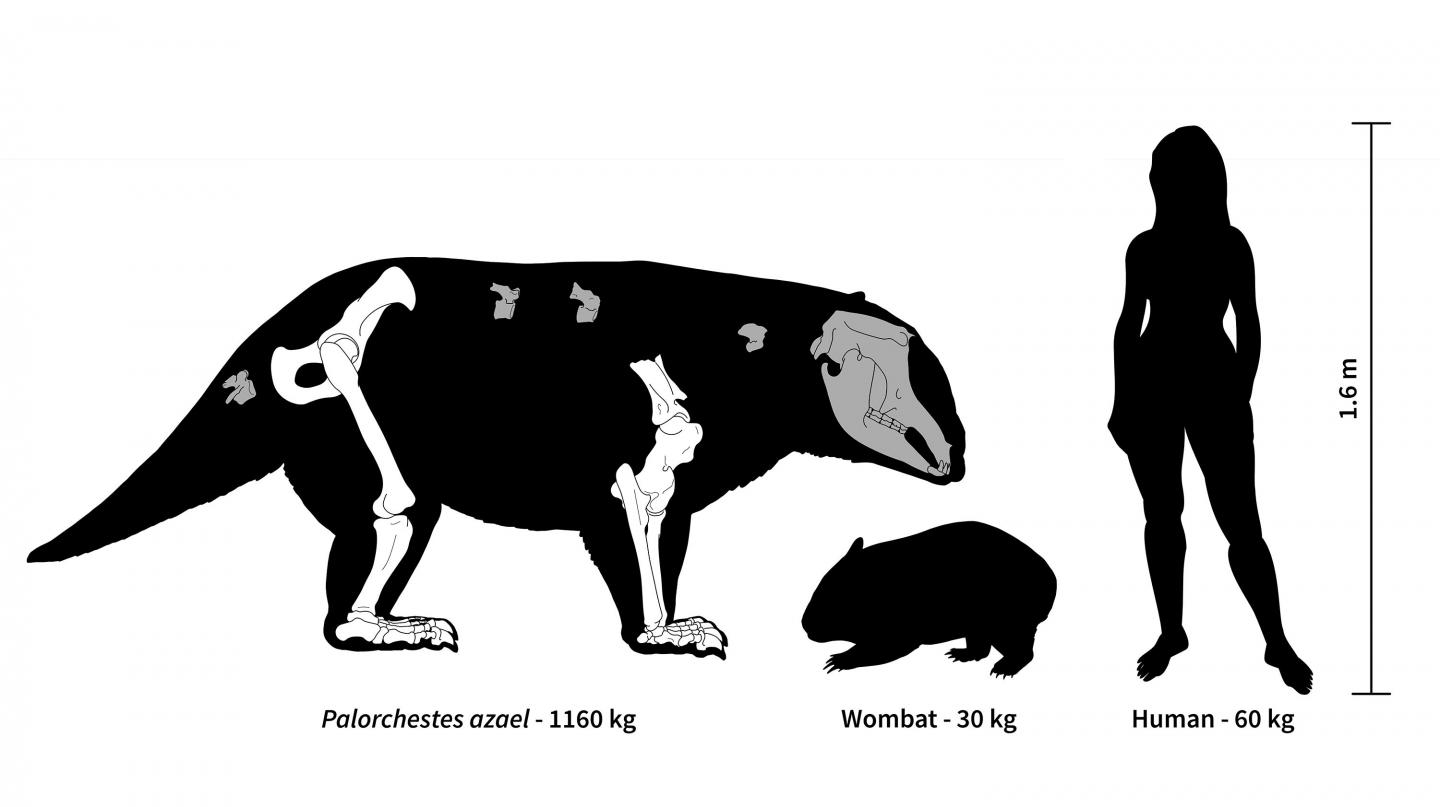
When we think of marsupials (carrying young in a pouch) they are small and cute (opossum, wombat) to a little more menacing (kangaroos in boxing gloves) but nothing like Palorchestid marsupials, an extinct group of Australian megafauna, who were large, had strange tapir-like skulls, and large claws.
Over the course of their evolution, palorchestids grew even larger and stranger. Using limb proportions as a proxy for body size, these authors estimated that the latest and largest of the palorchestids weighed over 2,000 lbs. Furthermore, their forelimbs were extremely muscular and were likely adapted for grabbing or scraping at leaves and branches.


 Pilot Study: Fibromyalgia Fatigue Improved By TENS Therapy
 High Meat Consumption Linked To Lower Dementia Risk
 Long Before The Inca Colonized Peru, Natives Had A Thriving Trade Network
 Mesolithic People Had Meals With More Tradition Than You Thought