
Banner
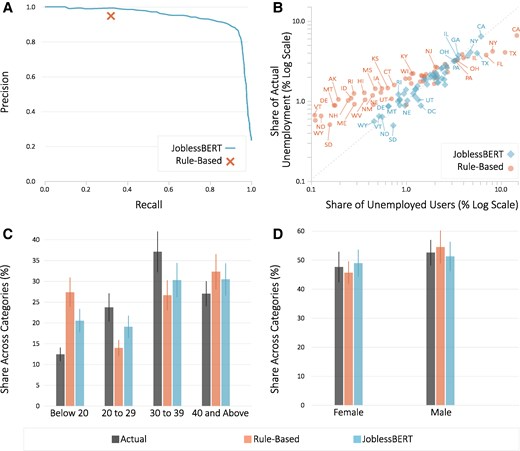
Social Media Is A Faster Source For Unemployment Data Than Government

Government unemployment data today are what Nielsen TV ratings were decades ago - a flawed metric...
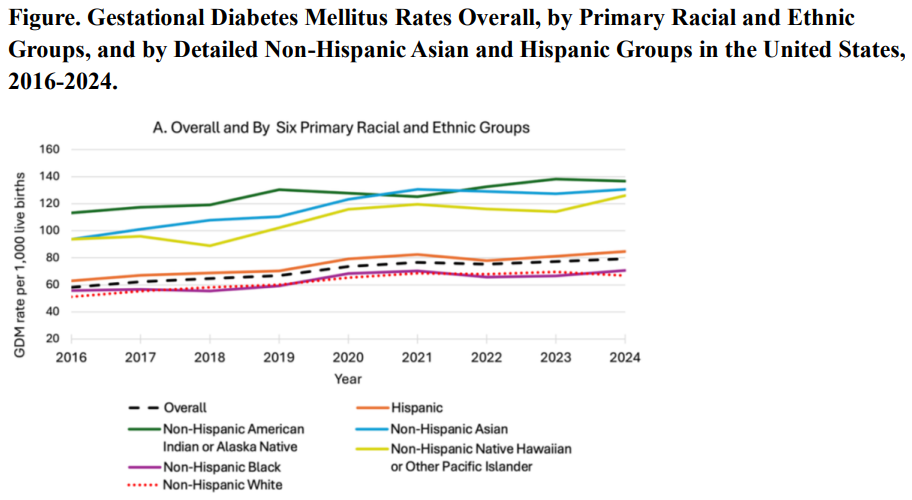
Gestational Diabetes Up 36% In The Last Decade - But Black Women Are Healthiest

Gestational diabetes, a form of glucose intolerance during pregnancy, occurs primarily in women...
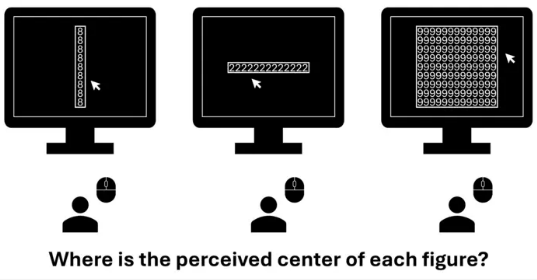
Object-Based Processing: Numbers Confuse How We Perceive Spaces

Researchers recently studied the relationship between numerical information in our vision, and...

Males Are Genetically Wired To Beg Females For Food

Bees have the reputation of being incredibly organized and spending their days making sure our...

User picture.
News StaffRSS Feed of this column.

News Releases From All Over The World, Right To You... Read More »

Blogroll

America and the UK are sarcastic nations. Maybe they care too much. Children learn early to recognize sarcasm, especially if they have greater empathy, according to a new study.

For children, sarcastic language can be difficult to understand, but they generally begin to recognize sarcasm between ages 6 and 8, especially familiar sarcastic praise such as "Thanks a lot!" and "Nice going!" Some children take much longer to begin to understand sarcasm and the authors of the paper investigated whether differences in the ability of children to empathize with others might help to explain why.

A new paper analyzed organizational change in state health-related departments from 1990 to 2009. The researchers discovered that in many cases states kept the same organizational structure in place during the 20-year period, even though consolidating public health departments with Medicaid departments did occur with some frequency.

27 states had housed the two functions together at one point in the 20-year period. And when they did so, the funding allocated to the public health department remained unchanged. The authors conclude that the results help allay concerns that when such mergers occur they automatically lead to cutbacks in jobs.

A transgenerational study with female rats suggests that exposure to social stress not only impairs a mother's ability to care for her children but can also negatively impact her daughter's ability to provide maternal care to future offspring. 

Researchers at the Cummings School of Veterinary Medicine at Tufts University conducted examined the behavioral and physiological changes in mothers exposed to chronic social stress early in life as a model for postpartum depression and anxiety. 

Eating disorders such as anorexia nervosa and bulimia nervosa are primarily cultural but the search is also on for a biological disposition that would confirm it outside primarily middle-class white girls in developed nations. Eating disorders are found in families but no genetic basis for predisposition has been identified. 

You've seen advertisements for brain training games, apps, and websites that promise to give your mental abilities a boost - even "Baby Einstein" videos for infants make the claim that they will lead to higher intelligence.

A new paper finds that brain training programs might strengthen the ability to hold information but they won't bring any benefits to intelligence, like helping you reason and solve problems.

The cognitive boost claims are based on correlations between working memory capacity (WMC), our ability to keep information either in mind or quickly retrievable, particularly in the presence of distraction, and general fluid intelligence. General fluid intelligence is the ability to infer relationships, do complex reasoning, and solve novel problems.

Marijuana use continues to be on the upswing in the United States. A public relations campaign claiming health benefits while ignoring health risks have led to diminishing public disapproval and more lenient legislation.

People who disapprove of a particular drug are unlikely to use it, but what about the gateway affect? Does the use of one drug affects people's attitudes toward using other drugs? Do personality traits matter?

High school seniors who frown upon the use of drugs are most likely to be female, nonsmokers or hold strong religious beliefs, according to a paper by Joseph Palamar of New York University. Palamar that examines how teenagers' attitudes toward marijuana influenced their thoughts on the further use of other illicit drugs.





