Banner
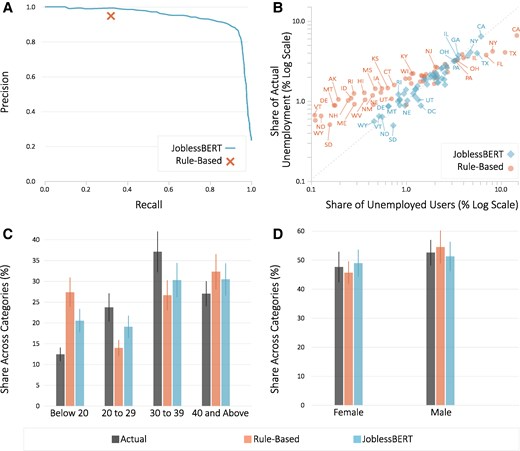
Social Media Is A Faster Source For Unemployment Data Than Government

Government unemployment data today are what Nielsen TV ratings were decades ago - a flawed metric...
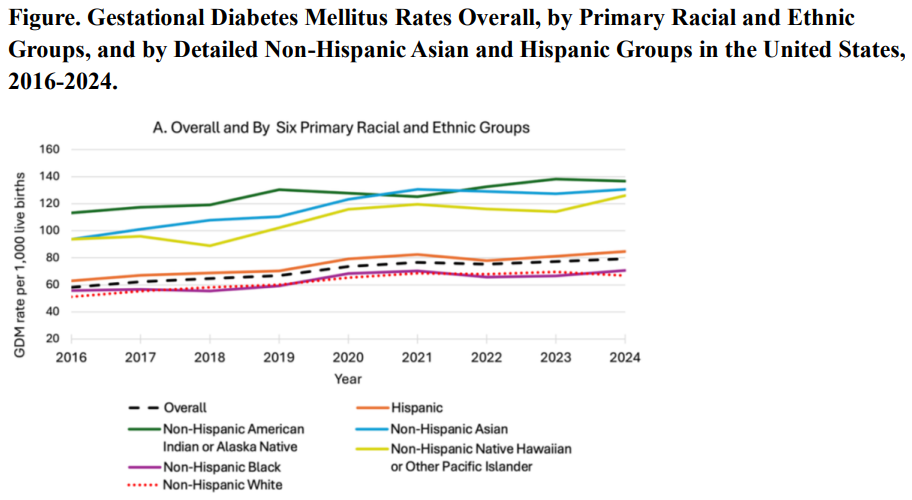
Gestational Diabetes Up 36% In The Last Decade - But Black Women Are Healthiest

Gestational diabetes, a form of glucose intolerance during pregnancy, occurs primarily in women...
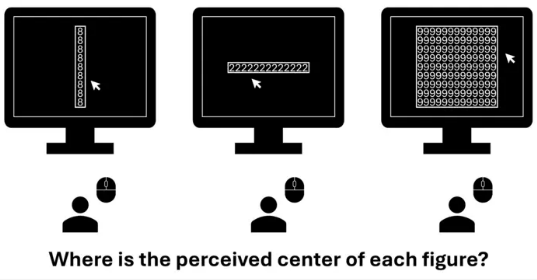
Object-Based Processing: Numbers Confuse How We Perceive Spaces

Researchers recently studied the relationship between numerical information in our vision, and...

Males Are Genetically Wired To Beg Females For Food

Bees have the reputation of being incredibly organized and spending their days making sure our...

User picture.
News StaffRSS Feed of this column.

News Releases From All Over The World, Right To You... Read More »

Blogroll

In a world of over-diagnosis, virtually anything can be considered a mental disorder if you are willing to pay someone to give you therapy for it. Afraid of attractive women? You have Venustraphobia. Afraid of GMO foods? The name is in the works.  Body piercings. plastic surgery, eating couch cushions, every odd compulsion has someone saying clinically it's real.

Even in the fuzzy world of behavior, being an actual clinical diagnosis requires an evidence basis and most pop diagnosis addictions don't have that; it's just individual weirdness manifesting a compulsion. 

Healthcare workers' use of disposable gowns and gloves upon entering all patient rooms on an intensive care unit, versus only in rooms on standard isolation protocol, helped reduce patient acquisition of methicillin-resistant Staphylococcus aureus (MRSA) by approximately 40 percent, according to new research.

The study did not show statistically significant results for preventing patient acquisition of another common bacteria, vancomycin-resistant Enterococcus (VRE) and the use of gowns and gloves increased handwashing frequency among healthcare workers and did not result in any increase in adverse events for patients.  

Huge ice channels almost as tall as the  Eiffel tower have been discovered beneath a floating ice shelf in Antarctica. They are 250 meters high, stretch hundreds of kilometers along the ice shelf, and likely influence the stability of the ice shelf.

The scientists used satellite images and airborne radar measurements to reveal the channels under the ice shelf. The channels can be seen on the surface of the ice shelf, as well as underneath, because the ice floats at a different height depending on its thickness.  

Fumigation is important in reducing food waste.  Weevils, moths and borer beetles live in a very comfortable environment when in the middle of a silo or warehouse fill with grains, where they perforate the external layer of the stored products, feed freely, and have an ideal temperature and enough oxygen to grow and breed.

This insects, alongside some fungi, bacteria and viruses, cause annual loses of between four and ten percent of all the stored grains worldwide, mainly corn, wheat, sorghum, rice and beans.

The main fumigation technique and pest control inside warehouses and silos has been the use of chemical substances such as aluminum phosphide and methyl bromide, which are effective but leave a toxic residue for human consumption.

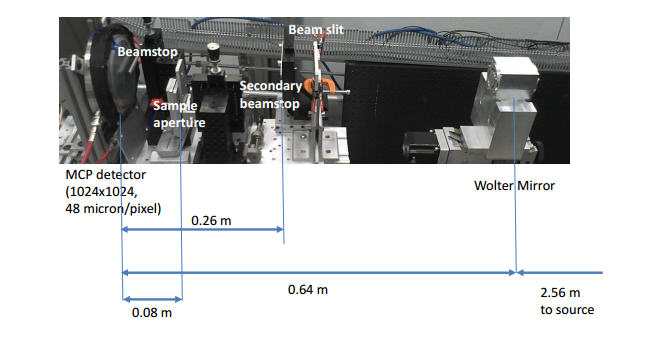
Researchers have developed a new concept for a microscope that would use neutrons,  subatomic particles with no electrical charge,
to create high-resolution images
instead of the more traditional beams of light or electrons.

Among other benefits, neutron-based instruments have the ability to probe inside metal objects, such as fuel cells, batteries, and engines, even when in use, and learn details of their internal structure. Neutron instruments are also uniquely sensitive to magnetic properties and lighter elements that are important in biological materials.

Consumer confidence in the safety of foods and beverages sold in the U.S. has dropped over the past five years according to survey results conducted in May/June of 2013.

Among a national sample of 2,100 adults, only one in six express a "great deal" of confidence in food safety.   By comparison, in 2008 approximately 25% of adults expressed a "great deal" of confidence.

The safety of imported foods is now the most pressing concern, followed by concerns about: