Banner
Social Media Is A Faster Source For Unemployment Data Than Government

Government unemployment data today are what Nielsen TV ratings were decades ago - a flawed metric...

Gestational Diabetes Up 36% In The Last Decade - But Black Women Are Healthiest

Gestational diabetes, a form of glucose intolerance during pregnancy, occurs primarily in women...

Object-Based Processing: Numbers Confuse How We Perceive Spaces

Researchers recently studied the relationship between numerical information in our vision, and...

Males Are Genetically Wired To Beg Females For Food

Bees have the reputation of being incredibly organized and spending their days making sure our...

User picture.
News StaffRSS Feed of this column.

News Releases From All Over The World, Right To You... Read More »

Blogroll
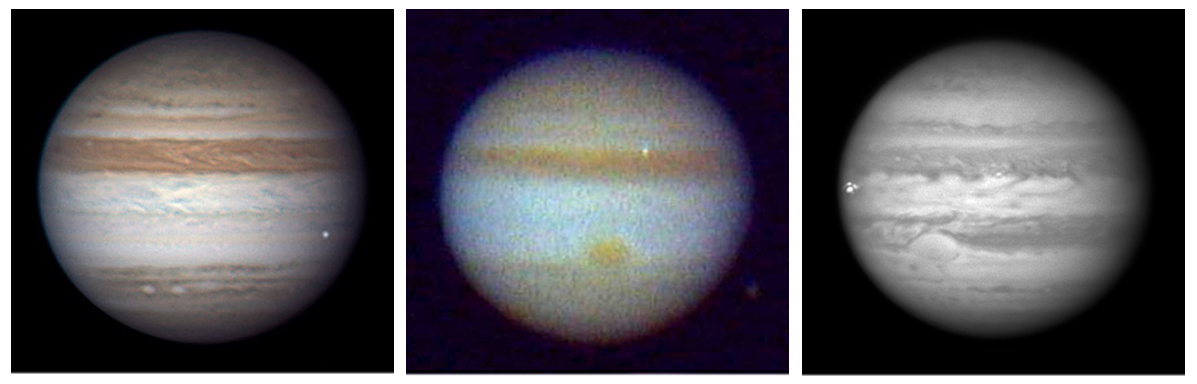
The solar system is crowded with small objects like asteroids and comets, and most have stable orbits which keep them out of harm’s way, but a small proportion of them are in orbits that risk collision with planets.

Smaller objects are more numerous and therefore result in more frequent collisions. The recent meteor seen over Chelyabinsk, Russia, in February 2013, was rare because the object was relatively large, around 17 meters across. However, the giant planet Jupiter is a much bigger target due to its tremendous gravitational attraction -- and it gets hit far more often than the Earth. The collisions are also much faster, happening at a minimum speed of 60 kilometers per second.

Working with cells in vitro and in mice, researchers have discovered that an antioxidant called ethoxyquin, a chemical commonly used as a dog food preservative, may prevent the kind of painful nerve damage found in the hands and feet of four out of five cancer patients taking the chemotherapy drug Taxol.

Ethoxyquin is a Food and Drug Administration-approved preservative and was shown in the new experiments to bind to certain cell proteins in a way that limits their exposure to the damaging effects of Taxol, the researchers say.

There are lots of ideas on how healthy habits transform into long-term lifestyle changes.

PhD candidate Marc Mitchell,writing in the American Journal of Preventive Medicine, suggests that receiving coupons and vouchers for as little as five dollars can help people stick to new fitness regimes. Under the guidance of Professors Jack Goodman and Guy Faulkner, Mitchell has completed a systematic review of research into the efficacy of financial incentives in inspiring lifestyle and health behavior change, specifically in people who've experienced cardiac problems. His analysis suggests that these small rewards increase the odds that patients will maintain an active lifestyle in the longer term.

Mayo Clinic researchers have shown that a specific protein pair may be a successful prognostic biomarker for identifying smoking-related lung cancers. The protein — ASCL1 — is associated with increased expression of the RET oncogene, a particular cancer-causing gene called RET. The findings appear in the online issue of the journal Oncogene.

"This is exciting because we've found what we believe to be a 'drugable target' here," says George Vasmatzis, Ph.D., a Mayo Clinic molecular medicine researcher and senior author on the study. "It's a clear biomarker for aggressive adenocarcinomas. These are the fast-growing cancer cells found in smokers' lungs."

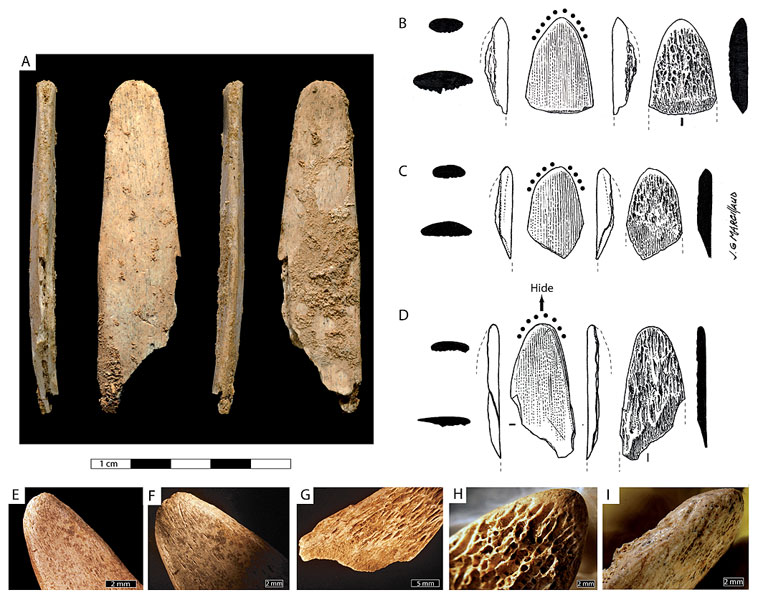
A bone fragment from a French archaeological site has turned out to be a part of an early specialized bone tool used by a Neanderthal before the first modern humans appeared in Europe.

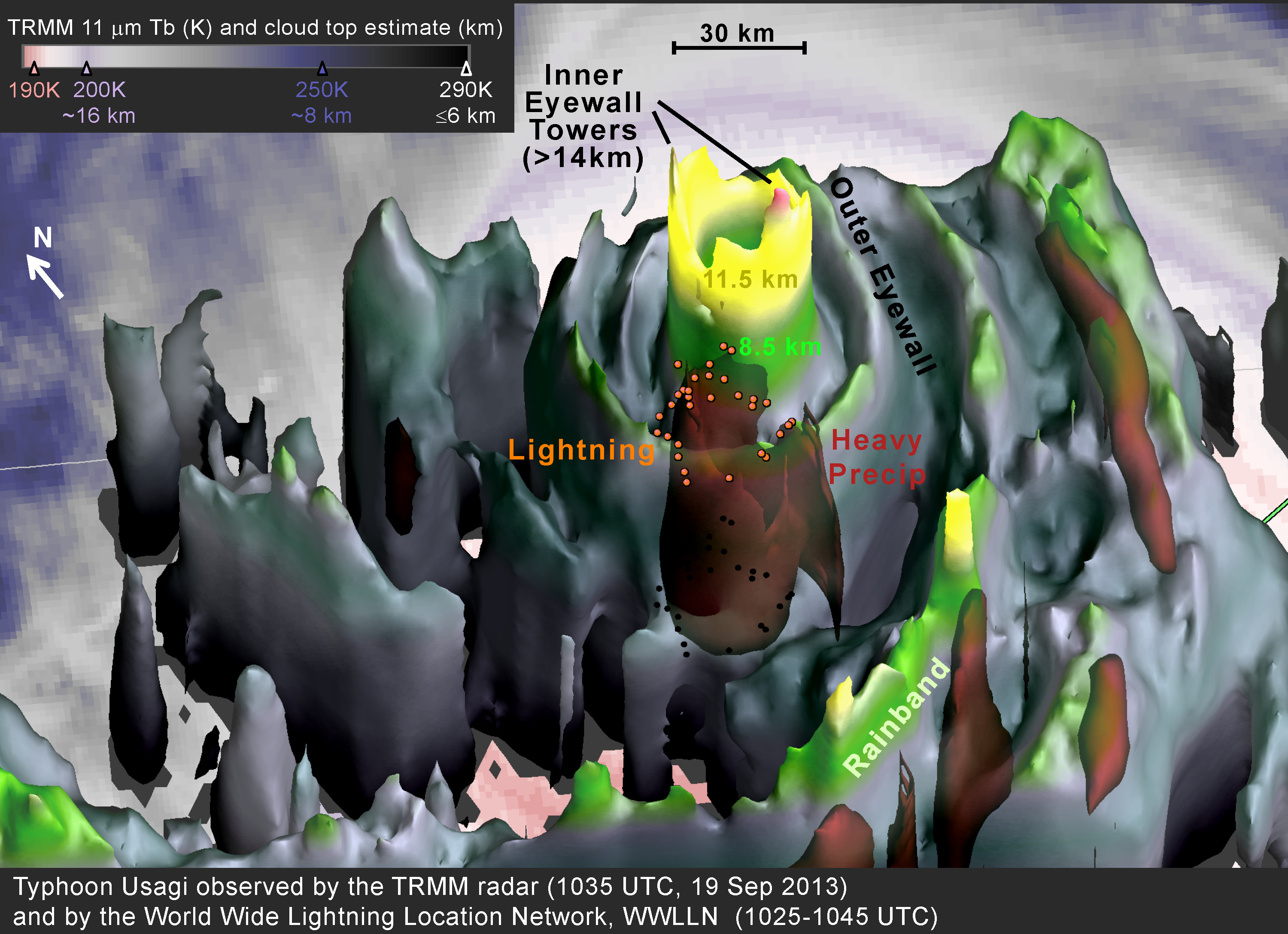
Super Typhoon Usagi and its 150 MPH winds will be the strongest weather event this year. 

The radar on the Tropical Rainfall Measuring Mission (TRMM) satellite captured an image of Supertyphoon Usagi near the end of a 24-hour period in which Usagi intensified by 65 knots. This is more than twice the commonly used 30-knot threshold for defining rapid intensification. The TRMM data was used to create a 3-D image. The data was collected at 1035 UTC/6:35 a.m. EDT on Thursday, September 19, 2013, when Usagi was at category 3 on the Saffir-Simpson hurricane intensity scale.