
Banner
Gestational Diabetes Up 36% In The Last Decade - But Black Women Are Healthiest

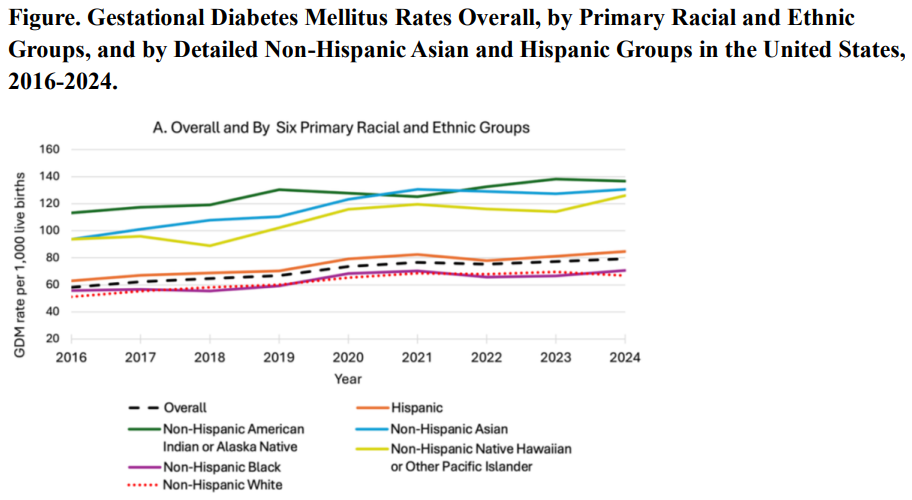
Gestational diabetes, a form of glucose intolerance during pregnancy, occurs primarily in women...

Object-Based Processing: Numbers Confuse How We Perceive Spaces

Researchers recently studied the relationship between numerical information in our vision, and...

Males Are Genetically Wired To Beg Females For Food

Bees have the reputation of being incredibly organized and spending their days making sure our...

The Scorched Cherry Twig And Other Christmas Miracles Get A Science Look

Bleeding hosts and stigmatizations are the best-known medieval miracles but less known ones, like ...

User picture.
News StaffRSS Feed of this column.

News Releases From All Over The World, Right To You... Read More »

Blogroll

Atmospheric levels of carbon monoxide (CO) in the 1950s were actually slightly higher than what we have today, according to  a first-ever study of air trapped in the deep snowpack of Greenland - results that contradict current computer model predictions that there are much higher CO concentrations over Greenland today than in 1950.

In a new paper, Vasilii Petrenko, an assistant professor of earth and environmental sciences, concluded that CO levels rose slightly from 1950 until the 1970s, then declined strongly to present-day values. This finding contradicts computer models that had calculated a 40 percent overall increase in CO levels over the same period.

The brain's structure may predict whether a person will suffer chronic lower back pain, according to researchers who used brain scans and say the results support the growing idea that the brain plays a critical role in chronic pain, a concept that may lead to changes in the way doctors treat patients.

A new citizen science project allows you to explore the open ocean from the comfort of your home. You can 'dive' hundreds of feet deep, and observe the unperturbed ocean and the myriad animals that inhabit the earth's last frontier.

The goal of the project is to enlist volunteers to classify millions of underwater images to study plankton diversity, distribution and behavior in the open ocean - even cheaper labor than post-docs. 

Young women with breast cancer often overestimate the odds that cancer will occur in their other, healthy breast, and decide to have the healthy breast surgically removed - a procedure known as a contralateral prophylactic mastectomy, the removal of a nonaffected breast in a woman with unilateral breast cancer -- despite knowing it will be unlikely to improve their chance of survival.

The survey results show a certain disconnect between what many patients know on an abstract, intellectual level -- that CPM has little impact on survival rates for most women -- and the choices they make after receiving the anxiety-inducing diagnosis of breast cancer, the authors say; better safe than sorry.

A small pilot study has found that changes in diet, exercise and stress management may result in longer telomeres, the parts of chromosomes that affect aging - the first controlled trial to show that any intervention might lengthen telomeres over time.

Telomeres are the protective caps on the ends of chromosomes that affect how quickly cells age. They are combinations of DNA and protein that protect the ends of chromosomes and help them remain stable. As they become shorter, and as their structural integrity weakens, the cells age and die quicker.

In recent years, shorter telomeres have become associated with a broad range of aging-related diseases, including many forms of cancer, stroke, vascular dementia, cardiovascular disease, obesity, osteoporosis and diabetes.

A new paper has found that vaccinating cattle against the E. coli O157 bacterium could cut the number of human cases of the disease by 85%.

The bacteria, which cause severe gastrointestinal illness and death in humans, are spread by consuming contaminated food and water, or by contact with livestock feces in the environment. Cattle are the main reservoir for the bacterium. The vaccines that are available for cattle are rarely used.

The study used veterinary, human and molecular data to examine the risks of E. coli O157 transmission from cattle to humans, and to estimate the impact of vaccinating cattle.






