Fake Banner
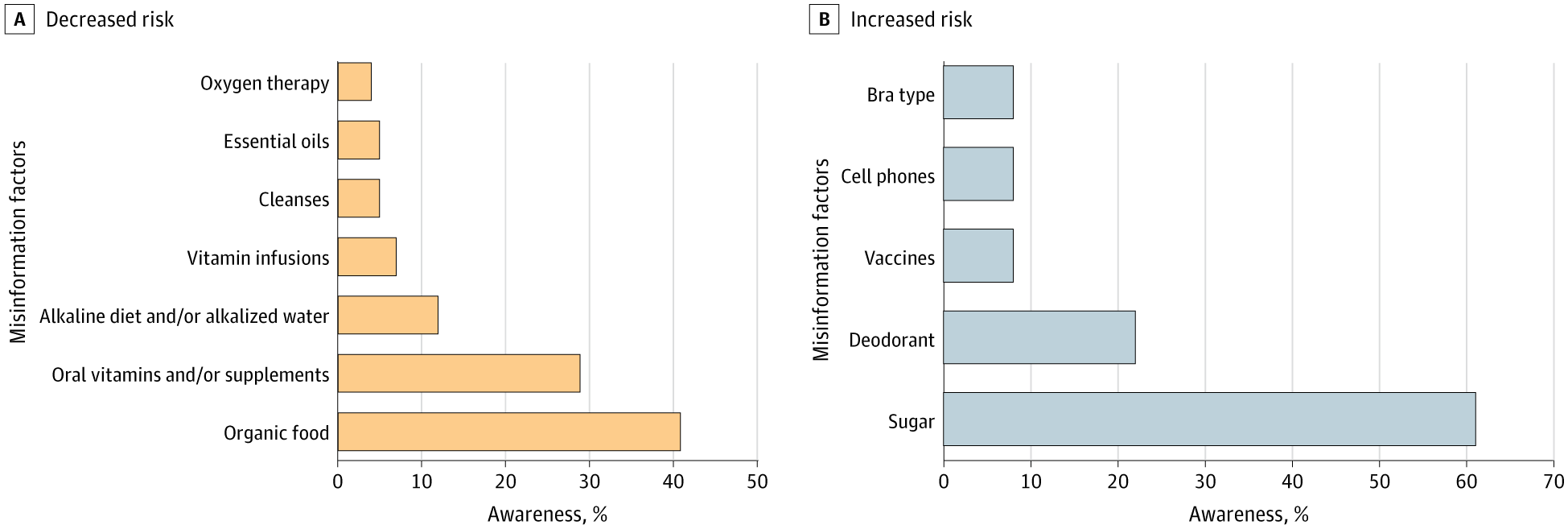
Misinformation Common Among Women With Breast Cancer

Vaccines are getting American media attention now that Republicans are engaging in misinformation...
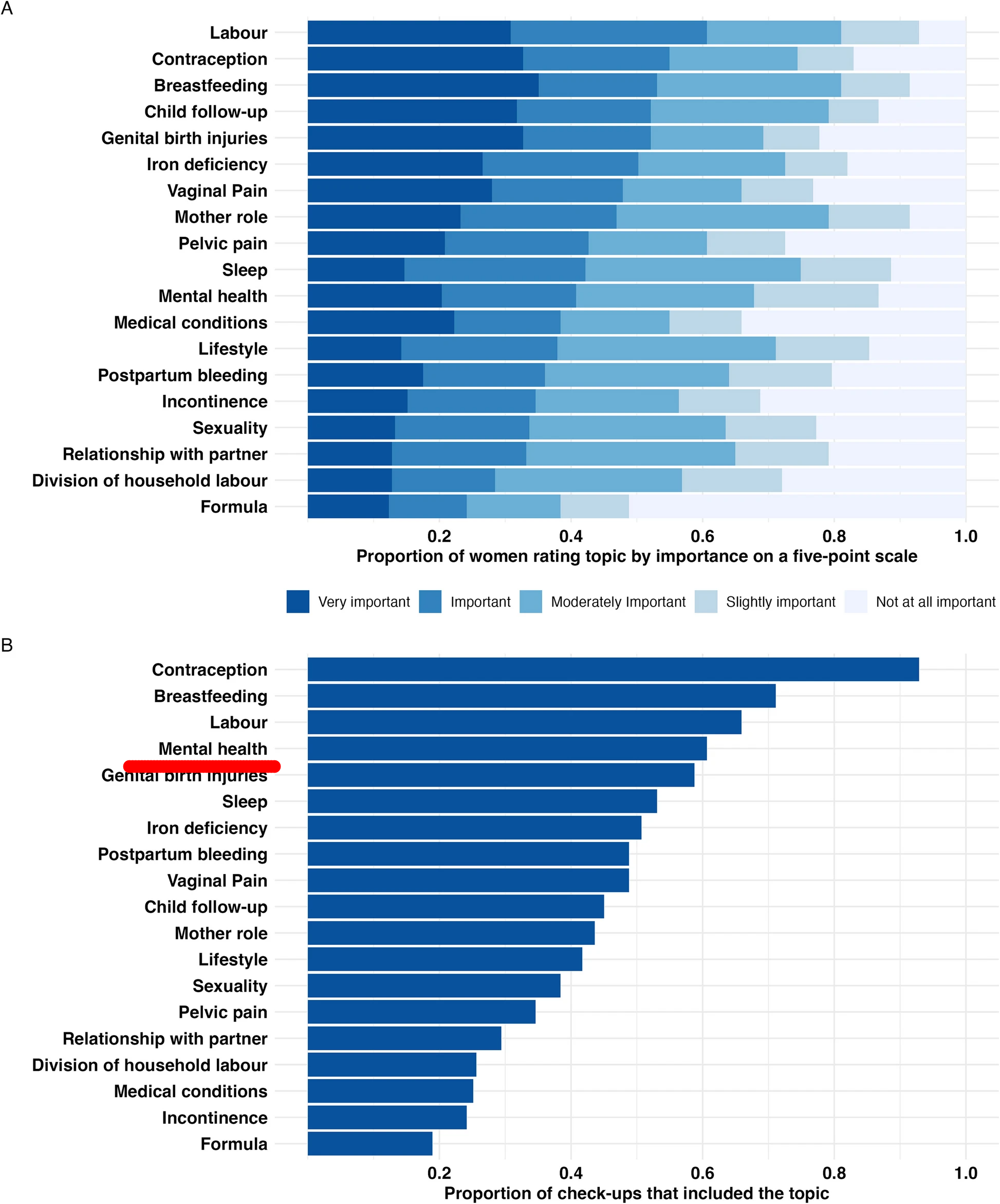
Even With Universal Health Care, Mothers Don't Go To Postnatal Check-Ups

For decades, health care costs have been a political topic in America. Advocates argue it is the...

Happy Twelfth Night - Or Divorce Day, Depending On How Your 2026 Is Going

Today is, in Christian observance, Twelfth Night, the end of The 12 Days of Christmas in that song...
Blood Pressure Medication Adherence May Not Be Cost, It May Be Annoyance At Defensive Medicine

High blood pressure is an important risk factor for developing cardiovascular disease and premature...

User picture.
picture for Tommaso Dorigopicture for Fred Phillipspicture for Hontas Farmerpicture for picture for Patrick Lockerbypicture for Ilias Tyrovolas
Hank CampbellRSS Feed of this column.

I founded Science 2.0® in 2006 and since then it has become the world's largest independent science communications site, with over 300,000,000 direct readers and reach approaching one billion. Read More »

Blogroll
Do you work in genetics? If so, you are out to ruin the brains of children, according to a claim at Alternet.org.
Crotchety old men seem to have won this argument.

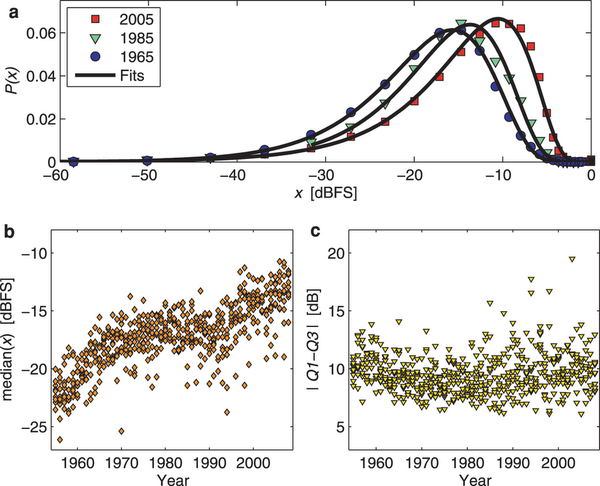
Modern pop music is too loud and does sound all the same, just like angry old types have been saying for 70 years. 

A team from Spain analyzed music from a 55 year period, using an archive known as the Million Song Dataset, and found that songs have indeed become both louder and more homogenized in terms of chords and melodies. 
Science journalism used to not have that 'science' qualifier.  It was journalism, like any other kind, but about science.

Last decade, though, science journalism lost its way, as we have discussed many times before. Too many science journalists became cheerleaders for science or, worse, advocates for aspects of controversial science topics. They were no longest trusted guides for the public and, as a result, people stopped reading them and corporate media no longer had need for something no one read. Science 2.0 and other sites filled the void nicely.
If only there were a field that examines the spiritual, therapeutic and psychological aspects of human-nature relationships, I'd abandon my graduate studies in Theoretical Phys Ed and embrace this new discipline instead.

Luckily, there is. For those of you dumb enough to have spent $80,000 for a two-year program in Environmental Journalism at Columbia but now can't (they closed it - even unlimited student loans reached a gullible student limit), Ecopsychology is here.
Fareed Zakaria of CNN writes the Global Public Square column and expressed concern recently that America was losing ground in science because of research funding and education.  
The Agriculture Department is supposed to promote agriculture, including meat, but it seems someone in there once read a flawed metric that claims it takes a gallon of gas to produce a pound of beef and recommended USDA employees go meatless to save the world.

Is there any truth to it?  No, but maybe they are counting on another four years of anti-science, advocacy-based leadership and getting a head start. In their agency newsletter, they provided tips on how to reduce environmental impact while eating in the department cafeteria - they suggested not eating meat.