The U.S. Environmental Protection Agency has found that, despite claims by some that the water has been polluted by gas drilling, extensive tests in the northeastern Pennsylvania village of Dimock found it safe.
Null results are important in science, but that doesn't mean scientists want other people to see theirs. The reason is obvious: competition. If one group has a null result and another group is working on something similar, they potentially give the competitor a shortcut by publishing a negative result.
So it goes in just about every field. The food industry has its own null results, but they can be a lot more expensive. The failure rate of new product launches is a shocking (to outsiders) 50%. It seems shocking because these are experts, armed with expensive demographic analyses and psychological information on the marketplace. They should know what people want.
Do you care about children?
If so, says Arianna Huffington, you'd better ask for more regulations that augment helicopter parenting with nanny government - and you'd better be part of the 1% that will be able to afford food when all pesticides are banned. What is her evidence? Rachel Carson started telling us 50 years ago that scientists were out to kill us all.
How will the Universe end? And when? It's been speculation in religion and philosophy since man realized he was special. Can physics offer anything new?
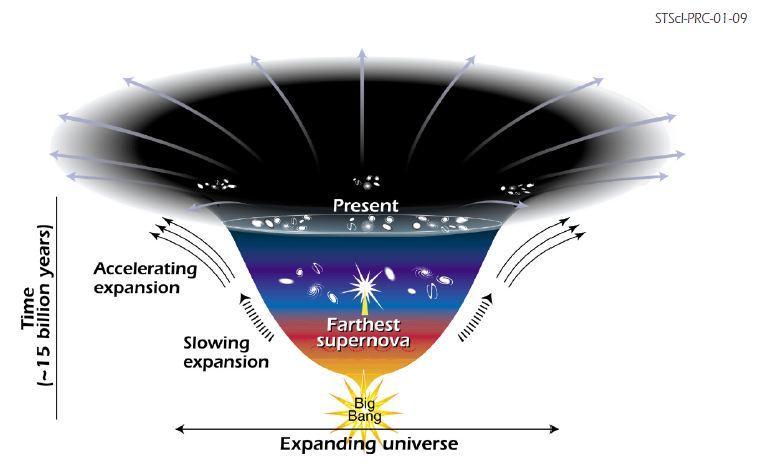
Let's go to the Dark Energy hypotheses and see. 1998 really messed us up, theoretically. Until then, we knew the Universe had to slow down - well, theoretically. But then the Hubble showed us truly distant supernovae and we got the uncomfortable reality that the Universe was actually expanding more slowly in the past than it is now. That meant gravity has not been slowing Universal expansion, it has been accelerating.
No one is asking the Department of Energy
to play venture capitalist with taxpayer money again, but basic research in
dye-sensitized solar cells may bring the cost of solar down enough to allow for mainstream acceptance - primarily because dye-sensitized solar cells (also known as DSCs) are less fragile than panels that use crystalline silicon, also a benefit of thin-film panels, and don't require a clean room.
Temperatures above 100 degrees and drought-like conditions have taken a toll on corn and soybeans in the upper Midwest for weeks but it has brought a benefit to peppers and other crops: Their flavors have become unusually concentrated, producing some of the most potent-tasting produce in years.
"Peppers really like hot weather," said Irwin Goldman, a horticulture professor at the University of Wisconsin-Madison. "When it's dry and hot outside, you'll get a higher concentration of alkaloids."


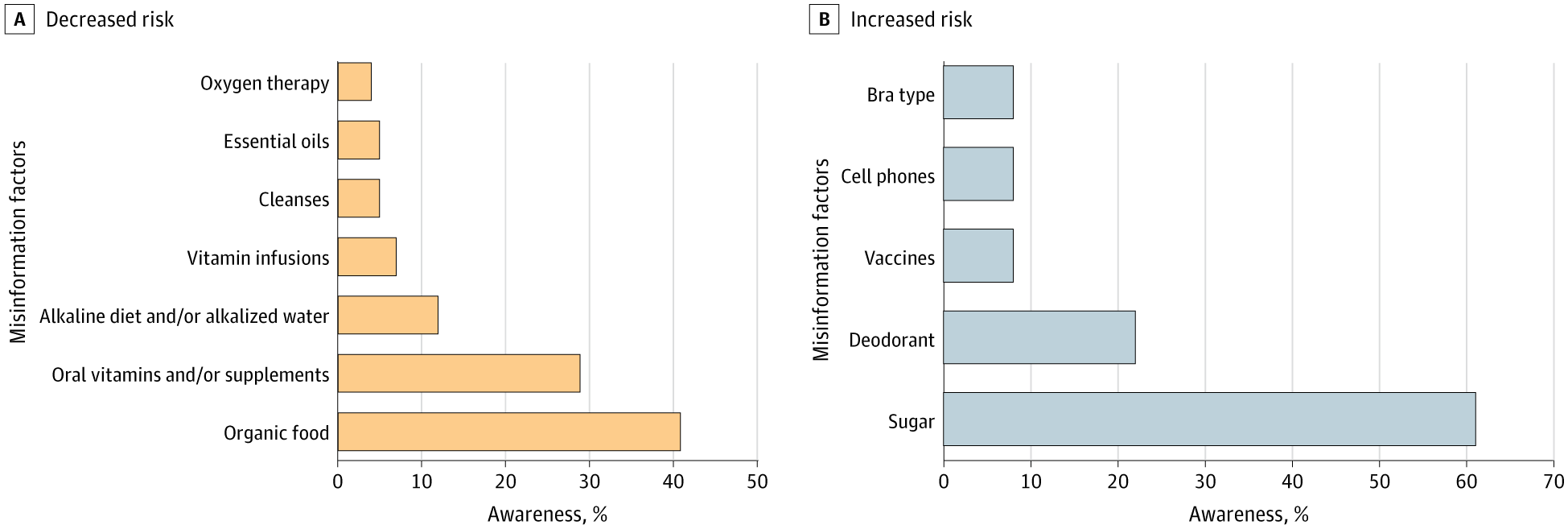 Misinformation Common Among Women With Breast Cancer
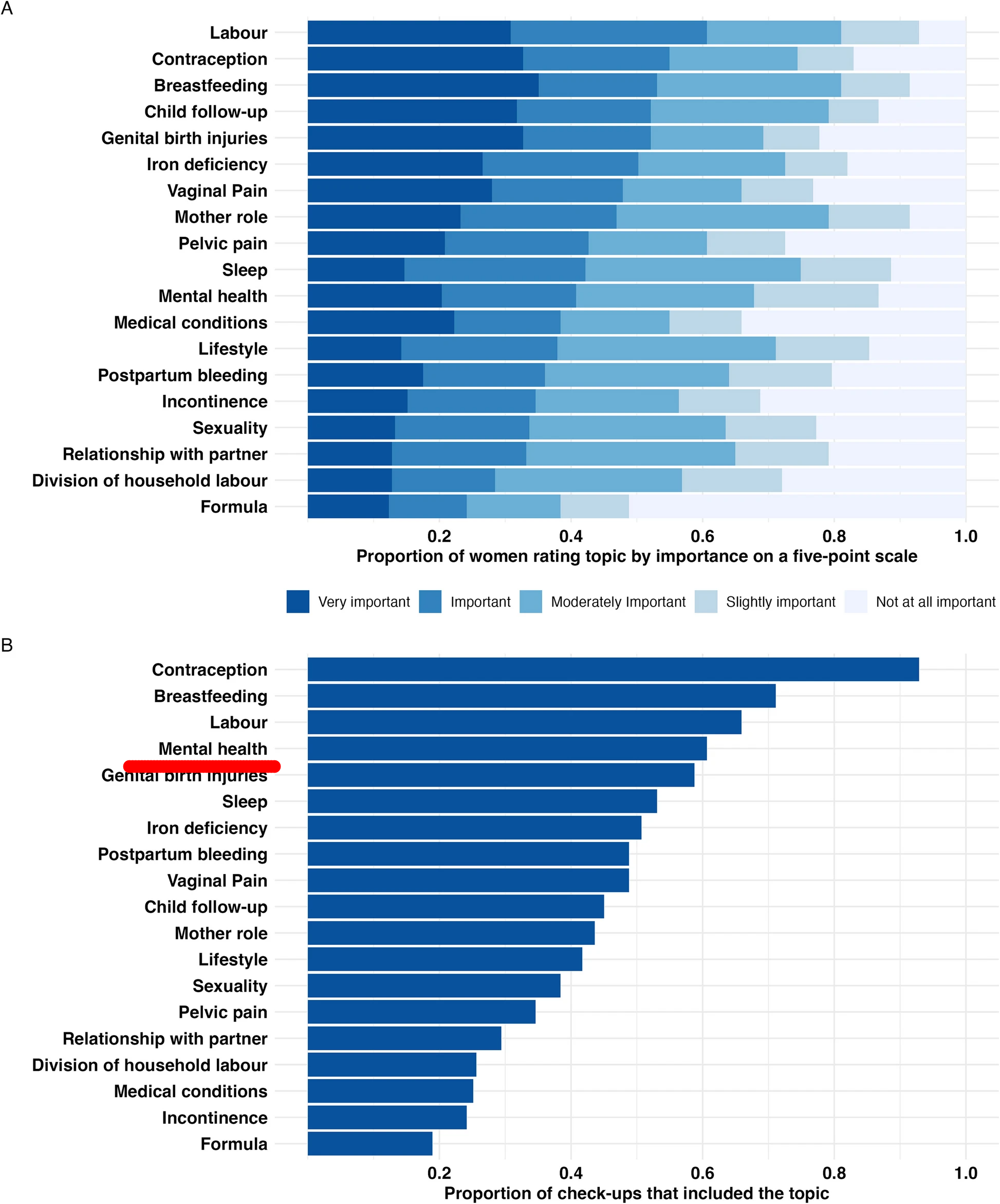 Even With Universal Health Care, Mothers Don't Go To Postnatal Check-Ups
 Happy Twelfth Night - Or Divorce Day, Depending On How Your 2026 Is Going
 Blood Pressure Medication Adherence May Not Be Cost, It May Be Annoyance At Defensive Medicine